2026 Top Packaging Equipment Trends to Watch for Your Business?
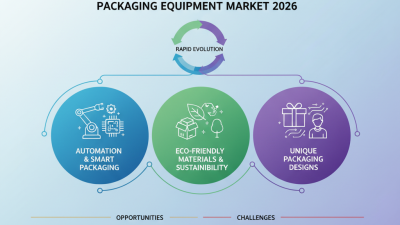
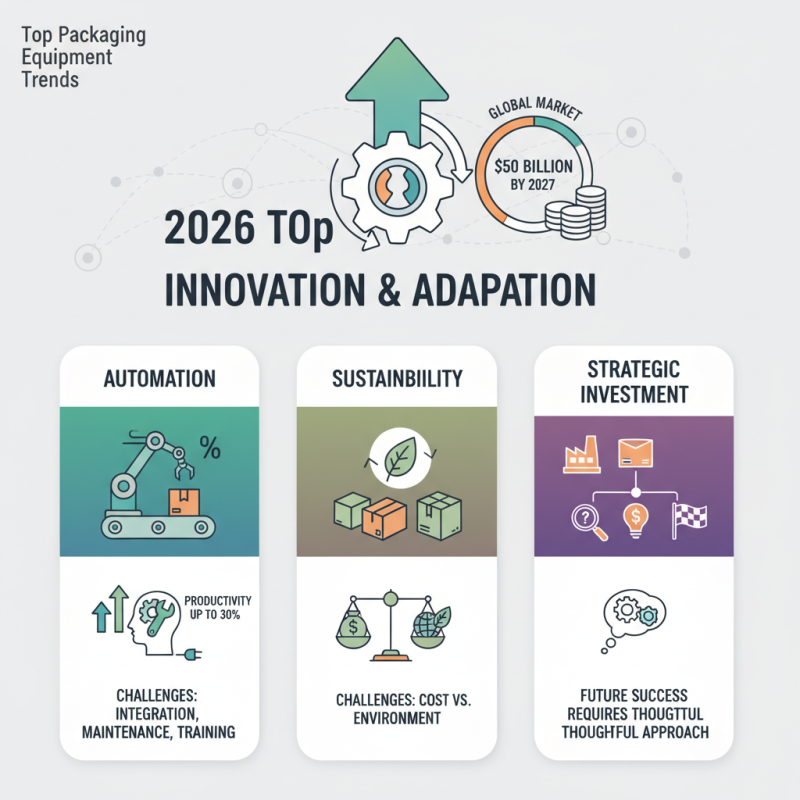
In 2026, businesses must adapt to emerging trends in packaging equipment to stay competitive. A recent report by Smithers indicates that the global packaging machinery market is expected to reach $50 billion by 2027. This growth reflects the demand for efficiency and sustainability in production processes. Industry expert John McMillan noted, “Investing in innovative packaging equipment can significantly enhance a company's operational agility.”
As consumer preferences evolve, packaging equipment must improve to meet new challenges. Automation is a key trend. According to a report by Mordor Intelligence, the automation of packaging processes can increase productivity by up to 30%. However, integrating new technology can be a double-edged sword. Many companies struggle with maintenance and workforce adaptation. The need for training and support is often overlooked.
Amid this shift, businesses should also consider sustainability. Eco-friendly packaging is not just a trend; it is now an expectation. Yet, there are limitations. Balancing cost and environmental impact can be daunting. The need for reflection on these challenges is crucial. Investing in packaging equipment is essential for future success, but it must be approached thoughtfully.
Current Innovations in Packaging Equipment for 2026
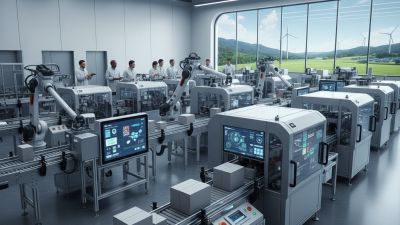
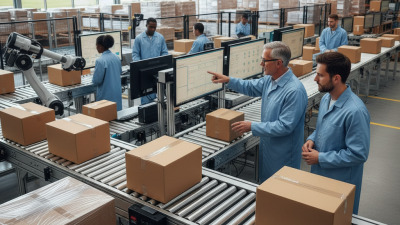
The packaging industry is evolving rapidly. Innovations in packaging equipment are shaping how businesses operate. Automation is a prominent trend. Automated machines streamline the packaging process, minimizing labor costs and enhancing efficiency. Many companies are adopting robotic solutions. These robots handle tasks that require precision.
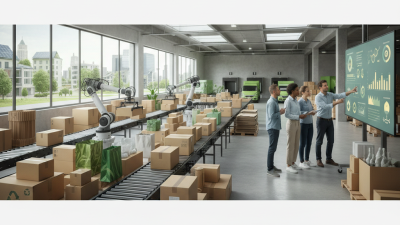
Sustainability is another key focus for 2026. Eco-friendly packaging materials are becoming essential. Equipment that supports these materials is gaining popularity. Companies are exploring biodegradable options. Additionally, smart packaging is on the rise; it integrates technology to improve user experience and reduce waste. However, adopting new technologies can be a challenge. Many businesses struggle to keep pace with these innovations.
Flexibility in packaging lines is crucial. Equipment that can adapt to various products is in demand. Companies need to adjust quickly to market changes. But not every business can invest in the latest technology. This gap can hinder growth. Analyzing these trends can help businesses stay competitive. Adapting to change is an ongoing challenge.
Sustainable Packaging Solutions Gaining Traction in the Industry
Sustainable packaging solutions are becoming essential in today's retail landscape. Businesses are exploring eco-friendly materials like bioplastics and recycled paper. These materials reduce waste and lessen environmental impact. Many companies are also focusing on reducing excess packaging. This trend encourages creativity in design and function.
However, the shift towards sustainability isn’t flawless. Some businesses struggle to find the right balance between cost and sustainability. Options like biodegradable materials may be pricier than conventional packaging. There can be a lack of understanding among consumers regarding these new solutions. Brands need to educate their audience about the benefits.
Implementing sustainable packaging requires genuine commitment. It can involve trial and error. Companies might face supply chain issues when sourcing eco-friendly materials. Finding reliable suppliers is critical. The journey involves constant learning. As businesses evolve, so too will their packaging strategies.
2026 Top Packaging Equipment Trends to Watch for Your Business
| Trend |
Description |
Impact on Industry |
Sustainability Score (1-10) |
| Smart Packaging Technology |
Integration of IoT to enhance tracking and ensure product quality. |
Improves supply chain efficiency and reduces waste. |
7 |
| Biodegradable Materials |
Materials that decompose naturally to reduce environmental impact. |
Promotes eco-friendliness and meets consumer demand for sustainable options. |
9 |
| Automated Packaging Solutions |
Robotics and machines designed to streamline packaging processes. |
Increases productivity and reduces labor costs. |
5 |
| Recyclable Packaging Innovations |
New designs and materials aimed at maximizing recycling. |
Supports circular economy initiatives and reduces landfill waste. |
8 |
| Minimalist Packaging |
Simplified designs that use fewer materials while maintaining functionality. |
Lowers production costs and appeals to environmentally conscious consumers. |
6 |
Automation and Robotics: The Future of Packaging Operations
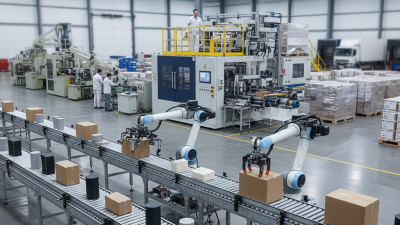
Automation and robotics are transforming packaging operations like never before. These technologies improve efficiency and reduce human error. With automated systems, packaging lines can operate faster and with great precision. For instance, robotic arms can handle delicate products without damaging them. Such advancements also mean fewer injuries for workers.
However, transitioning to automated solutions is not without challenges. Businesses may face high initial costs and require training for staff. The integration of these systems can be complex. A thorough understanding of the existing workflows is necessary before implementation. Companies must assess whether automation suits their operational goals.
The future of packaging will likely see more innovative robotic solutions. Smart machines could adapt to different products seamlessly. They might use AI to predict maintenance needs, reducing downtime. While the path to automation is promising, careful planning is key. Businesses will need to weigh efficiency against potential disruptions.
2026 Top Packaging Equipment Trends to Watch
Emerging Technologies Transforming Packaging Equipment Design
Emerging technologies are reshaping packaging equipment design in 2026. Automation plays a significant role in enhancing efficiency. Reports show that automated packaging systems can boost productivity by up to 30%. These systems reduce labor costs and minimize human error. Businesses are increasingly investing in robotics for tasks like packing and palletizing.
Meanwhile, smart packaging technology is gaining traction. Sensors and IoT devices enable real-time monitoring. This approach enhances product safety and freshness, which is crucial for the food industry. According to market research, the smart packaging sector is expected to grow by 20% annually. However, integrating these technologies poses challenges. Many companies struggle with the initial investment and training.
Sustainability remains a key focus in packaging design. Eco-friendly materials and processes are essential to meet consumer demand. A recent study indicates that 75% of consumers prefer brands that prioritize sustainable practices. However, transitioning to greener solutions isn't always straightforward. Businesses often grapple with finding suitable replacements for traditional materials. They must also rethink their manufacturing processes to align with environmental goals.
Trends in Consumer Preferences Shaping Packaging Strategies
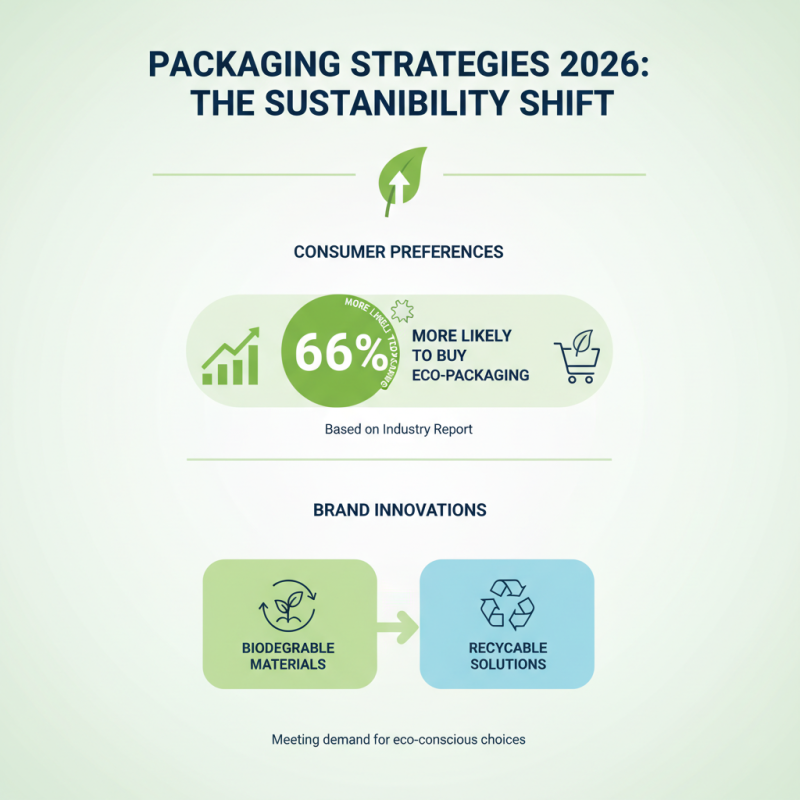
In 2026, consumer preferences are fundamentally reshaping packaging strategies. According to a recent industry report, 66% of consumers are more likely to purchase products with eco-friendly packaging. This trend highlights a significant shift towards sustainability, with many brands exploring biodegradable and recyclable materials. They aim to meet growing demands for eco-conscious solutions.
Moreover, convenience is taking center stage. A survey indicated that 57% of consumers prefer packaging that is easy to open and resealable. This preference influences design choices significantly. Brands are testing various designs to balance accessibility with sustainability. However, not all solutions are perfect. For instance, while some materials are recyclable, they may not perform well during shipping, leading to damaged products.
Personalization is another emerging trend. Nearly 54% of consumers express interest in tailored packaging experiences. Custom labels and unique designs can create a personal connection with shoppers. However, the challenge lies in scaling these options. Smaller businesses often struggle to implement personalized solutions without incurring high costs. Overall, these shifting preferences present both opportunities and obstacles for packaging strategies in the coming years.