2026 Top Environmentally Friendly Packaging Solutions?
The 2026 Top Environmentally Friendly Packaging Solutions will focus on measurable impact, not attractive green claims. Brands now examine material origins, manufacturing energy, transport weight, product protection, and end-of-life recovery. The strongest options may include recycled paperboard, molded fiber, reusable containers, refill systems, and recyclable mono-material films. Each solution must fit the product and its supply chain.
Ellen MacArthur, founder of the Ellen MacArthur Foundation, states, “A circular economy is based on the principles of designing out waste and pollution, keeping products and materials in use, and regenerating natural systems.” Her principle gives this discussion a practical direction. Packaging should protect food, cosmetics, medicine, and consumer goods without creating avoidable waste. That sounds simple. It is not.
A paper pouch can appear sustainable while using plastic barriers that complicate recycling. Compostable packaging can fail when local composting facilities cannot process it. Recycled content may also increase resource efficiency, but it cannot solve every environmental concern. These limitations deserve honest attention. This guide will compare environmentally friendly packaging solutions through durability, material transparency, verified certifications, recycling access, and lifecycle evidence. It will also consider real warehouse details, such as crushed corners, humidity, leaking products, and higher shipping volumes. Experience matters here. A package that fails during delivery may create more waste than it prevents. Reliable decisions require supplier documentation, independent testing, and region-specific disposal guidance. No package is perfectly green. The better choice is usually the one that performs well, uses fewer resources, and supports a realistic recovery system.
2026 Packaging Baseline: Plastics Represent About 40% of Global Demand
In 2026, environmentally friendly packaging starts with an uncomfortable baseline. Plastics represent about 40% of global demand, according to the stated packaging baseline. That share is too large to ignore. It also explains why replacement claims need careful measurement. Packaging teams should examine material weight, recycled content, transport distance, and end-of-life access. A lighter pack can reduce shipping emissions, yet it may perform poorly on a sorting line.
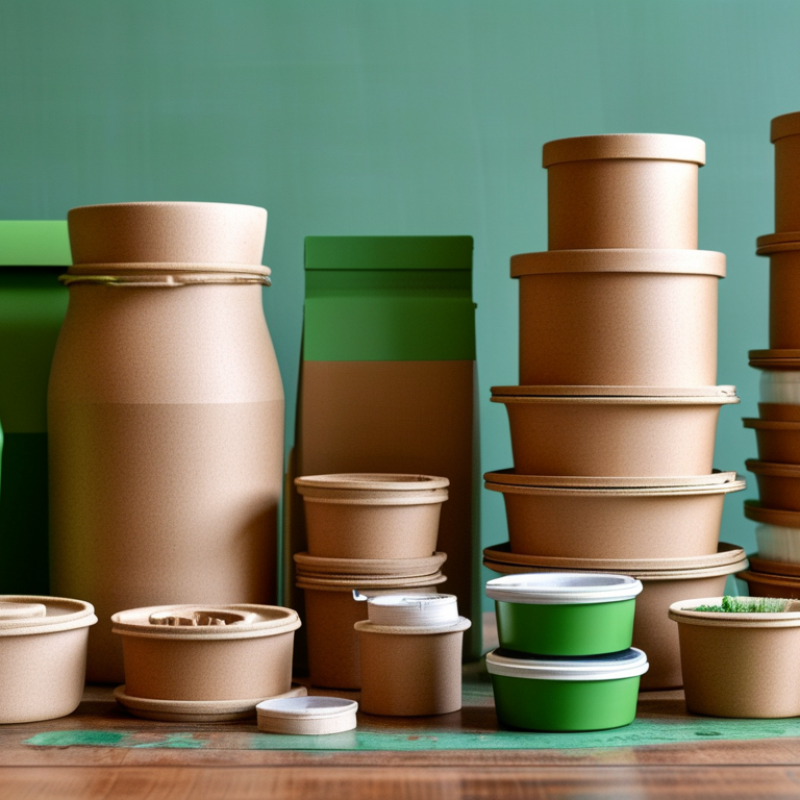
Paper-based formats can work well for dry goods when moisture barriers remain modest. Not automatically sustainable. Coatings, adhesives, and contamination may limit recovery. Reusable containers may reduce waste in closed delivery systems with reliable collection. Without those return routes, they can add transport, washing, and loss. Compostable materials require suitable industrial facilities. Many households do not have them nearby.
A credible 2026 plan uses a packaging audit before selecting a material. Measure grams per unit, protection failures, recovery rates, and actual customer behavior. Small changes matter. Remove unnecessary layers, increase recycled feedstock where quality allows, and design parts for simpler separation. Still, the data will be imperfect. Local waste systems differ, and published averages can hide those gaps. That uncertainty deserves disclosure, not polished marketing. Some plastic applications may remain practical, but their quantity and recovery pathway should be defensible.
Recycled Plastics: Meeting the EU’s 30% Bottle-Content Target by 2030
2026 Top Environmentally Friendly Packaging Solutions?
Recycled plastics are becoming central to Europe’s packaging strategy. The EU requires plastic beverage bottles to contain 30% recycled material by 2030. The target applies across bottle formats, not only clear PET containers. A 2025 benchmark gives producers limited time to redesign procurement, testing, and manufacturing systems.
Eurostat reported that the EU plastic packaging recycling rate reached 41.1% in 2022. That figure still hides uneven collection and sorting performance between countries. The European Environment Agency also stresses that recycling capacity must improve alongside packaging prevention. Recycled resin is not automatically circular.
Bottle-to-bottle recycling needs clean, traceable feedstock. A used bottle may arrive with labels, caps, food residue, or another polymer. These details affect yield and food-contact quality. The OECD estimated that only 9% of global plastic waste was recycled in 2019. Europe therefore needs stronger collection systems, not just more recycled-content claims.
In practical production, packaging teams can begin with lightweight designs and mono-material structures. They should verify recycled content through documented mass-balance or physical-traceability methods. Independent audits improve credibility.
However, the 30% target may encourage competition for limited high-quality recyclate. That risk deserves more attention. Availability, cost, and quality will not improve evenly. Procurement plans should include local supply data, recycled-content testing, and realistic contingency volumes.
Reusable Packaging: Reaching the EU’s 40% Transport-Packaging Target by 2030
2026 Top Environmentally Friendly Packaging Solutions?
Reusable packaging is moving from a niche practice toward European transport infrastructure. The EU’s Packaging and Packaging Waste Regulation sets a 40% reuse target for transport packaging by 2030, according to the European Parliament’s 2024 briefing. This includes pallets, crates, trays, and containers used between businesses.
The pressure is measurable. Eurostat reported 186.5 kilograms of packaging waste per EU resident in 2022. Much of it still travels only once.
A practical reusable system needs more than durable materials. It requires standard sizes, return routes, washing capacity, and reliable tracking. A pallet collected from a distribution site should have a clear next destination. Otherwise, empty transport creates unnecessary emissions. The European Commission’s 2024 policy analysis links reuse with waste prevention, but performance depends heavily on transport distance and return rates.
Reuse is not automatically greener.
That point deserves attention. A heavy container may outperform a disposable one after several cycles, yet fail when poorly managed. Operators should measure trips per unit, damage rates, cleaning energy, and empty-mile percentages.
The Ellen MacArthur Foundation has repeatedly identified reuse models as a major circular-economy opportunity, but implementation remains uneven.
Better design helps. Better data matters more.
In 2026, companies should test closed-loop transport lanes before scaling nationwide. Small pilots can expose uncomfortable problems, including missing assets, slow returns, and inconsistent hygiene controls.
Circularity Metrics: Evaluating Carbon, LCA, and the EU’s 65% Recycling Target
2026 Top Environmentally Friendly Packaging Solutions?
Sustainable packaging needs measurable evidence, not attractive claims. Carbon accounting should report kilograms of CO2e per packaged product. Material weight alone can mislead. A lighter pouch may create more sorting problems than a heavier paper format. Small details matter.
Life cycle assessment, or LCA, compares raw materials, manufacturing, transport, use, and end-of-life impacts. Reliable assessments state their assumptions clearly. They should also test realistic disposal routes, including collection, sorting, and recycling capacity. A package may be technically recyclable, yet unavailable to most households. That gap weakens its circularity score.
The European Union’s 65% packaging recycling target gives companies a practical benchmark. Meeting it requires more than adding recycled content. Teams should track recovery rates, recycled input, virgin material reduction, and carbon intensity together. A dashboard can show these figures by packaging type and market. However, the numbers may conflict. Higher recycled content can sometimes increase transport emissions or reduce product protection. This is where professional judgment matters. Field audits, supplier records, and independent LCA reviews improve reliability. Still, no score is perfect. Data may be incomplete, especially for local recycling systems. That uncertainty should be disclosed, not hidden. A useful 2026 solution is therefore not simply compostable, recyclable, or lightweight. It is a format supported by verified data, workable infrastructure, and repeated performance checks. Even then, targets may need revision.