What is Bakery Packaging Equipment and Its Importance?
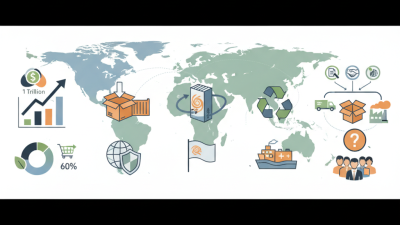
Bakery packaging equipment plays a crucial role in the food industry. The global bakery market is projected to reach over $500 billion by 2025, emphasizing the need for efficient packaging solutions. Effective packaging not only preserves the freshness of baked goods but also enhances brand visibility.
Inadequate packaging can lead to product damage and waste, highlighting the importance of investing in quality bakery packaging equipment. According to industry reports, approximately 30% of baked products are often discarded due to poor packaging. This statistic underlines the necessity of choosing the right equipment.
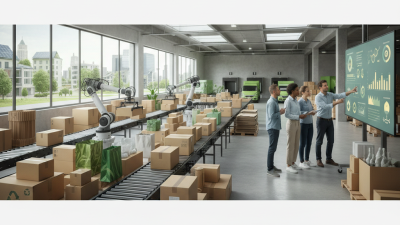
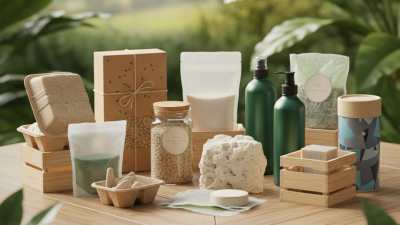
Moreover, sustainability is becoming increasingly important in bakery packaging. Many consumers prefer eco-friendly options. The demand for natural and recyclable packaging materials has risen significantly. Businesses must adapt to these changing preferences while ensuring product integrity. Investing in advanced bakery packaging equipment not only meets these demands but also optimizes operational efficiency.
What is Bakery Packaging Equipment? A Comprehensive Overview
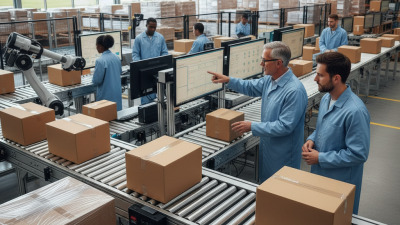
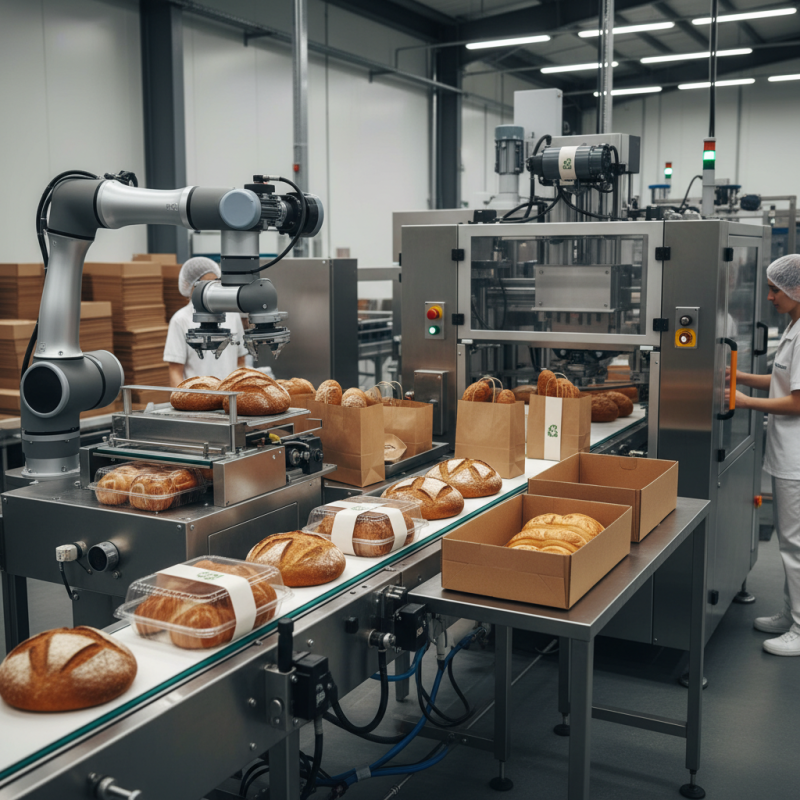
Bakery packaging equipment plays a crucial role in the food industry. These machines ensure that baked goods maintain their freshness and quality during transport. Effective packaging prevents spoilage and extends shelf life. Various types of equipment exist, including bagging machines, shrink wrappers, and vacuum sealers. Each serves a unique function in preserving the product.
Understanding the nuances of bakery packaging is essential. For instance, the choice of material affects not only aesthetics but also functionality. Some materials provide a better barrier against moisture and oxygen. However, they can be costlier or less environmentally friendly. The challenge lies in striking a balance between cost, appearance, and sustainability. Equipment efficiency is key. An effective system should minimize waste while maximizing output.
However, integrating these technologies can be daunting. Many bakeries face hurdles in training staff on new machinery. There’s a learning curve involved, which can lead to initial inefficiencies. To advance, bakeries must embrace innovation and be willing to adapt. Understanding these factors is vital for ensuring that bakery products are well-protected and appealing to consumers.
Bakery Packaging Equipment Usage by Type
Types of Bakery Packaging Equipment: A Breakdown of Common Machines
Bakery packaging equipment plays a crucial role in the food industry. These machines ensure products are sealed properly for freshness and shelf life. With the rise of online sales, efficient packaging has become essential. In fact, a recent report showed that 25% of baked goods spoil due to improper packaging.
Common types of bakery packaging equipment include vacuum sealers, heat sealers, and automated packaging systems. Vacuum sealers remove air to preserve freshness. Heat sealers provide a tight seal for products like breads and pastries. Automated systems optimize production by speeding up packaging processes.
Tips: Regular maintenance is important. It prevents breakdowns that can lead to production delays. Always check the seals for integrity. Packaging failures can cost businesses both time and money. Training staff on using this equipment helps avoid errors and ensures consistency. Investing in quality machinery can pay off in the long run, as it reduces waste and increases customer satisfaction.
Key Benefits of Bakery Packaging Equipment in the Production Process
Bakery packaging equipment plays a critical role in the baking industry. Its importance goes beyond aesthetics; it affects product quality, shelf life, and consumer satisfaction. According to industry reports, about 30% of baked goods waste is due to improper packaging. Investing in the right equipment can significantly reduce this waste.
Key benefits of bakery packaging equipment are enhanced freshness and protection. Properly sealed packages prevent moisture loss, keeping products soft and flavorful. Flexible packaging solutions can extend shelf life by months. In a market where freshness drives consumer choices, this is crucial. A recent study showed that 73% of consumers prioritize fresh products.
Tips: Always assess your specific packaging needs. Consider your product’s shelf life. Additionally, invest in equipment that offers versatility. It’s worth noting that neglecting proper packaging can lead to lost sales. Many bakeries face challenges meeting consumer demands due to subpar packaging solutions. A careful approach can lead to improved product appeal and increased sales.
Market Trends: Growth and Innovations in Bakery Packaging Solutions
In recent years, the bakery packaging equipment market has witnessed significant growth. According to a report by MarketsandMarkets, the global bakery packaging market is expected to reach $20.2 billion by 2025, growing at a CAGR of 3.8%. This increase is driven by the rising demand for convenient and ready-to-eat food products. As consumer behaviors shift, packaged baked goods are becoming preferred choices.
Innovations in bakery packaging are crucial in meeting these changing demands. Sustainable materials are gaining traction. Many companies are exploring biodegradable and recyclable options. This shift not only addresses environmental concerns but also attracts eco-conscious consumers. A study from the Institute of Packaging Professionals highlighted that 72% of consumers are more likely to purchase products with sustainable packaging.
Moreover, advancements in technology have led to improved packaging solutions. Efficient sealing machines and vacuum packaging are now commonplace. These methods extend shelf life and retain product freshness. However, the rapid pace of innovation creates pressure on companies to adapt. Some may struggle with the high costs of new equipment and technologies. This situation warrants careful reassessment of production strategies and investment plans.
Impact of Effective Packaging on Shelf Life and Consumer Appeal in Bakeries
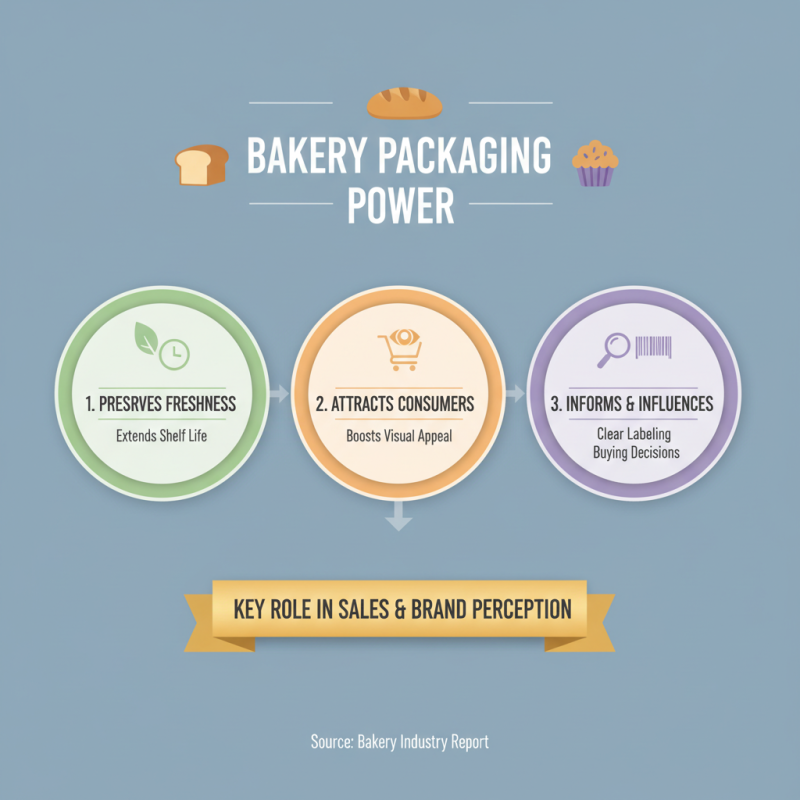
Effective packaging plays a critical role in the bakery industry. It not only preserves freshness but also enhances visual appeal. Well-designed packaging attracts consumers and influences their purchasing decisions. Eye-catching designs and clear labeling can make a significant difference on store shelves.
Moreover, packaging protects baked goods from environmental factors. It reduces moisture loss and prevents contamination. Proper packaging can extend the shelf life of bread, pastries, and cakes. However, many bakeries struggle with finding the right balance between aesthetics and functionality. Some might focus too much on looks, neglecting preservation aspects. Others may use overly protective materials that detract from the product's appeal.
Consider the materials used in bakery packaging. Subpar options can lead to stale products quickly. Customers expect freshness and quality, but not all packaging meets these standards. Reflecting on these factors can lead to better choices. Innovating in packaging can improve customer satisfaction and reduce waste. Additionally, feedback from consumers can guide better packaging strategies. Balancing effectiveness and attractiveness remains a challenge for many bakeries.