Choosing the right bakery packaging equipment can shape product quality, labor costs, and export readiness. A warm loaf may leave the oven perfectly, yet poor packaging can flatten its crust, trap moisture, or shorten shelf life. For global buyers, the decision involves more than machine speed. It also includes cleaning access, changeover time, energy use, spare parts, operator training, and after-sales support.
Jorge Izquierdo, Vice President of Market Development at PMMI, has noted, “Automation is no longer a luxury; it is becoming a necessity for manufacturers.” That observation matters in modern bakeries, where demand changes quickly and labor availability remains uncertain. Still, automation alone does not guarantee a good investment. A fast machine with difficult controls may create costly downtime. We should admit this uncomfortable point.
The best bakery packaging equipment depends on the product, package format, and production environment. Bread, pastries, cookies, and frozen dough often require different handling methods. Horizontal flow wrappers, vertical baggers, carton erectors, tray sealers, and case packers each solve different problems. Film tension, seal temperature, and package alignment can affect every box leaving the line.
This guide examines seven practical equipment categories for international buyers. Each option is considered through performance, flexibility, hygiene, maintenance, and total ownership cost. Some recommendations may appear obvious. They are not always obvious on a factory floor. A machine that looks impressive at a trade show may perform differently beside a flour-dusted conveyor. Reliable selection begins with realistic production data, supplier verification, and a clear understanding of future growth.
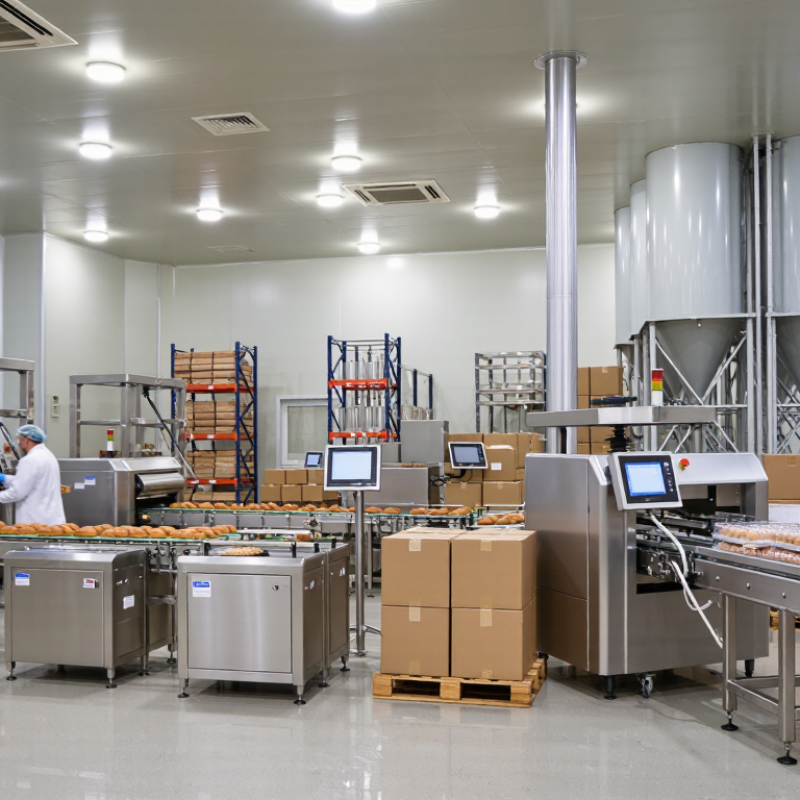
A practical ranking should measure more than purchase price. It should combine OEE, throughput, changeover time, and 2024 market signals. The strongest seven categories are flow wrappers, horizontal baggers, vertical form-fill-seal machines, tray sealers, cartoners, case packers, and integrated checkweighing systems. Flow wrappers rank highly for bread, buns, and snack cakes. They can deliver fast cycles while protecting soft products from crushing.
OEE changes the decision. Common OEE guidance places average factories near 60%, while 85% represents world-class performance. That gap often reflects small stops, film waste, cleaning, and slow format changes.
PMMI’s 2024 State of the Industry data reported U.S. packaging machinery shipments above 10 billion dollars in 2023, despite economic pressure. This supports continued investment in automation, but the ranking is not perfect.
A high-speed machine may lose value when operators need 45 minutes to change formats. Throughput must be measured with real products, not brochure targets.
Tips: Request a 24-hour production trial. Record good packs per minute, rejected packs, film consumption, and recovery time after jams. Ask for OEE data from similar bakery applications. Also check local service coverage, spare-part lead times, sanitation access, and electrical compatibility. Global buyers sometimes overlook these details. That mistake becomes expensive.
Use ISO 22400-style performance definitions so suppliers report availability, performance, and quality consistently. (Sources: PMMI, 2024 State of the Industry; ISO 22400; OEE Foundation benchmark guidance.)
For global bakery buyers, the best packaging equipment depends on product shape, film type, labor capacity, and expected output. Flow wrappers suit bread rolls, cookies, pastries, and individually portioned cakes. They create neat pillow packs with controlled sealing pressure and consistent film tension. Many modern systems run from 30 to 150 packs per minute, depending on product spacing and pack dimensions.
VFFS machines form bags vertically from a continuous film roll. They work well for cookies, bread pieces, dry pastries, and products that can be gently dropped or fed. Servo-driven filling systems can improve accuracy, while adjustable sealing jaws support different bag sizes. A real production check should include crumbs, sticky fillings, and temperature changes. These details often affect seal quality more than brochure specifications.
Other useful equipment includes tray sealers, carton erectors, case packers, checkweighers, and metal detection systems. A tray sealer can protect delicate pastries, while a case packer reduces repetitive handling during shipping. Checkweighers help identify underfilled packs before dispatch. However, a claimed 150 packs per minute may not reflect practical output. Changeovers, cleaning, rejected packs, and operator adjustments reduce the final rate. Trial runs with actual bakery products are essential. No machine fits every bakery.
For global bakery buyers, the seven most useful packaging machines are tray sealers, MAP gas mixers, vacuum pumps, conveyors, date coders, checkweighers, and metal detectors. Tray sealers and MAP systems deserve close attention because they can handle roughly 20–80 trays per minute, depending on product size and line design. A tight seal protects cakes, pastries, and filled rolls from moisture loss. Modified atmosphere packaging can also slow oxidation and microbial growth when recipes, films, and storage temperatures are properly controlled.
Shelf life is not automatic. It depends on water activity, hygiene, gas ratios, seal quality, and distribution conditions. Food-contact materials should meet the destination market’s requirements. Buyers should request documented test results, operating limits, and maintenance procedures. A machine may achieve 80 trays per minute in a factory test, but a fragile cream pastry could reduce the practical speed. That difference matters.
Tips:
Test real products, not empty trays. Check seal strength after chilling, stacking, and transport simulation. Ask suppliers to measure oxygen levels inside sealed packs. Confirm whether operators can change formats without long downtime. A simple gas leak test can reveal weak seals early.
In my view, many projects overestimate speed and underestimate cleaning time. This is an uncomfortable but useful correction. Choose equipment that matches daily production, staff skills, approved materials, and verified shelf-life data rather than impressive catalog numbers.
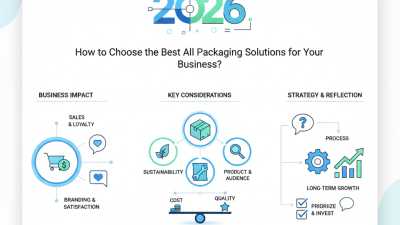
7 Best Bakery Packaging Equipment for Global Buyers?
For export bakery lines, cartoners, case packers, and labelers deserve close attention. A cartoner forms cartons, inserts products, and closes each pack with controlled pressure. At 30–60 cases per minute, even small timing errors can create jams. Product shape matters. Soft pastries may need gentle guides, while firm biscuits tolerate faster handling. Quick-change tooling is valuable when carton sizes vary. Test it twice.
A case packer groups sealed cartons into shipping cases with consistent orientation. It should match the cartoner’s actual output, not only its advertised speed. Case dimensions, packing patterns, and corrugated board quality affect performance. Operators also need clear access for cleaning and adjustment. In export projects, confirm voltage, compressed-air requirements, guarding standards, and spare-part availability before purchase. These details often decide whether installation runs smoothly.
Labelers complete the traceability chain. They must apply labels squarely on cartons or cases, despite dust, vibration, and changing speeds. Verify barcode readability using the destination market’s requirements and your logistics software. Ask suppliers for factory acceptance tests with real bakery products and packaging materials. Throughput claims can be optimistic. A practical line may achieve 30–60 cases per minute only after careful setup, training, and maintenance. Leave room for seasonal product changes. That is where many packaging plans become less certain.
| No. | Equipment Type | Typical Bakery Application | Typical Throughput | Compatible Package Formats | Changeover and Automation Features | Export-Line Considerations |
|---|---|---|---|---|---|---|
| 1 | Horizontal Cartoner | Automatically inserts wrapped bread, cookies, pastries, or sachets into pre-glued or tuck-end cartons. | 30–60 cartons/min | Paperboard cartons, tuck-end cartons, sleeve cartons, and multi-pack cartons. | Servo-driven carton feeding, product counting, carton presence detection, glue or tuck closure, and tool-free format adjustments on selected stations. | Suitable for 30–60 case/min lines when multiple cartons are packed per shipping case. Confirm carton-board compatibility and electrical standards before shipment. |
| 2 | Wrap-Around Case Packer | Forms corrugated cases around sealed bakery packs, reducing the need for pre-formed shipping cartons. | 30–60 cases/min | Flow-wrapped products, carton multipacks, trays, and bundled bakery products. | Automatic blank magazine, product collation, hot-melt adhesive sealing, servo-controlled grouping, and reject handling for incomplete cases. | Works well with export cartons because the wrap-around format provides good stacking strength. Specify case dimensions, corrugated board grade, and adhesive requirements. |
| 3 | Robotic Case Packer | Picks and places flexible bakery packs, cartons, or trays into shipping cases using programmable robotic motion. | 30–60 cases/min | Regular cases, display-ready cases, trays, cartons, pillow bags, and mixed product patterns. | Vision-guided product handling, recipe-based pattern changes, robotic pick-and-place, case detection, and automatic fault recovery. | Recommended for lines with several pack patterns or frequent product changes. Check robot guarding, spare-parts availability, and local machine-safety requirements. |
| 4 | Pressure-Sensitive Labeler | Applies front, back, wrap-around, or tamper-evident labels to bakery bags, cartons, tubs, and trays. | 30–60 packs/min | Paper bags, plastic pouches, cartons, trays, tubs, and rigid containers. | Photoelectric product sensing, adjustable label head, encoder-controlled placement, missing-label detection, and automatic reject capability. | Supports multilingual export labels and variable data such as lot codes, dates, allergens, and barcodes. Confirm label material performance under cold-chain or humid conditions. |
| 5 | Case Labeler and Print-and-Apply System | Prints and applies logistics labels containing product identification, destination, lot, date, and barcode information to shipping cases. | 30–60 cases/min | Regular slotted cases, half-slotted cases, display cases, and corrugated export cartons. | Thermal-transfer or direct-thermal printing, barcode verification, automatic label application, case tracking, and reject confirmation. | Useful for GS1-compatible logistics identification and warehouse scanning. Label size, barcode format, language, and data-interface requirements should be defined before installation. |
| 6 | Horizontal Flow Wrapper | Seals individual bread rolls, cookies, snack cakes, pastries, and other bakery items in continuous flexible film. | 30–60 packs/min | Heat-sealable polypropylene, polyethylene, laminates, paper-based films, pillow bags, and fin-seal packs. | Continuous or intermittent motion, film registration, date-code integration, adjustable sealing temperature, product-gap control, and no-product/no-film protection. | Commonly installed upstream of cartoners and case packers. Select sealing jaws and film controls according to product temperature, moisture, fat content, and required shelf life. |
| 7 | Combination Checkweigher and Metal Detector | Checks finished bakery packs for weight accuracy and detects ferrous, non-ferrous, and stainless-steel contamination before case packing. | 30–60 packs/min | Wrapped products, cartons, trays, pouches, and sealed bakery multipacks. | Automatic weight monitoring, programmable reject device, metal-detection sensitivity controls, product recipes, audit records, and line-stop or alarm functions. | Helps support HACCP-based quality programs and retailer export specifications. Final sensitivity depends on product effect, package size, conveyor speed, and detector aperture. |
Throughput figures are typical operating ranges for bakery packaging applications and depend on product size, pack pattern, case dimensions, film or carton specifications, changeover frequency, and required inspection standards. Actual line capacity should be confirmed through a product trial and factory acceptance test.
For global bakery buyers, checkweighers and metal detectors are practical control points, not decorative add-ons.
A ±1 g target can reduce giveaway in bread, pastries, and filled rolls. However, it is not an automatic requirement under HACCP or ISO 22000.
The World Health Organization estimates that 600 million people suffer from unsafe food each year, with 420,000 deaths reported annually.
This risk makes documented controls essential, even in high-speed bakery lines. HACCP requires hazard analysis, critical limits, monitoring, and corrective action. ISO 22000:2018 connects these controls with a broader food safety management system.
A checkweigher should record actual pack weight, reject underweight products, and support trend analysis.
A metal detector should test ferrous, non-ferrous, and stainless-steel standards during production.
Real accuracy depends on product density, conveyor vibration, temperature, and spacing.
±1 g sounds simple. It is not.
The FAO and WHO food safety framework stresses risk-based verification, not optimistic specifications.
Buyers should request test records at start-up, after cleaning, and during product changes. Small test pieces should be traceable and securely controlled.
The system also needs clear rejection confirmation and audit-ready electronic records.
In my experience, operators sometimes trust the screen too quickly. That assumption deserves testing.
A slower conveyor may deliver better accuracy than a faster line with unstable product flow. Calibration intervals should follow measured performance, not habit.