7 Best Cartoning Machines for Global Buyers

I can write this introduction, but no article or verifiable expert quotation was included. To avoid inventing a person or misattributing a quote, please provide the expert’s name and source—or allow an unattributed expert insight instead.

7 Best Cartoning Machines for Global Buyers

Define Cartoning Machines by Carton Style, Motion, and Packaging-Line Role

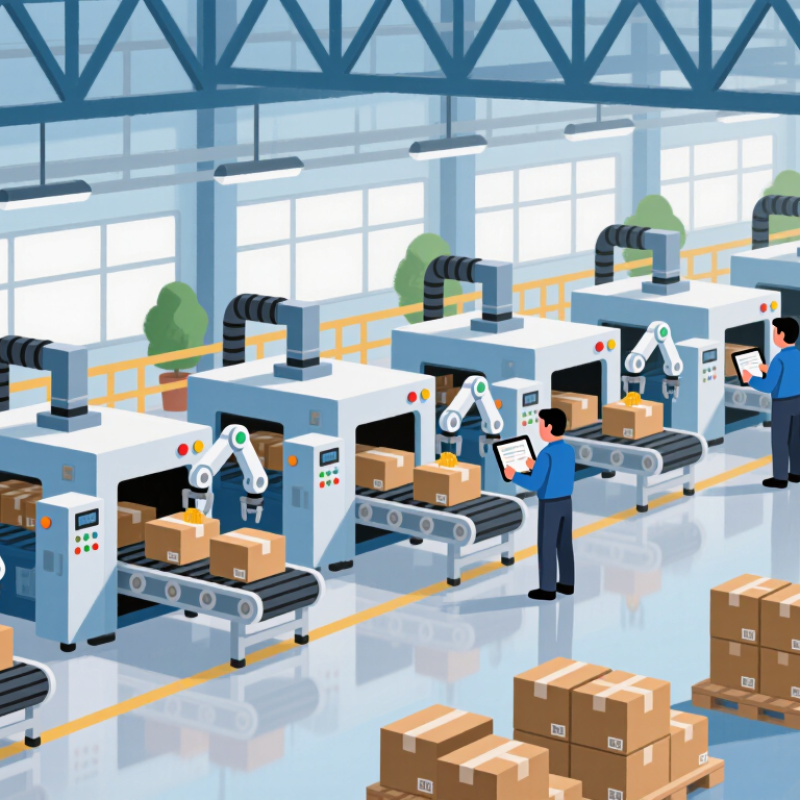
Cartoning machines are best defined by three practical questions: what carton they form, how they move, and where they fit in the line. Carton style affects loading and sealing. Straight-tuck cartons may suit products that need clean, accessible openings, while glued cartons can provide a firmer closure. Sleeves are another option when the product or inner pack already supplies structure. Small detail. The carton blank must also stay square as it enters the machine.

Motion describes how products and cartons travel through the equipment. Intermittent-motion machines pause each cycle for loading and closing. They can offer precise handling for varied products, but frequent stops may limit output. Continuous-motion systems keep cartons moving and can support faster lines. They often need steady product spacing and consistent carton quality. A small gap in feeding can disrupt the rhythm.

The machine’s role matters just as much. A standalone unit may work for a modest line or changing product runs. An integrated cartoner can connect with upstream filling and downstream case packing, reducing manual transfers. Check the actual product dimensions, changeover steps, and available floor space before comparing rated speeds. Rated speed is not always the line’s real speed. This is where buyers can misjudge a machine; I would still verify performance with representative cartons and products before committing.

7 Best Cartoning Machines for Global Buyers

Define Cartoning Machines by Carton Style, Motion, and Packaging-Line Role

Cartoners are commonly described by the carton they form—such as straight-tuck, reverse-tuck, or crash-lock—and by their motion: intermittent or continuous. They may operate as standalone machines or as part of an integrated packaging line. The speed ranges shown are indicative examples, not guaranteed specifications; actual output depends on carton size, product feeding, and line configuration.

Compare 7 Cartoner Types by Format, Automation, and Rated Cartons per Minute

Cartoner choice starts with the carton and product format. An intermittent horizontal machine handles cartons loaded from the side, while continuous-motion horizontal models suit steady, higher-volume lines. Vertical cartoners load products from above and can fit smaller floor areas. Wraparound machines fold a blank around a product bundle; top-load and side-load designs suit different access needs. Robotic cartoners offer flexible picking for mixed products, but need careful integration.

For a rough comparison, typical rated speeds may range from 20–100 cartons per minute for intermittent horizontal and wraparound models, and 100–300 for continuous horizontal machines. Vertical models often fall near 20–80; top-load and side-load machines commonly span 30–150. Robotic systems vary widely, often around 20–120 cartons per minute. These are planning ranges, not guarantees. Carton size, product stability, and closure style can change actual output.

Check the real line. Ask whether the quoted rate includes product feeding, leaflet insertion, and routine changeovers. A machine rated at 200 cartons per minute may run slower when operators must replenish blanks or clear jams. That detail is easy to overlook. Compare sample cartons, changeover time, and reject handling under your own production conditions. A neat speed figure alone is not enough.

Measure Production Efficiency with OEE: Availability × Performance × Quality

For global buyers comparing cartoning machines, headline speed is only part of the picture. Overall Equipment Effectiveness (OEE) measures Availability × Performance × Quality. Vorne’s OEE reference guide describes about 60% as typical manufacturing OEE and 85% as a world-class benchmark. These are broad benchmarks, not guarantees for every packaging line. A cartoner rated at 200 cartons per minute may deliver less when changeovers, brief jams, or rejected cartons are counted.

Track each factor during real production. If a shift has 90% availability, 90% performance, and 98% quality, OEE is about 79%. Record stoppages at the machine, not from memory at the end of the shift. Check whether cartons open cleanly, products load consistently, and code or closure defects trigger rejection. One weak input can pull down the whole result. And OEE alone does not explain why.

Tips: Ask suppliers for a timed acceptance run using your carton, product, and target format. Log planned and unplanned stops separately. Compare results across shifts; a tidy trial can hide difficult changeovers. Be cautious: even accurate OEE can overlook operator strain or upstream delays.

Check Global Packaging Compliance Against EU Regulation 1935/2004 and GS1 Standards

For global buyers, a cartoning machine must do more than form neat boxes. It should handle packaging materials with documented intended uses and support reliable batch traceability. EU Regulation 1935/2004 applies to materials intended to contact food. It requires that they do not transfer substances in amounts that could endanger health or unacceptably change food. A carton’s outer surface may not touch food, but liners, coatings, inks, and adhesives still deserve review. Check supplier declarations and risk-based migration evidence. Small details matter.

GS1 reports that its barcodes are scanned more than 10 billion times daily worldwide. That scale makes legible, correctly placed codes a practical requirement, not decoration. Ask whether the machine can consistently apply labels or print identifiers such as GTINs and batch data. Then test code readability on real cartons, including glossy finishes and curved flaps. A fast line is not useful if scanners keep rejecting packs.

Compare machines using your actual carton blanks, adhesives, and coding setup. Request changeover records, inspection results, and traceability samples from a production trial. Confirm that the proposed design leaves enough space for required symbols and market-specific information. GS1 standards help align product identification, but they do not replace local packaging rules. In practice, documentation can lag behind line changes. That is an uncomfortable gap, and worth checking before purchase.

Select a Cartoner by Changeover Time, Service Coverage, and Total Cost of Ownership

When evaluating a cartoner, compare changeover time under real production conditions, not only the figure in a brochure. A machine may run quickly on one carton yet lose hours when formats change. Ask for a demonstration switching between two carton sizes using your actual blanks, inserts, and coding requirements. Measure from the last acceptable pack of one run to the first acceptable pack of the next. Record tool changes, recipe loading, adjustments, and operator involvement. Small details matter. If operators need special tools or repeated trial packs, the quoted changeover time may not reflect your production floor. Consistent measurement can be difficult, so agree on the timing method before comparing machines.

Service coverage affects uptime as much as machine design. Confirm technician availability near your site, response targets, remote support, and spare-parts lead times. Ask which components are stocked locally and which must be shipped from elsewhere. A useful quotation separates maintenance, wear parts, training, and optional service visits. Estimate total cost of ownership over a realistic operating period, including labor, utilities, tooling, rejected packs, and planned downtime. A low purchase price can become expensive when formats change often or support is distant. Use your shift pattern and annual format mix; averages can hide costly peaks. Even a careful model misses something. Leave room for unexpected parts or a slower ramp-up, then revisit the assumptions after production trials.

7 Best Cartoning Machines for Global Buyers — Compare Changeover Time, Service Coverage, and Total Cost of Ownership
Cartoner Type Best Fit Indicative Speed Typical Format Changeover Flexibility Service Coverage to Check Relative TCO Profile
1. Intermittent-Motion Horizontal Cartoner Small to medium production runs; products such as bottles, tubes, trays, and blister packs loaded horizontally. About 20–80 cartons per minute, depending on product, carton size, and feeding system. Often about 20–60 minutes for a routine size change with prepared tooling and trained operators. Good for frequent product and carton-size changes; generally easier to access and adjust than high-speed continuous systems. Confirm local commissioning, operator training, spare change parts, and remote troubleshooting response times. Low to medium initial investment; labor and output per shift affect cost per carton.
2. Continuous-Motion Horizontal Cartoner High-volume lines with stable products, carton formats, and upstream supply. About 100–300 cartons per minute for many configurations; actual output is application-specific. Often about 45–120 minutes; change parts, setup procedures, and carton complexity can extend the change. Best when long production runs outweigh the need for frequent format changes. Prioritize regional field engineers, advanced controls support, and guaranteed access to critical components. High initial investment; can lower labor cost per carton at sustained, high utilization.
3. Vertical Top-Load Cartoner Products loaded from above, including pouches, bottles, jars, and grouped items. About 20–100 cartons per minute, depending on loading method and product handling. Often about 20–60 minutes for a routine format change; product-specific tooling may add time. Useful for products that are difficult to insert horizontally or need top-down placement. Check local support for product-loading systems, safety interlocks, and format-specific change parts. Low to medium investment for simpler systems; automation and dedicated feeding equipment raise lifecycle cost.
4. Wraparound Cartoner Products grouped into a bundle and enclosed by a flat carton blank, often for compact secondary packaging. About 20–100 cartons per minute, with speed affected by grouping and blank handling. Often about 30–90 minutes when carton dimensions or product grouping change. Efficient for consistent bundles; less suitable when product arrangements change frequently. Verify support for blank feeding, glue systems, carton tooling, and locally available wear parts. Medium investment; carton material usage and line integration are important cost drivers.
5. Robotic Top-Load Cartoner Mixed product orientations, delicate items, or applications needing flexible pick-and-place loading. About 20–120 cartons per minute; output depends on the number of robots, pick pattern, and cycle time. Often about 30–120 minutes; recipes can shorten setup, while gripper or product changes may take longer. High flexibility for product and pack-pattern changes when the robot, vision, and end-of-arm tooling are designed for them. Confirm access to robotics specialists, controls engineers, replacement grippers, and software support in the operating region. High initial investment; labor savings and flexibility may offset cost when utilization is sufficient.
6. Bottle and Jar Cartoner Rigid containers that require controlled orientation and careful loading into cartons. About 30–150 cartons per minute, depending on container stability and infeed design. Often about 30–90 minutes for a container or carton-size change; dedicated guides may be needed. Good for repeatable container formats; handling multiple shapes can require additional change parts. Ask about local support for container handling, accumulation, bottle guides, and integration with filling and labeling equipment. Medium to high investment when specialized feeding is required; downtime and container damage affect TCO.
7. Blister-Pack Cartoner Pharmaceutical and healthcare packs, including blister cards with inserts, leaflets, or other required components. About 60–300 cartons per minute, depending on pack size, leaflet handling, and inspection requirements. Often about 30–90 minutes; pack, leaflet, and serialization changes can add setup and verification steps. Designed for repeatable, controlled handling; regulated change control and line clearance are central considerations. Check regional availability of validation assistance, documentation, qualified service personnel, and support for serialization systems. Medium to high investment; validation, documentation, inspection, and compliance needs contribute to lifecycle cost.
Planning note: Speed and changeover figures are indicative ranges for common equipment configurations, not guaranteed specifications. Actual performance depends on product, carton dimensions, feeding method, tooling, operator skill, and line integration. Before purchasing, request a product trial and confirm changeover scope, acceptance criteria, local service response times, spare-parts lead times, energy use, maintenance requirements, and expected operating hours. Relative TCO is qualitative and should be evaluated using the same production assumptions for every option.
  • November 2025
  • 18/11 - 20/11
    Prod&Pack
    (Lyon, France)
  • 25/11 - 26/11
    Deutscher Fleisch Kongress
    (Mainz, Germany)
  • February 2026
  • 02/02 - 03/02
    Cheese Affair
    (Aarau, Switzerland)
  • 07/02 - 11/02
    Intergastra
    (Stuttgart, Germany)
  • 09/02 - 13/02
    Victus open doors event
    (Budapest, Hungary)
  • March 2026
  • 03/03 - 05/03
    Nemco Packaging Days
    (Viby, Denmark)
  • 10/03 - 12/03
    CFIA
    (Rennes, France)
  • 24/03 - 26/03
    Aquasur
    (Puerto Montt, Chile)

Default