7 Best Press Solutions for Global Buyers?
Global buyers are no longer choosing a press by speed alone. They compare uptime, substrate flexibility, automation, energy use, service coverage, and total ownership cost. This shift is visible in Smithers’ report, The Future of Global Printing to 2029. It identifies packaging, labels, digital production, and shorter print runs as important growth areas. Buyers therefore need press solutions that handle variable demand without creating excessive waste.
This guide reviews seven press solutions for different production realities. The selection considers offset, digital inkjet, flexographic, gravure, and hybrid platforms. It also examines workflow software, color consistency, operator training, and maintenance access. These details matter on a real factory floor. A press can look impressive during a demonstration, yet perform differently after months of dust, heat, and changing substrates. That is where judgment becomes difficult.
Service matters most.
According to the 2024 World Press Trends report from WAN-IFRA, print companies continue adapting to fragmented demand, digital competition, and changing customer expectations. Meanwhile, the International Energy Agency highlights industrial efficiency as a continuing business priority. These findings support a broader evaluation, not a simple comparison of machine speed. Each recommendation should be tested against local power standards, labor skills, material availability, and regional support.
No shortlist is perfect. Some evidence comes from vendor data, which requires careful checking. Buyers should request production samples, audited energy figures, reference customers, and documented maintenance costs. The best press solutions are not always the newest or largest. They are the ones that deliver stable quality, measurable efficiency, and dependable support across the equipment’s working life.
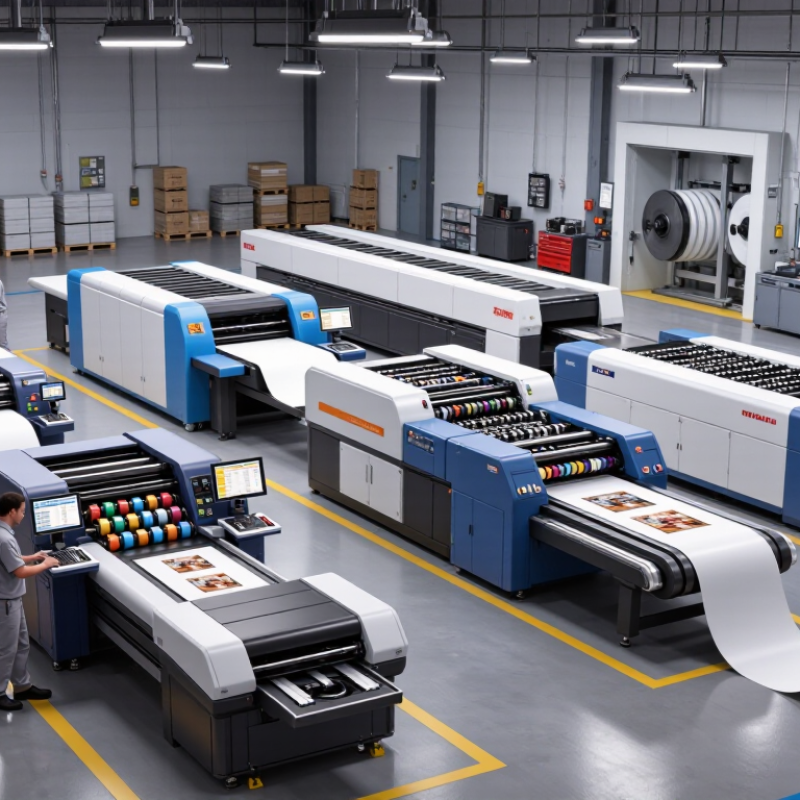
Table of Contents
[Hide]
What Press Solutions Are and Why Global Buyers Need Them
7 Best Press Solutions for Global Buyers
What Press Solutions Are and Why Global Buyers Need Them
Press solutions combine equipment, software, installation, training, and after-sales support. They help businesses produce printed materials with stable quality and controlled operating costs. Depending on the application, a solution may include a digital press, packaging press, label system, or finishing unit. The right choice depends on materials, production volume, local power standards, and available floor space.
Global buyers need more than an impressive machine specification. They need predictable delivery, clear documentation, compatible replacement parts, and responsive technical support. A supplier should explain output rates under realistic conditions, not ideal laboratory settings. Buyers should also request sample production using their own paper, film, or board. Small tests can expose feeding problems, color variation, or unexpected waste. No checklist is perfect.
Tips: Compare total ownership costs, not only the purchase price. Confirm voltage, language options, safety documents, warranty coverage, and technician availability. Ask how quickly common parts can arrive at your location. A remote diagnostic service may reduce downtime, but it cannot replace skilled local maintenance. In my view, this is where many purchasing plans remain weak. They focus on launch day and overlook the sixth month. A reliable press solution should fit current demand while allowing practical upgrades later. Avoid promises without measurable conditions. Define acceptable quality, service response times, and production targets in writing.
7 Best Press Solutions for Global Buyers
What Press Solutions Are and Why Global Buyers Need Them
| Rank | Press Solution | Best For | Common Substrates | Typical Production Speed | Recommended Run Length | Main Advantages | Important Limitations | Why It Suits Global Buyers |
|---|---|---|---|---|---|---|---|---|
| 1 | Digital Toner Press | Short-run commercial printing, personalized documents, labels, and marketing materials | Coated and uncoated paper, synthetic sheets, specialty stocks, and selected label materials | Approximately 60–150 A4 pages per minute | 1–5,000 copies per job | Fast setup, variable-data printing, low waste, and economical short runs | Higher unit cost on long runs; substrate and sheet-size compatibility can be limited | Useful for localized campaigns, multilingual content, product samples, and demand-based production without large inventories |
| 2 | Digital Inkjet Press | High-volume variable printing, direct mail, books, packaging, and transactional documents | Paper, inkjet-treated stocks, board, film, and selected flexible materials | Approximately 50–200 m/min, depending on configuration | 1,000–100,000+ impressions or linear metres | High productivity, variable content, strong automation, and reduced make-ready time | Requires suitable ink-substrate matching; drying, finishing, and colour control need careful management | Supports regional customization and just-in-time supply while reducing the risk of obsolete printed materials |
| 3 | Sheet-Fed Offset Press | Premium commercial print, brochures, catalogues, books, and folding cartons | Uncoated paper, coated paper, board, and specialty sheets | Approximately 10,000–18,000 sheets per hour | 5,000–1,000,000+ sheets | Consistent colour, broad paper choice, high image quality, and low unit cost at scale | Plates and make-ready increase setup time, waste, and cost for very short runs | Reliable for standardized global artwork, large regional orders, and projects where colour consistency is critical |
| 4 | Web Offset Press | High-volume newspapers, magazines, catalogues, inserts, and commercial publications | Lightweight coated and uncoated rolls of paper | Approximately 30,000–60,000 impressions per hour | 50,000–several million impressions | Very high output, efficient roll handling, and competitive cost for large quantities | Longer setup, substantial minimum volumes, and less flexibility for frequent version changes | Appropriate for consolidated international orders and repeat publications with predictable demand |
| 5 | Flexographic Press | Flexible packaging, labels, corrugated liners, paper bags, and film printing | Plastic films, foil, paper, nonwoven materials, labels, and corrugated board | Approximately 100–600 m/min, depending on press type and substrate | 10,000–1,000,000+ linear metres | Suitable for rolls and diverse packaging substrates; fast drying and efficient continuous production | Plate preparation and colour setup add cost; fine image reproduction depends on process control | Supports packaging supply across different markets and accommodates materials required by local regulations |
| 6 | Rotogravure Press | Very high-volume packaging, decorative laminates, gift wrap, and publication printing | Plastic films, paper, aluminium foil, and laminate structures | Approximately 100–400 m/min | 100,000–several million linear metres | Excellent long-run consistency, smooth solid areas, and high-quality image reproduction | Engraved cylinders have high preparation costs and are unsuitable for frequent short-run changes | Best for stable, repeated global packaging programmes where long production runs justify cylinder costs |
| 7 | Screen Printing Press | Industrial graphics, textiles, promotional products, signage, and specialty coatings | Textiles, glass, metal, plastics, wood, paper, and rigid boards | Approximately 500–5,000 pieces per hour, depending on process and format | 100–100,000 pieces | Heavy ink deposits, strong opacity, durable finishes, and compatibility with many irregular surfaces | Generally slower than offset or flexography; registration and drying may require additional control | Provides a flexible solution for specialty products, localized promotional items, and non-paper applications |
Note: Production speeds and suitable run lengths are typical industry ranges. Actual performance depends on press format, substrate, ink or toner system, colour configuration, finishing equipment, operator skill, and job complexity.
Related Posts
-
What is Bakery Packaging Equipment and Its Importance?
-
How to Choose the Best Meat Wrapping Machines for Your Business?
-

2026 How to Choose Environmentally Friendly Packaging Solutions?
-
How to Choose the Best Packaging Solutions for Your Business Needs
-

Top 10 Medical Packaging Solutions Your Business Needs?
-
How to Choose the Best Packaging Equipment for Food?