What is Book Printing Inspection and Why is it Important?
Book Printing Inspection is a critical process in the publishing industry. This step ensures that each book meets quality standards. Any errors overlooked can result in significant financial loss and damage to a publisher's reputation.
During the inspection, various factors are analyzed, such as print clarity, color accuracy, and binding quality. An inspector reviews pages for misprints or other inconsistencies. This meticulous attention to detail helps maintain high standards. However, flaws may still exist, and some books may slip through the cracks.
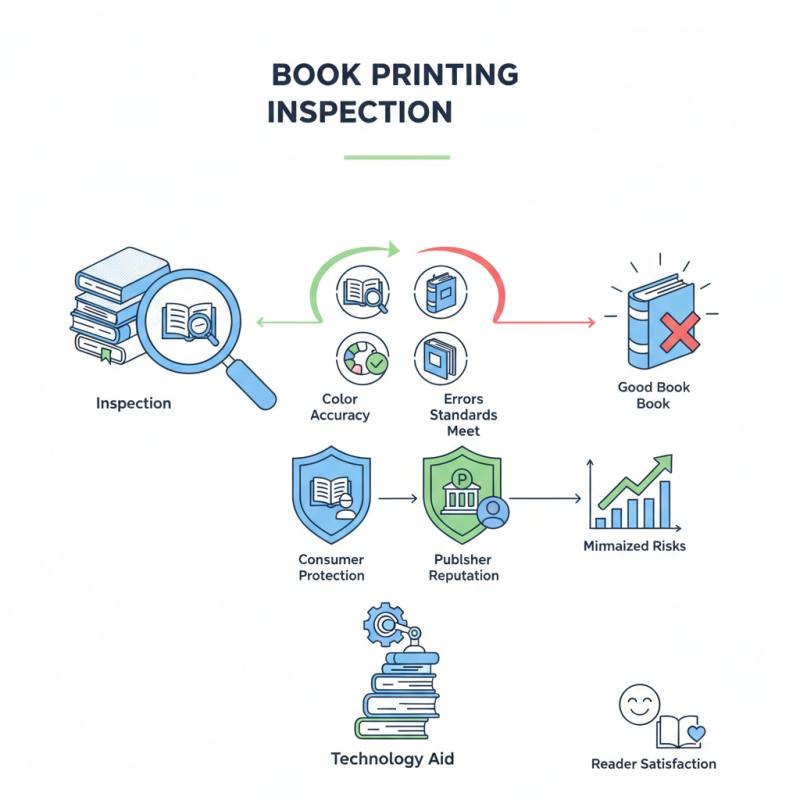
The importance of Book Printing Inspection cannot be overstated. It protects both the consumer and the publisher. A book that looks unprofessional reflects poorly on the brand. Readers may hesitate to buy if they find errors. Regular inspections can help minimize these risks, but they require time and resources. Inspectors often wish for more technology to aid in their work. Ultimately, each inspection plays a vital role in ensuring reader satisfaction.
What is Book Printing Inspection?
Book printing inspection is a critical process that ensures the quality and accuracy of printed materials. This involves checking various aspects, including color fidelity, paper quality, and binding integrity. According to industry data, up to 30% of printed books can have defects if not properly inspected. This highlights the importance of having a thorough examination during the printing phase.
During inspections, common issues include misalignment, color discrepancies, and missing pages. These can greatly affect the final product’s appeal. Studies show that consumer satisfaction drops by 25% when print quality fails. Therefore, effective inspection can reduce these risks and enhance the final outcome. Inspectors use equipment like densitometers to measure color consistency, ensuring that prints match the intended design.
Despite the technology available, human oversight remains essential. Mistakes sometimes slip through, revealing gaps in the checking process. Regular training and updates for inspection teams can minimize errors. It's crucial to recognize that even with strict protocols, perfection in book printing remains elusive. The journey to improve inspection methods is continuous and requires reflection on past errors.
The Role of Quality Control in Book Printing
Quality control plays a crucial role in the book printing process. It ensures that every printed copy meets specific standards. Inspectors check for clarity, color accuracy, and alignment. Small errors can become significant issues. A slight misalignment can ruin the entire aesthetic. Quality control avoids that.
Inspectors often find flaws during the printing stages. Sometimes, colors don’t match the proofs. Other times, pages may be printed in the wrong sequence. These issues can lead to disappointment for readers and authors. Not all defects are visible at first glance, making careful inspection essential.
Through quality control, printers maintain their reputation. A reliable publisher attracts consistent buyers. Each printed book reflects the quality behind it. However, the process can be imperfect. Mistakes happen, and sometimes they go unnoticed. Adjustments after production are not always possible. Quality inspection, therefore, remains an ongoing challenge.
Key Metrics for Effective Book Printing Inspection
Book printing inspection is crucial for ensuring high-quality output. To achieve this, specific key metrics must be monitored. One critical metric is color accuracy. Check for consistency across pages. Minor variations can lead to a noticeable difference in overall appearance. Use color samples to compare shades. This will help achieve better results.
Another important metric is print alignment. Misaligned text or images can ruin a book’s presentation. Inspect binding and margins closely. Even slight shifts can impact readability. It's essential to maintain uniformity throughout the print run.
Tips: Always keep a checklist during inspections. This helps track every vital aspect. Also, engage a second set of eyes during the final review. Fresh perspectives can catch what you might miss. Regular training for the inspection team can enhance their skill set. Empower your team to understand the importance of their role in the printing process. A little reflection on these practices can lead to significant improvements.
Common Defects Identified During Book Printing
Book printing inspection plays a critical role in ensuring high-quality publications. During the printing process, various defects can occur. Noticing these issues is essential for maintaining standards and meeting reader expectations.
Common defects include color inconsistencies. Studies reveal that 30% of printed pages show color variation. This can disrupt the visual appeal of a book. Poor binding is another frequent issue, found in about 15% of cases. Weak or torn pages impact durability.
Text alignment problems are also notable. Misaligned text affects readability and creates a negative experience for readers. Crumpled pages or misprints may go unnoticed until the final review. These defects highlight the importance of a thorough inspection process in preserving quality and trust in published works.
Common Defects in Book Printing
Impact of Inspection on Publishing Industry Standards
In the publishing industry, the value of book printing inspection cannot be overstated. It directly influences the production quality of printed materials. Books with defects can tarnish the reputation of publishers. Readers expect excellence. When they encounter errors in print, they might lose interest. The importance of meticulous inspection grows with each produced copy.
Effective inspection processes help uphold industry standards. They ensure consistency throughout the entire printing run. Inspectors check for misprints, incorrect binding, and color discrepancies. Yet, even with rigorous checks, flaws can slip through. This creates a cycle of reflection and improvement. Publishers must look inward and evaluate their practices continually.
Failing to address inspection shortcomings can lead to larger issues. For example, damaged shipments reflect poorly on the entire brand. They can result in financial losses. The implications are far-reaching; poor-quality books affect sales and consumer trust. Therefore, investing in inspection isn't just about checking boxes; it's about maintaining a standard that benefits all stakeholders in the industry.