China Best Bagging Solutions for Global Buyers?
Choosing reliable bagging solutions requires more than comparing equipment prices. Buyers need a clear view of capacity, materials, filling accuracy, and service support. A 25-kilogram sack may look simple, yet its valve design affects dust control and sealing quality. A woven bag may reduce costs, but weak stitching can create losses during pallet handling. Experienced suppliers usually discuss these details before recommending a machine. They should also explain testing methods, spare parts, installation, and operator training. Practical questions matter. Can the system handle your product consistently? Can it fit your existing production line? Will local technicians understand the controls?
Quality evidence should guide every decision. Buyers can request factory videos, sample bags, inspection records, and references from comparable industries. Reliable manufacturers often provide trial filling with the buyer’s actual material. This reveals problems that brochures may hide. Weight variation, clogged nozzles, slow discharge, and damaged bags deserve careful review. Compliance also matters across international markets. Suppliers should support accurate specifications, safe machine operation, export documents, and applicable packaging requirements. However, no supplier fits every buyer. A low quotation may exclude commissioning or essential sensors. A famous factory may still communicate poorly after payment. That is why a balanced evaluation remains necessary. The best choice combines technical capability, transparent communication, stable quality, and responsive support. Buyers should stay open to improvement, because even a well-designed bagging line can need adjustment after real production begins.
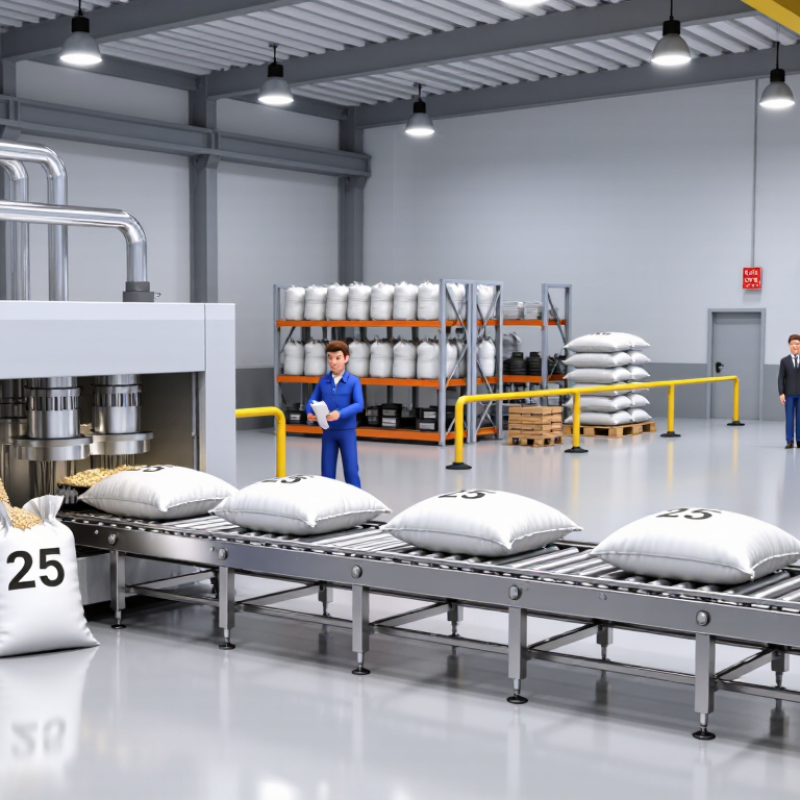
For global buyers, bagging decisions begin with handling conditions, not appearance. In plant assessments, I have seen a strong sack fail because pallets were too tall. Chinese suppliers commonly prepare 5–50 kg sacks for retail, manual handling, and warehouse movement. Smaller sacks simplify counting and opening. They also increase labor and packaging waste. A 25 kg sack may suit routine distribution, while a 50 kg sack can reduce units per pallet.
Check the details.
Sack material, stitching, valve design, and moisture protection need practical testing. Ask for filled samples, drop tests, compression tests, and pallet photos before approval. A package that looks strong can split at the seam after vibration during a long journey. Specifications should state product density, filling speed, closure method, and allowed weight tolerance. These points make supplier comparisons more reliable.
For bulk logistics, 500–2,000 kg FIBCs support fewer handling steps and better container utilization.
They need compatible lifting loops, discharge designs, liners, and documented safe working loads. A 1,000 kg FIBC may suit cranes and forklifts, but it can challenge small warehouses without proper equipment. Storage height matters too. Some buyers focus only on capacity and overlook empty-bag folding, humidity, or operator training. That is a costly gap. The perfect format does not exist, and real handling conditions may challenge the original plan.
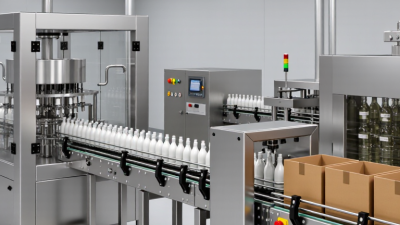
China’s bagging equipment can serve global buyers when capacity and accuracy match the product, bag type, and workflow. The practical range of 5–30 bags per minute suits small and medium production lines. A 5-bag system may support careful, flexible packing. A 30-bag system requires steady material flow, trained operators, and reliable conveying equipment.
Weighing accuracy of ±0.2–0.5% sounds precise, but testing conditions matter. For a 25-kilogram bag, this equals approximately 50–125 grams. Moisture, product density, vibration, and uneven feeding can affect results. Buyers should request factory test records using their actual material. A calibrated reference scale can verify performance during acceptance testing. Keep the check scale nearby.
In practical installations, automatic correction can reduce weight variation during long production runs. However, no setting removes every error. Fine powders may create dust, while granules can bridge inside the hopper. Operators should inspect load cells, seals, clamps, and feeding gates regularly. Remote support is useful, but clear manuals and available spare parts matter more than attractive specifications. A short trial with different bag sizes can reveal delays that a brochure will not show. Careful commissioning usually protects both output and product consistency.
China Best Bagging Solutions for Global Buyers?
Material Selection: PP, PE, Paper, and Barrier Films by Product Risk
Material selection should follow product risk, not appearance or price alone. In packaging reviews, I examine moisture, oxygen, abrasion, weight, and sealing needs. Polypropylene, or PP, offers good stiffness and clear handling. It suits woven bags for grains, feed, and other dry goods. Polyethylene, or PE, provides flexibility and strong moisture resistance. It works well for liners, pellets, and products exposed to humid warehouses.
Paper creates a natural, printable surface and supports a more familiar retail appearance. However, ordinary paper absorbs moisture quickly. It needs a suitable coating or an inner liner for humid routes. Do not trust appearance alone. I once reviewed a neat paper sack that softened after several days near a loading area. The design looked reliable, but the storage conditions were ignored.
Barrier films deserve closer attention when oxygen, aroma, light, or humidity can damage the product. Multi-layer structures may combine strength with improved protection, yet they can increase cost and complicate recycling decisions. Testing matters. I recommend checking seal strength, drop resistance, and shelf-life performance using real filling weights and transport conditions. A small trial can reveal weak corners, poor seals, or excessive material use before full production. Perfect specifications still fail when operators receive unclear packing instructions.
China Best Bagging Solutions for Global Buyers?
Compliance Benchmarks: ISO 21898, ASTM D4169, HACCP, and UN Codes
Global buyers need more than attractive bag samples. They need documented performance, consistent production, and clear inspection records. ISO 21898 supports the design and testing of flexible intermediate bulk containers. It addresses lifting, stacking, filling, discharge, and safe handling. Material selection should match the product, filling weight, and storage environment.
ASTM D4169 evaluates packaging performance during transportation and distribution. Its test sequence can simulate vibration, compression, impact, and warehouse handling. The correct assurance level depends on the shipping route and distribution cycle. A factory should explain test conditions, not simply display a certificate. Details matter. Batch records, seam inspections, and load-test results help buyers verify consistency.
HACCP applies strongly when bags contact food or feed products. Teams should identify contamination risks, control cleaning procedures, and protect materials during storage. UN codes may apply to packaging used for authorized dangerous goods. In that case, the correct design type, certification, marking, and testing route must be confirmed before shipment. Requirements vary by product and transport mode. No test plan is perfect. A packaging team may overlook moisture, sharp corners, or repeated lifting. Regular audits and practical trial shipments can reveal these weaknesses. Reliable suppliers welcome that scrutiny and update procedures when evidence shows a gap.
| Compliance Benchmark | Primary Scope | Typical Bagging Application | Key Performance or Control Requirements | Objective Evidence for Buyers | Global Buyer Relevance |
|---|---|---|---|---|---|
| ISO 21898 | Flexible intermediate bulk containers (FIBCs) intended for non-dangerous goods. | Bulk transport and storage of powders, granules, agricultural materials, minerals, chemicals, and food ingredients. | Construction, lifting arrangements, filling and discharge features, safe working load, safety factor, labeling, and performance testing appropriate to the FIBC design. | Declared safe working load, design specification, test reports, inspection records, and traceability for the supplied FIBC configuration. | Supports consistent FIBC design and safer handling across international logistics operations; it does not replace dangerous-goods regulations. |
| ASTM D4169 | Performance testing of shipping units and containers under distribution hazards. | Woven bags, valve bags, sacks, lined bags, palletized units, and other packaged loads shipped through road, rail, sea, or air distribution channels. | A selected distribution cycle, assurance level, and laboratory sequence addressing hazards such as impact, vibration, compression, and environmental exposure. | Test protocol, sample description, selected distribution cycle, assurance level, conditioning details, test results, and acceptance criteria. | Helps buyers compare packaging durability using a distribution profile rather than relying only on material thickness or visual inspection. |
| HACCP | Preventive food-safety management based on hazard analysis and control of critical points. | Packaging and bagging of food, feed, food ingredients, and materials that may contact food where hygiene risks must be controlled. | Documented hazard analysis, prerequisite hygiene programs, defined critical control points where applicable, monitoring, corrective actions, verification, and records. | HACCP plan, sanitation procedures, allergen controls, foreign-material controls, supplier approval records, traceability records, monitoring logs, and verification results. | Reduces contamination risks in food-related bagging operations; HACCP is a food-safety system and is not, by itself, proof of packaging-material compliance. |
| UN Codes and UN Model Regulations | Packaging and transport requirements for dangerous goods, including performance-tested packagings. | Bags, composite packagings, boxes, drums, and other approved packaging formats used for regulated hazardous materials, subject to the applicable transport mode and packing instruction. | Correct UN packaging specification, packing group suitability, design qualification, performance tests, marking, labeling, closure instructions, and compatibility with the dangerous good. | UN packaging certificate or test report, approved design type, UN marking details, packing instruction, closure procedure, and transport-specific compliance documentation. | Essential for regulated hazardous shipments; the required code and test level depend on the substance, packing group, packaging type, and transport regulations. |
China can offer competitive bagging solutions, but supplier due diligence decides the real value. Define the bag type, filling weight, liner, closure, and stacking requirement before requesting quotations. A low MOQ can still be a false economy. Confirm whether the quoted MOQ covers one specification, one color, or one production batch. Ask for recent capacity records, sample approval procedures, and evidence of consistent raw-material sourcing.
Lead time should be separated into sampling, tooling, production, inspection, and export booking. The World Bank’s 2023 Logistics Performance Index surveyed 4,090 logistics professionals across 139 economies and highlighted significant differences in shipment reliability. Build a buffer into seasonal orders. One missed vessel can damage the original price advantage. A practical quotation should show ex-works price, inland transport, export handling, freight, insurance, duties, customs fees, and destination delivery. Compare landed cost per usable bag, not per quoted unit.
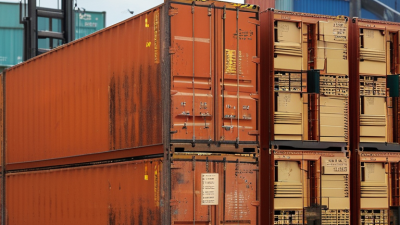
Traceability needs physical evidence. Request batch numbers, resin or paper certificates, production dates, inspection reports, and retained samples. Match these records with carton labels and shipping documents. The International Maritime Organization reports that more than 80% of global merchandise trade by volume moves by sea, so container handling and moisture protection deserve attention. Remote audits help, but they are imperfect. Independent pre-shipment inspection remains useful, especially when first orders involve unfamiliar factories. Supplier scores should be reviewed after delivery, because paperwork alone cannot prove stable quality.
Indicative China sourcing benchmarks for MOQ, production lead time, landed cost, and traceability. Values are non-brand market estimates for standard export orders.
Custom paper and reusable bag solutions generally require higher MOQs and longer production windows than stock bags. Landed cost includes estimated manufacturing, export packing, ocean freight, insurance, and destination handling, but excludes import duty and local taxes. Traceability scores reflect the availability of batch records, material certificates, inspection reports, and shipment documentation.