How to Choose the Best European Packaging Solutions for Your Business?
In today's competitive market, selecting the right European packaging solutions is crucial for every business. Experts in the field emphasize the significance of this choice. Andrew Muller, a renowned packaging solutions expert, once said, "Choosing the right packaging defines your brand's identity and market reach." Packaging goes beyond mere containment; it reflects your values and quality.
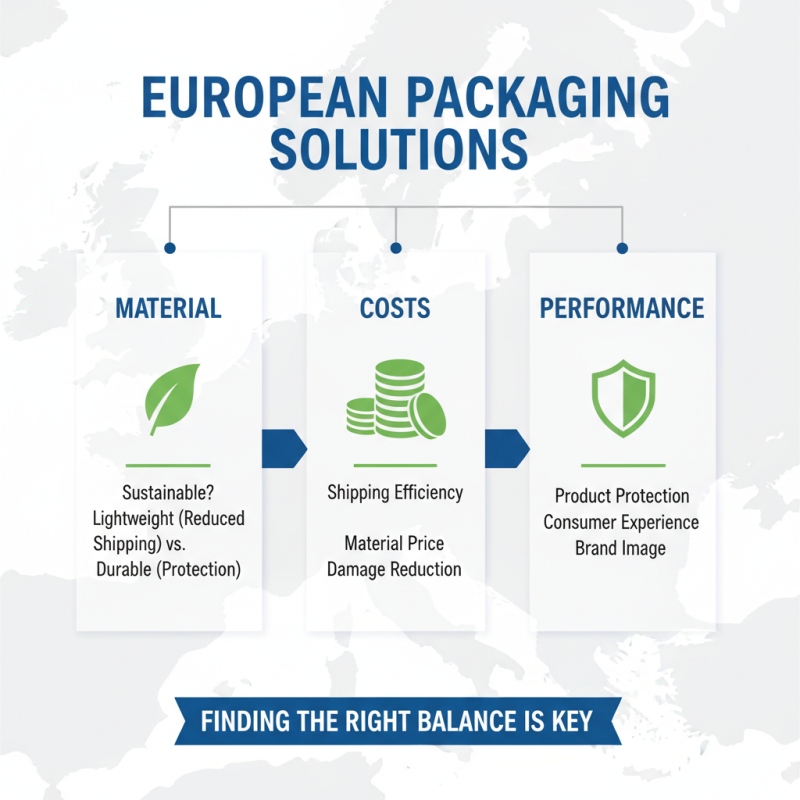
European packaging solutions offer diverse options tailored to different industries. From eco-friendly materials to innovative designs, the choices can be overwhelming. Businesses must consider sustainability, cost-effectiveness, and functionality. Each decision carries weight. It's essential to ensure that packaging aligns with your strategic goals.
However, many companies struggle with these decisions. They may overlook critical factors like consumer preferences or environmental impact. In a rapidly changing landscape, staying informed is key. It's vital to engage with experienced professionals in the European packaging sector. Their insights can guide you toward making informed decisions. Thus, investing time in research and consultation can lead to better outcomes.

Understanding Your Business Packaging Needs
Understanding your business packaging needs is crucial for success. Start by assessing the products you offer. Different products require different types of packaging. For example, fragile items need cushioning. Look at the materials as well. Cardboard, plastic, and biodegradable options each serve unique purposes. Each choice affects your supply chain and customer experience.
Consider your target market. Are they environmentally conscious? Sustainable packaging can attract these customers. On the other hand, if cost is a major concern, explore cost-effective options. Balancing cost with quality is often tricky. You may need to experiment to find what works best for your business.
Don’t forget about legal requirements. Packaging must comply with regulations. This can vary by region and product type. It’s easy to overlook, yet it's vital. Collect feedback from customers as well. Their insights can reveal potential improvements. Reflect on your choices frequently. This will help you adapt and grow.
Evaluating Different Types of Packaging Materials
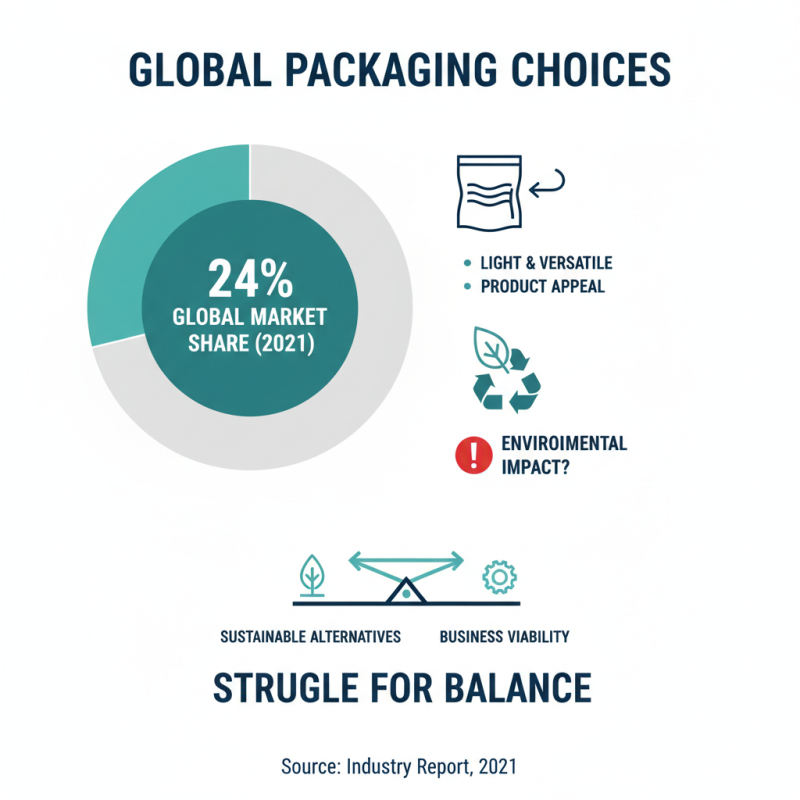
When selecting packaging materials, businesses face critical choices. A recent report indicated that flexible packaging made up 24% of the global market share in 2021. This material is light and versatile, appealing for various products. Still, its environmental impact raises questions. Many companies seek sustainable alternatives but struggle to find balance.
Rigid packaging remains popular due to its durability. It can protect fragile items effectively. However, it often generates more waste than other options. In fact, rigid containers accounted for nearly 30% of packaging waste in Europe last year. Companies must consider how to minimize this footprint without compromising quality.
Biodegradable materials gain traction. They offer eco-friendly solutions but can be costly. A survey revealed that 55% of consumers prefer sustainable packaging. Businesses should evaluate their target audience's values. Finding the perfect mix sometimes feels elusive. Balancing cost, performance, and environmental responsibility is a challenge that requires ongoing reflection.
Comparing Costs and Sustainability in Packaging Options
When selecting European packaging solutions, cost and sustainability are critical factors. Businesses often face a trade-off between budget and eco-friendliness. A cheaper option might reduce expenses but could harm the environment. Recycling and biodegradable materials often carry a higher price tag. It's essential to evaluate whether these additional costs align with your business goals.
Sustainability is more than a buzzword. Consumers increasingly prefer eco-friendly packaging. This shift pressures businesses to adopt greener alternatives. However, many packaging solutions touted as sustainable may not be fully effective. For example, some materials marketed as recyclable still end up in landfills. It's vital to investigate the entire lifecycle of packaging materials before making a decision.
Choosing the right packaging isn't always straightforward. The ideal solution must meet practical needs while minimizing environmental impact. Some businesses may find it challenging to navigate these options. A clear analysis of potential solutions can reveal surprising insights, helping businesses make informed choices. Reflecting on the balance of cost and sustainability will guide you towards better packaging solutions.
How to Choose the Best European Packaging Solutions for Your Business?
| Packaging Option |
Cost per Unit (EUR) |
Sustainability Rating (1-5) |
Material Type |
Recyclability (%) |
| Cardboard Box |
0.50 |
4 |
Recycled Paper |
90 |
| Biodegradable Bag |
0.30 |
5 |
PLA (Polylactic Acid) |
100 |
| Glass Container |
1.00 |
5 |
Glass |
100 |
| Plastic Bottle |
0.20 |
3 |
PET (Polyethylene Terephthalate) |
75 |
| Wooden Crate |
2.00 |
4 |
Wood |
85 |
Assessing Supplier Reliability and Quality Standards
When choosing packaging solutions, evaluating supplier reliability is critical. A reliable supplier should consistently deliver high-quality materials. Look for testimonials or reviews from previous customers. This feedback can indicate the supplier's trustworthiness. Direct communication is also vital. Ask about their production processes and quality control measures. Understanding these aspects gives insight into their reliability.
Quality standards in packaging can vary significantly among suppliers. It's essential to ensure they meet industry-specific requirements. Investigate certifications that pertain to your industry. Suppliers may claim to meet standards, but verification is necessary. Visiting their facility can provide a clearer picture of their operations. If this isn't possible, request samples to assess material quality.
Some suppliers may promise quick turnaround times. However, this can affect quality. Always ask about their capacity to handle your orders. A large order may cause delays or compromise quality. It's important to weigh speed against reliability and quality. This balance could make or break your business success.
Assessing European Packaging Solutions: Supplier Reliability and Quality Standards