How to Choose the Right Capacitor Duty Contactor for Your Needs?
Choosing the right Capacitor Duty Contactor is crucial for optimal performance in electrical systems. These components manage the connection and disconnection of capacitors, which help in power factor correction and voltage regulation. Selecting the appropriate contractor ensures that your systems run efficiently and safely.
When evaluating options, consider your specific application. Different contractors offer varying voltage ratings, current capacities, and control features. It’s important to match these specifications with your equipment’s requirements. A mismatch could lead to inefficiencies or even equipment failure.
Experience plays a vital role in making the right choice. Consulting with industry experts can provide insights into the best practices and common pitfalls. Even with research, some trial and error may be necessary. Understanding the unique needs of your system and how the Capacitor Duty Contactor fits into it will lead to a more informed decision.
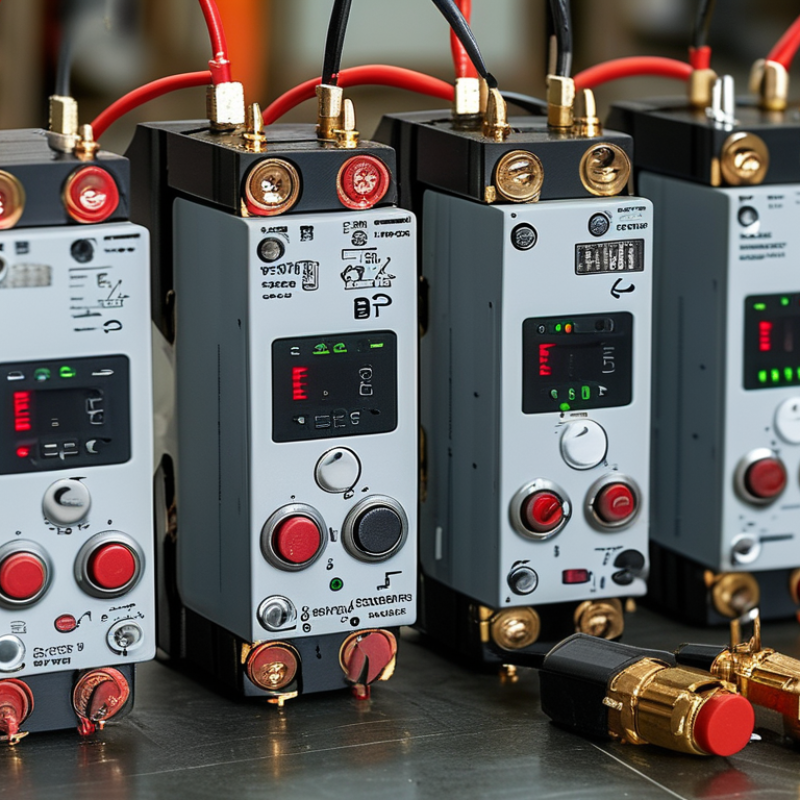
Understanding Capacitor Duty Contactors and Their Functions
Capacitor duty contactors play a crucial role in managing electrical circuits that include capacitor banks. These contactors are designed to handle the unique demands associated with switching capacitors. They must endure frequent operations and potential inrush currents. Understanding their functions is the first step in choosing the right one for your needs.
When selecting a contactor, consider its specifications. Look for voltage ratings, current capacity, and operational endurance. Contactor efficiency matters. Sizing issues can lead to equipment failure, affecting overall performance. It’s also essential to assess environmental factors. High temperatures or humidity can impact reliability. Always ensure the contactor suits the specific application.
Another important factor is the control circuit compatibility. It must align with your existing systems. Users often overlook this aspect, leading to inefficiencies. Consider testing the contactor in different scenarios. This helps identify its limitations. Regular maintenance checks can also improve its longevity. By evaluating these elements, you can enhance your capacitor bank's functionality and efficiency. Make informed choices to ensure reliable operations.
How to Choose the Right Capacitor Duty Contactor for Your Needs
| Parameter | Description | Typical Values |
| Voltage Rating | The maximum voltage the contactor can handle. | 230V, 400V, 690V |
| Current Rating | The maximum current the contactor can switch. | 10A, 25A, 40A, 63A |
| Duty Type | Indicates the type of load the contactor is designed for. | Capacitive, Inductive |
| Number of Contacts | The number of switching contacts available. | 1NO, 1NC, 2NO |
| Control Coil Voltage | Voltage required to energize the coil. | 24V AC/DC, 110V AC, 230V AC |
| Application | Typical uses for the contactor. | Motor control, Lighting, HVAC |
Key Factors to Consider When Selecting a Capacitor Duty Contactor
When selecting a capacitor duty contactor, several key factors need consideration. Understanding the application is crucial. Assess the voltage and current ratings required for your operation. This ensures the contactor can handle the electrical load effectively. Look at the duty cycle as well. Frequent switching demands a contactor designed specifically for such use.
Another important factor is the environment where the contactor will be installed. Extreme temperatures or high humidity levels can impact performance. Waterproof or weatherproof options may be necessary. Don’t overlook the size of the contactor. Ensure it fits within your electrical panel without crowding.
Finally, consider operational reliability. Reliability plays a vital role in maintenance costs and system uptime. Choosing a reputable manufacturer can help but requires research. Not all products are equal; some may last longer than others. Test samples when possible. Feedback from existing users can be invaluable. Each selection reflects not just performance, but also your commitment to quality.
Capacitor Duty Contactor Selection Factors
This chart illustrates key factors to consider when selecting a capacitor duty contactor, rated on a scale from 1 to 10 based on their importance. Voltage and current ratings are at the top of the priority list while enclosure type holds relatively lesser significance.
Analyzing Load Requirements for Appropriate Contactor Sizing
Choosing the right capacitor duty contactor requires careful analysis of load requirements. Understanding these specifications is crucial for proper sizing. The load type—whether resistive, inductive, or capacitive—impacts the contactor's performance. Each load has distinct characteristics that affect energy consumption and efficiency. Misjudging these can lead to underperformance or failure.
Consider the amperage required by your system. This will guide you in selecting a contactor with the right rating. Use the formula P=VI to calculate the required voltage and current. Remember, surge currents during start-up need attention too. Ignoring these can result in premature contactor burnout.
It's also essential to assess the environmental conditions. Factors like temperature, humidity, and dust levels can impact the contactor's lifespan and reliability. Regular maintenance checks can identify potential issues before they escalate. Relying solely on contactor specifications may lead to oversight. Balancing specifications with real-world application ensures a more informed choice.
Evaluating Environmental Conditions Impacting Contactor Choice
When selecting a capacitor duty contactor, environmental conditions play a critical role. These conditions often dictate the lifespan and efficiency of the contactor. For instance, high temperatures can significantly reduce a contactor's operational lifespan. According to industry reports, operational temperatures exceeding 60°C can cut the life expectancy by up to 50%. Humidity levels are equally important; excessive moisture can lead to corrosion in electrical components.
When evaluating your options, consider factors like dust, vibration, and exposure to chemicals. Each of these elements can negatively affect a contactor’s performance. In environments with high dust levels, for example, dust ingress may require additional filtration or protective enclosures. Similarly, in applications with frequent vibrations, select contactors designed with robust mounting options.
Tip: Always review the manufacturer's environmental ratings. These certifications indicate how well a contactor can withstand specific conditions.
Another factor to bear in mind is electrical load. Ensure that the contactor has ratings that match the load conditions. Overloading a contactor can lead to short circuits or failure.
Tip: Regularly inspect your equipment. This practice helps identify any wear signs before they become critical.
Comparing Different Types of Capacitor Duty Contactors on the Market
When selecting a capacitor duty contactor, understanding the types available is crucial. There are several types to consider, including electromagnetic contactors and solid-state versions. Electromagnetic contactors have mechanical components, making them robust but prone to wear. Solid-state contactors, on the other hand, have no moving parts and often provide greater reliability. They excel in environments with high switching frequencies.
Voltage ratings play a significant role in your choice. Ensure the contactor can handle peaks above your system’s operating voltage. Additionally, look at the current rating. This ensures that the contactor meets the demand of the load. Thermal performance is another factor; overheating can lead to failure.
Installation and maintenance considerations also impact your decision. Some contactors require more expertise to install. Ensuring the right choice involves reflecting on your specific needs. Over time, evolving applications may expose weaknesses in your initial selection. It's beneficial to revisit these choices regularly, as technology and requirements change.