How to Choose the Best Packaging Industry Equipment for Your Needs?
Choosing the right packaging industry equipment is crucial for success. It influences efficiency, cost, and product quality. The right tools can streamline operations and enhance competitiveness. However, the decision-making process can be daunting. Factors such as production volume, material types, and budget needs must be considered.
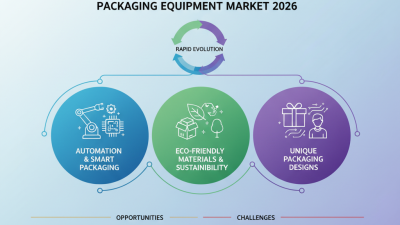
In a rapidly evolving market, understanding current trends in packaging industry equipment is vital. New technologies emerge regularly, offering innovative solutions. Businesses need to stay informed to make the best choices. Equipment should not only meet current demands but also adapt to future needs. This flexibility is essential in a dynamic environment.
Investing in packaging industry equipment requires careful thought. Online reviews and expert consultations can provide valuable insights. Past user experiences can highlight potential advantages and pitfalls. Reflecting on these influences can guide better equipment selection. Ultimately, the goal is to find solutions that align closely with specific operational needs while being actionable and reliable.
Understanding Your Packaging Requirements and Goals
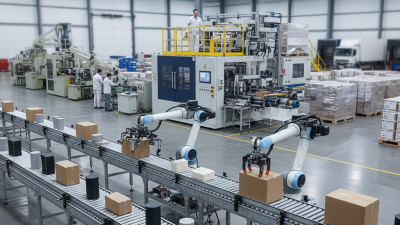
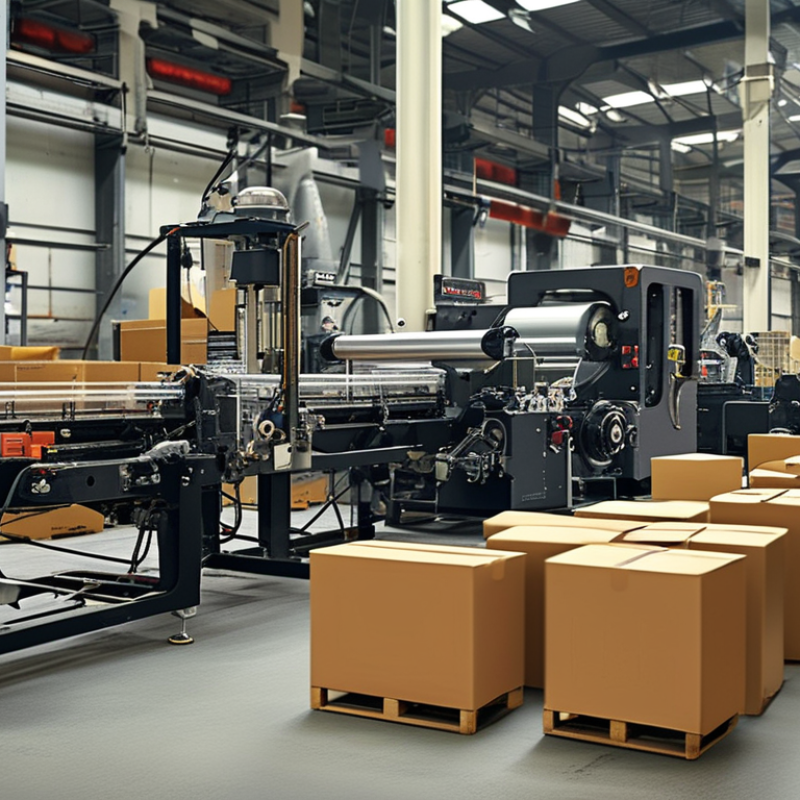
To select the right packaging equipment, understanding your specific needs is crucial. Start by assessing the types of products you plan to package. Are they fragile? Heavy? Perishable? Knowing these details helps narrow down your options. For instance, delicate items might require specialized machinery that minimizes handling. In contrast, bulk products may need robust conveyors.
Consider the scale of your operations. Are you a startup or an established business? Smaller operations might benefit from versatile machines that can handle various tasks. Larger enterprises may seek high-speed, automated solutions. Think about future growth too. Will your current choices support any expansion plans? Equipment can be a significant investment; make sure it aligns with your long-term goals.
Evaluate your production environment. Limited space can restrict equipment choices. Also, consider safety protocols. Equipment should not only meet packaging needs but also ensure worker safety. Gather insights from industry experts or colleagues. Their experiences can highlight common pitfalls. Often, businesses discover that their initial choices do not suit their evolving needs, emphasizing the importance of flexibility in decision-making.
Assessing Different Types of Packaging Equipment Available
When assessing packaging equipment, it is crucial to evaluate various options tailored to your specific needs. The global packaging equipment market is projected to reach over $50 billion by 2025, indicating a growth that reflects diverse industry demands. Types of packaging equipment vary significantly and include filling machines, labeling systems, and case packing machines, each serving unique purposes.
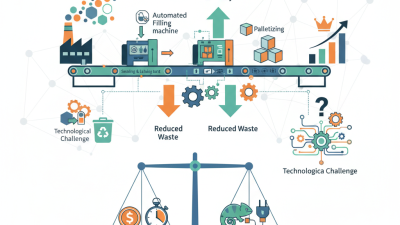
Filling machines can be sophisticated, handling both liquids and solids. They ensure precise measurement, which minimizes waste and boosts efficiency. According to industry reports, businesses can save up to 30% on labor costs by automating the filling process. On the other hand, labeling systems enhance product visibility and compliance. Reports suggest that improper labeling can lead to a 20% increase in returns. Meanwhile, case packing machines increase the speed of packing goods for shipment, translating to quicker delivery times and improved customer satisfaction.
Choosing the right equipment requires careful consideration of your operation's volume and product types. Noting the differences in output rates and flexibility is vital. Keep in mind that a system with high-capacity might be overkill for a small-scale operation. Reflecting on scalability is important. You wouldn't want to invest in equipment that outgrows your needs quickly. This balance between capability and practical application is central to achieving operational efficiency.
Analysis of Different Types of Packaging Equipment
Evaluating Equipment Features and Specifications
When evaluating equipment features and specifications in the packaging industry, several factors must be considered to meet specific needs. Understanding production capacity is critical. For instance, data shows that companies with automated packaging solutions can increase production speeds by up to 50%. This significant productivity gain highlights the necessity of selecting equipment that aligns with business goals.
Another essential consideration is the versatility of the equipment. The ability to handle various packaging materials can prevent operational bottlenecks. A recent report noted that 72% of companies prefer equipment that accommodates multiple formats. This flexibility can enhance workflow efficiency and reduce downtime. Additionally, maintenance requirements should not be overlooked. Equipment that demands frequent repairs can lead to lost revenue and production halts.
Lastly, user interface and ease of operation are vital. Training staff on complex systems can be time-consuming and costly. A user-friendly design can streamline the onboarding process. A study indicated that companies prioritize equipment designed for easy operation, potentially reducing training time by 30%. Ultimately, selecting the right equipment requires a deep dive into these features to ensure they align with operational goals.
Considering Budget and Cost-Effectiveness
Choosing packaging equipment requires careful consideration of budget and cost-effectiveness. According to a recent industry report, companies aiming for optimal efficiency often see returns of 110% on investments in modern packaging solutions. This data highlights the importance of aligning equipment choices with financial planning.
Tips for managing costs include evaluating total cost of ownership. This involves considering not just the initial purchase price but also operational costs over time. Manufacturers often overlook maintenance and energy expenses. Failing to account for these can lead to budget overruns.
Research shows that companies that invest in energy-efficient machinery can reduce energy costs by up to 30%. When assessing options, look for technology that offers both performance and long-term savings. Another critical aspect is the scalability of equipment. Choosing machinery that can adapt to changing production demands can prevent future capital expenditures. Remember, investing wisely today can lead to substantial savings tomorrow.
Researching Manufacturers and Suppliers for Reliability
When selecting packaging industry equipment, researching manufacturers and suppliers is crucial. Reliability is key for ensuring minimal downtime. Look for companies that have been in the industry for years. Experience often translates to quality and service. Evaluate their track record and client testimonials. A well-established supplier shows commitment.
Consider their manufacturing processes. Are they up to date with technology? A modern facility tends to produce better products. Check for certifications that indicate adherence to industry standards. These details matter. It’s wise to connect directly with past clients. Their feedback can provide insights you won’t find online.
Pricing should not be the only factor. A lower cost might reflect poor quality. Evaluate the total cost of ownership. Sometimes, investing more up front leads to savings down the line. Don't rush into decisions. Take the time to reflect on your research. Questions will arise, and that’s okay. It's part of finding the best fit for your needs.