How to Choose the Best Toilet Parent Roll for Global Supply Needs?
Selecting the right Toilet Parent Roll is crucial for businesses aiming to meet global supply demands. In today’s world, sanitary needs require efficiency and quality. A Toilet Parent Roll impacts not just hygiene, but also customer satisfaction. It is essential to recognize the role this product plays in various settings, from hospitals to hotels.
When choosing a Toilet Parent Roll, consider factors beyond price. The material quality and roll size are significant. These aspects contribute to how well the product performs under heavy use. Additionally, the source of the roll matters. Reliable brands build trust through consistency and superior performance.
Reflecting on the options available can reveal gaps in understanding. Many overlook environmental implications or supply chain reliability. Partnering with trusted suppliers can ensure a steady flow of quality rolls. This is a fundamental step in maintaining a high standard of cleanliness and meeting customer needs effectively.
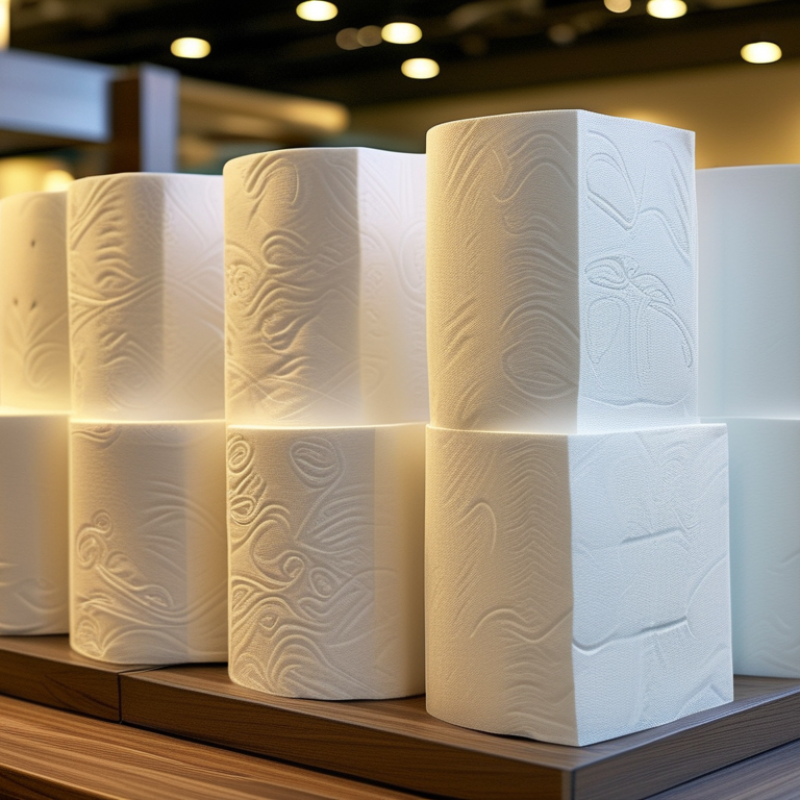
Understanding the Importance of Toilet Parent Rolls in Supply Chains
Toilet parent rolls play a crucial role in global supply chains. These rolls are essential for various industries, ranging from hospitality to healthcare. They provide a reliable source of hygiene and comfort, especially in high-traffic areas. Sourcing the right toilet parent roll is not just about quantity; quality matters significantly.
Understanding the supply need means recognizing the varied uses of toilet paper. Institutions require different sizes and thicknesses based on their specific demands. This necessity can sometimes lead to procurement challenges. Suppliers must balance quality with cost-effectiveness. A low-cost option might save money but could compromise user experience.
It is essential to evaluate suppliers based on their reliability and response time. Some may promise quick deliveries but fail to meet required standards. This inconsistency can disrupt operations and taint the end-user experience. Reflection on past orders can help refine future supply choices. Investing time in selecting the best option mitigates these risks.
Key Factors to Consider When Choosing Toilet Parent Rolls for Production
When selecting toilet parent rolls for global supply needs, several key factors emerge. The type of material used significantly affects performance. A report by Smithers Pira indicates that tissue paper production reached 40 million tons in 2020. This underlines the necessity for durable, high-quality raw materials in production.
Sustainability is another crucial factor. Eco-friendly options are increasingly favored in the industry. According to the International Paper Association, 62% of consumers prefer products made from recycled materials. This trend highlights a growing demand for environmentally responsible sourcing practices.
Cost is also a consideration in production. Raw material prices can fluctuate based on market conditions. An analysis by the World Bank projected a 5% increase in pulp prices. Adapting to such changes is vital for maintaining competitive pricing while ensuring product quality. The balance between cost and quality is often delicate and requires ongoing assessment. These elements combine to create a complex decision-making landscape for manufacturers navigating the global supply chains in the toilet paper industry.
How to Choose the Best Toilet Parent Roll for Global Supply Needs?
| Factor | Description | Importance Level | Recommended Specifications |
| Material Quality | Durability and comfort during use, impact on environmental footprint. | High | Recycled fibers, 100% biodegradable. |
| Roll Size | Impacts usage efficiency and frequency of replacement. | Medium | 9 inches in diameter, 4 inches core size. |
| Ply Count | Affects softness and absorption capacity. | High | 2-ply or 3-ply for better performance. |
| Sourcing Location | Affects supply chain reliability and costs. | High | Local sourcing preferred for reduced logistics issues. |
| Cost | Total expense incurred in production, affects budget allocation. | Medium | Competitive pricing without compromising quality. |
Comparative Analysis: Different Materials Used in Toilet Parent Rolls
When selecting the ideal toilet parent roll, understanding the materials is crucial. Several options exist, including virgin pulp, recycled paper, and bamboo. According to industry reports, toilet rolls made from virgin pulp tend to be softer and more absorbent. In contrast, recycled paper rolls offer a more eco-friendly choice, though they may lack some softness. Bamboo, a newer contender, provides a balance between sustainability and quality.
Tips: Consider your target audience's preferences. A softer roll may be more appealing in hospitality settings, while recycled options could resonate better with environmentally conscious consumers.
Additionally, the manufacturing process impacts the product’s durability. High-quality rolls typically have high tensile strength, meaning they hold up well under pressure. A report by the American Forest & Paper Association indicates that about 33% of toilet paper sold in 2022 was made from recycled materials. This reflects a growing market trend. However, not all recycled products maintain the same quality standards, which can lead to consumer dissatisfaction.
Tips: Test various materials before making bulk purchases. This step helps ensure you meet quality expectations while staying aligned with sustainable practices.
Comparative Analysis of Toilet Parent Roll Materials
Sustainability: Assessing the Environmental Impact of Toilet Parent Rolls
When evaluating the environmental impact of toilet parent rolls, sustainability emerges as a key consideration. Many manufacturers claim eco-friendly practices, but reports reveal a more complex picture. For instance, surveys indicate that only 30% of toilet paper is made from recycled materials. The majority relies on virgin wood fibers, contributing to deforestation and habitat loss.
Adopting sustainable practices can significantly reduce the impact. Tips for choosing eco-friendly toilet rolls include selecting options made from 100% recycled materials. Look for certifications from environmental organizations that verify sustainable sourcing. Not every product labeled as “green” is genuinely sustainable. Scrutinize the supply chain and manufacturing processes.
One study revealed toilet paper production consumes nearly 140 billion gallons of water annually in the U.S. This level of consumption raises questions about our water usage. Brands must reflect on their resource management and environmental commitments. Encouragingly, alternatives such as bamboo fibers are gaining attention. These offer a rapid growth cycle and lower environmental footprint, yet they require broader industry acceptance for mainstream use.
Supply Chain Management: Ensuring Consistent Availability of Toilet Parent Rolls
In supply chain management, ensuring the consistent availability of toilet parent rolls is crucial. The demand for toilet paper has surged, with industry reports indicating a 30% increase in usage during peak times. This volatility necessitates careful planning and a responsive supply chain strategy. Companies must anticipate spikes in demand and act accordingly.
A critical factor in availability is supplier reliability. Research shows that companies relying on a diverse supplier base are 25% more likely to meet sudden increases in demand. This diversity helps mitigate risks associated with disruptions. However, some businesses struggle with coordination among suppliers, leading to inventory challenges.
**Tip:** Regular communication with suppliers can enhance responsiveness and ensure timely deliveries.
Another key aspect is inventory management. Companies often miscalculate their needs, resulting in shortages. A lean inventory might reduce costs but risks running out. Industry experts recommend maintaining a balanced inventory level to meet immediate needs without overstocking. Striking this balance can be challenging but crucial.
**Tip:** Use data analytics to predict future demand patterns effectively. This can help avoid pitfalls related to misjudging market needs.