How to Choose Environmentally Friendly Packaging Solutions for Your Business?
The shift towards environmentally friendly packaging solutions is accelerating. According to a 2021 report by Smithers, the market for sustainable packaging is expected to reach $500 billion by 2026. As businesses acknowledge their impact on the planet, the demand for greener options grows. Consumers are increasingly choosing brands that prioritize sustainability.
However, choosing the right environmentally friendly packaging solutions can be complex. Many companies struggle with understanding available materials and their ecological impacts. Popular options like biodegradable plastics and recyclable materials often come with varying degrees of efficacy. Additionally, the cost implications can lead to hesitation.
Brands must reflect on their packaging choices. Are they prioritizing aesthetics over sustainability? Are they aware of all the options available? With thoughtful integration of green practices, businesses can not only enhance their brand image but also contribute positively to the environment. Being mindful of these factors is essential for making impactful decisions in packaging.
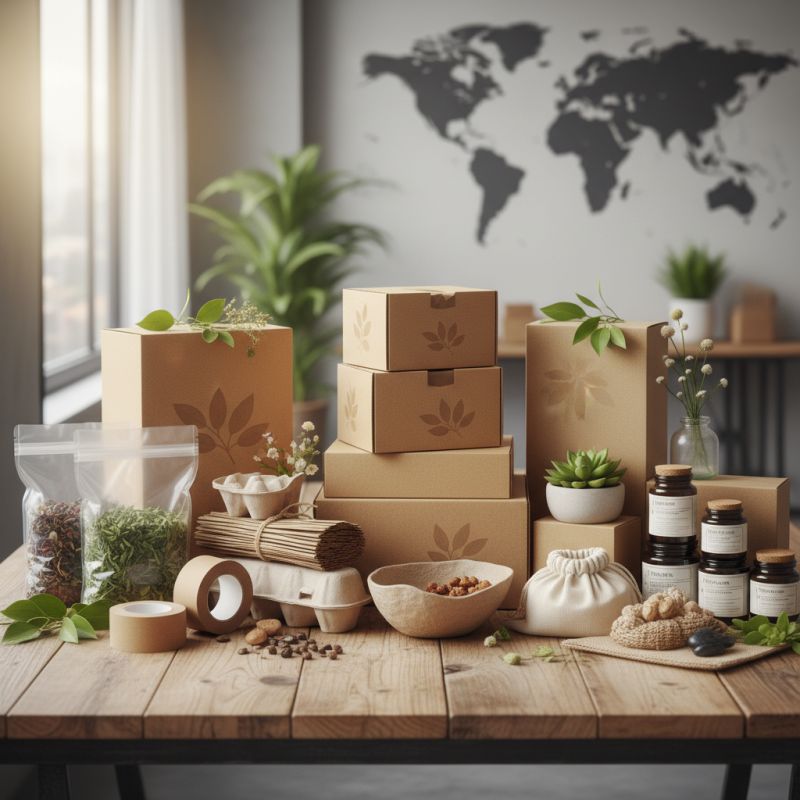
Understanding the Importance of Environmentally Friendly Packaging
When considering environmentally friendly packaging, the importance of sustainability cannot be overstated. Today’s consumers are more aware of their choices. They often prefer brands that demonstrate a commitment to the environment. This shift goes beyond trends; it's a vital aspect of modern business practices.
Choosing eco-friendly materials can reduce waste. Biodegradable options break down naturally, easing the burden on landfills. Consider using recycled materials. They can lower your carbon footprint. Packaging that uses less material can also save resources. Think about the size and shape of your packaging. Minimalistic designs can be both functional and appealing.
Tips: Prioritize sourcing from local suppliers. This can cut transportation emissions. Evaluate your current packaging and find areas for improvement. Engage with customers about their preferences. Their insights can guide you toward better solutions. Reflect on your choices and the impact they have; every small step counts in the journey toward sustainability.
How to Choose Environmentally Friendly Packaging Solutions for Your Business?
| Packaging Type |
Materials Used |
Recyclability |
Biodegradability |
Sustainability Rating |
| Kraft Paper |
Recycled paper |
Yes |
Yes |
High |
| Bioplastic |
Plant-based materials |
Yes |
Yes |
Medium |
| Glass |
Recycled glass |
Yes |
Yes |
High |
| Cardboard |
Recycled cardboard |
Yes |
Yes |
High |
| Mushroom Packaging |
Mycelium and agricultural waste |
Yes |
Yes |
Very High |
Assessing Your Business's Specific Packaging Needs
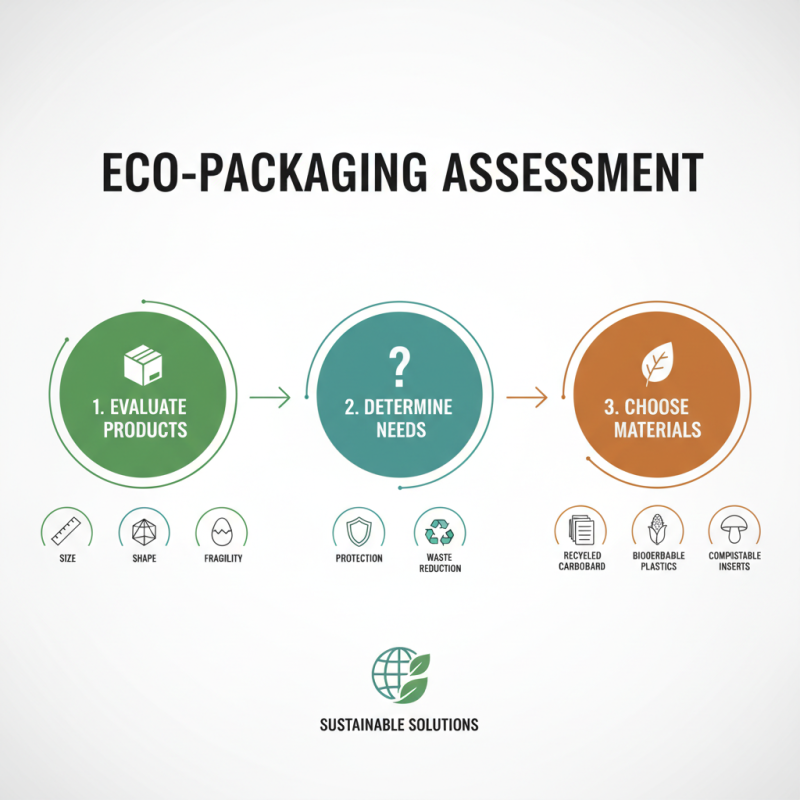
Assessing your business's specific packaging needs is crucial for selecting environmentally friendly solutions. Start by evaluating the products you offer. Consider their size, shape, and fragility. This assessment will guide you in choosing materials that protect your items while minimizing waste.
Tips: Use biodegradable materials when possible. They break down naturally, reducing landfill impact. Also, consider packaging that can be reused or recycled. It's not just about materials; it's about the entire lifecycle.
Look at your customer base. What are their values? Eco-conscious customers prefer sustainable packaging. Your choices affect their purchasing decisions. Sometimes, cheaper options may harm your brand. The right packaging can enhance your company image, but it requires reflection on your practices.
Strive for a balance between cost-effectiveness and sustainability. Monitor your packaging usage regularly. Identify areas for improvement. It’s an ongoing journey. Small changes can lead to significant impacts over time.
Exploring Various Sustainable Packaging Materials
As businesses seek environmentally friendly packaging solutions, the choice of materials becomes crucial. Sustainable options have gained traction in recent years. A report from Smithers Pira predicts the market for sustainable packaging will reach $500 billion by 2024. This shift reflects growing consumer preferences for eco-conscious products.
Biodegradable plastics are an increasingly popular choice. They break down more quickly than traditional plastics. However, challenges remain. Not all biodegradable options decompose effectively. Many still require specific conditions, limiting their practical application. Businesses must assess material sourcing and disposal practices.
Another viable option is recycled paper and cardboard. These materials often come from post-consumer waste. The recycling process reduces landfill contributions significantly. Yet, not every paper product is made equally. Sometimes, harmful chemicals are used in coatings. Companies must evaluate not just the end product, but the entire lifecycle, including production processes.
Evaluating Suppliers and Their Sustainability Practices
When evaluating suppliers for environmentally friendly packaging, start by assessing their sustainability practices. Look for certifications that indicate adherence to environmental standards. Many suppliers offer eco-certificates, but not all are created equal. Examine the criteria they meet. It's essential to ensure they align with your business values.
Tips: Request transparency in the supply chain. Ask about materials used in their packaging. Understanding the sourcing of raw materials is crucial. Check if they utilize renewable resources. Consider their waste management strategy. These details can reveal much about their commitment to sustainability.
Look for long-term partnerships. Some suppliers may tout green practices but lack consistency. Ensure they have a history of improvements. Engaging with suppliers who continually evolve their practices is vital. Remember that there's no perfect supplier. Each option may have both strengths and weaknesses in sustainability.
Implementing and Testing Your Eco-Friendly Packaging Solutions
Implementing eco-friendly packaging solutions requires careful planning. Start by evaluating the materials you currently use. Can they be replaced with more sustainable options? Consider
biodegradable,
compostable, or
recycled materials. Testing these new choices is key. Conduct small-scale trials to see how they hold up.
Gather feedback from your team and customers. Are the new packages as durable? Do they protect products effectively? Watch for any negative impacts on the unboxing experience.
This insight is crucial for making informed decisions.
Monitor the performance of your eco-friendly packaging over time. Are there areas for improvement? Adapt your strategies based on the data collected.
Being open to adjustments helps refine your approach. Challenge your assumptions and remain flexible. With each iteration,
you move closer to optimal solutions.