How to Choose the Best US Packaging Solutions for Your Business?
Choosing the right US packaging solutions is crucial for any business. It impacts your product's safety, presentation, and overall success. Many companies struggle to find the best fit. Different industries have unique needs that require tailored solutions. A thorough understanding of these requirements can guide decision-making.
Consider factors like material, size, and design. High-quality packaging can elevate a brand's image. Yet, many businesses overlook the importance of sustainability. Eco-friendly options are becoming more popular among consumers. Choosing packages that reflect ethical values can set you apart.
Finally, it’s essential to compare suppliers. Issues may arise, such as delays or quality inconsistencies. Researching and vetting potential partners can prevent these problems. Evaluating customer reviews is an excellent way to assess reliability. As you navigate this landscape, remember that the right US packaging solutions can enhance your brand's reputation and customer satisfaction.

Understanding Your Packaging Needs Based on Product Specifications
When choosing packaging solutions, understanding your product specifications is crucial. Different products have unique shapes, sizes, and fragilities. For example, a delicate electronic device needs cushioning to prevent damage. Consider how your product will be stored and shipped. Will it face rough handling? This impacts both material and design choices.
Material selection also plays a significant role. Eco-friendly materials are gaining popularity. They not only reduce environmental impact but also meet consumer demand for sustainability. However, these materials may not always provide the required durability. Reflect on whether you prioritize sustainability or protection. Finding a balance is key.
Think about the visual aspects of your packaging. Colors and designs should reflect your brand identity. This enhances market appeal. However, avoid overcomplicating the design. It may lead to increased costs without significant benefits. Regularly revisiting your packaging choices helps align with changing market trends and customer preferences. This process can be challenging but is vital for your business.
Evaluating Different Packaging Materials and Their Benefits
When selecting packaging materials, it's essential to consider their benefits and suitability for your business. Cardboard is a popular choice; it's lightweight and recyclable. Many businesses appreciate its versatility for various products. However, it may not always provide the highest protection. For fragile items, bubble wrap or foam inserts are often necessary, adding to the overall cost.
Plastic is another common material. It's durable and resistant to moisture, making it ideal for food items. However, the environmental impact of plastic cannot be overlooked. While some types are recyclable, many end up in landfills. This dilemma raises questions about sustainability and brand responsibility.
Glass packaging represents a higher-end option, often appealing to consumers seeking premium products. It's completely recyclable, yet its weight can increase shipping costs. Each material offers unique advantages and challenges, demanding careful evaluation. The best choice ultimately depends on the product, customer expectations, and environmental considerations. Keeping these factors in mind can guide businesses toward sustainable and effective packaging solutions.
How to Choose the Best US Packaging Solutions for Your Business?
| Packaging Material |
Benefits |
Common Uses |
Sustainability |
| Cardboard |
Lightweight, cost-effective, easy to print on |
Shipping boxes, retail packaging |
Recyclable and biodegradable |
| Plastic |
Durable, moisture-resistant, versatile |
Food containers, bottles, bags |
Recyclable (varies by type) |
| Glass |
Non-reactive, premium appeal, recyclable |
Beverage bottles, jars |
Recyclable and reusable |
| Foam |
Shock absorbent, lightweight, insulating |
Protective packaging, coolers |
Limited recycling options |
| Metal |
Durable, maintains freshness, premium look |
Cans, tins, containers |
Recyclable and highly sustainable |
Analyzing Cost-Effectiveness of Packaging Solutions for Businesses
When selecting packaging solutions, businesses must analyze cost-effectiveness carefully. Every penny counts. A well-chosen packaging solution can reduce waste and save on shipping costs. However, many businesses still overlook these crucial factors.
Maximizing material efficiency is vital. Packaging that fits products precisely minimizes wasted space. This also lowers shipping costs. Durable materials might be more expensive upfront but can prevent damage. Reflecting on past packaging choices helps identify areas for improvement.
Businesses should think about sustainability too. Eco-friendly materials can attract more customers and may reduce long-term costs. Analyzing the total cost of ownership is essential. This includes not just the purchase price but potential savings over time. Balancing budget and quality often leads to better outcomes.
Investigating Sustainability in Packaging to Enhance Brand Image
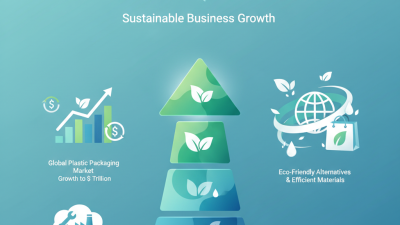
Sustainability is becoming a critical factor in packaging solutions. Businesses today face pressure to adopt eco-friendly practices. Consumers increasingly prefer brands that prioritize the environment. This shift is noticeable across multiple industries. Companies can enhance their brand image by choosing sustainable packaging options. For example, biodegradable materials reduce waste and appeal to eco-conscious customers.
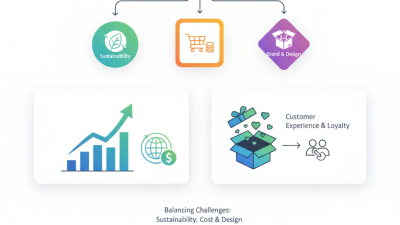
However, selecting the right sustainable packaging requires careful evaluation. It is essential to balance cost and environmental impact. Some businesses may struggle with high upfront costs for eco-friendly materials. Yet, these investments often lead to long-term benefits, such as increased customer loyalty and brand reputation.
Brands must also consider their entire supply chain. Working with suppliers who prioritize sustainability can amplify positive impacts. Regular assessments can help identify areas for improvement. Reflecting on current practices allows businesses to adapt and innovate. Staying informed about evolving regulations and consumer preferences is vital. Embracing sustainability can truly transform a brand’s image in a competitive market.
Selecting a Reliable Packaging Supplier Based on Industry Standards
Selecting a reliable packaging supplier based on industry standards is crucial for any business. According to the Packaging Association, about 70% of consumers acknowledge that packaging influences their purchasing decisions. Thus, the supplier you choose significantly impacts your brand perception.
When assessing potential suppliers, consider their certifications. ISO 9001 certifies quality management systems, while FSC certification ensures sustainable sourcing. These standards serve as benchmarks in the packaging industry. Data shows that companies employing sustainable practices have reported up to a 30% increase in customer loyalty. Reliable suppliers also maintain transparency about their processes. Understanding their supply chain can help you gauge their commitment to quality.
While seeking the right supplier, look for reviews and testimonials from other businesses. However, be cautious. Not all reviews are genuine. A critical approach can uncover potential pitfalls. Some suppliers might promise fast delivery but compromise quality. According to industry reports, around 20% of businesses experience disruptions due to unreliable packaging. Prioritizing standards in your selection process can mitigate such risks and enhance operational efficiency.