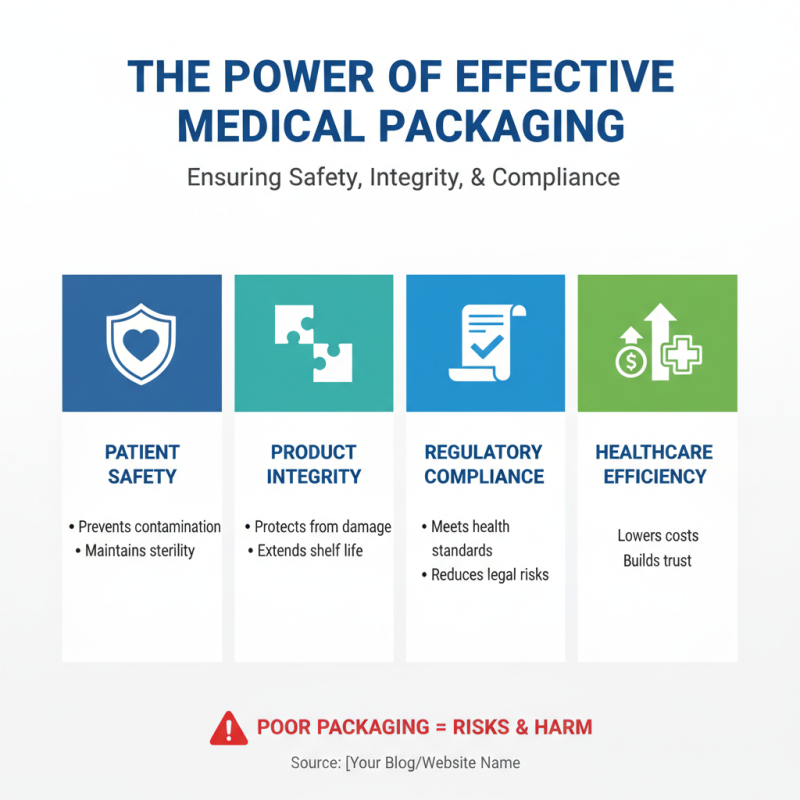
In the rapidly evolving healthcare landscape, effective medical packaging solutions are vital for ensuring the safety and integrity of medical products. As the global marketplace grows, the demand for high-quality packaging increases significantly. Innovations in materials and design can greatly enhance product protection and user experience.
The 139th Canton Fair will spotlight various sectors, including medical packaging. This event highlights advancements in manufacturing and technology. Attendees can discover the latest trends and innovations in the medical packaging industry. Companies showcasing their products must prioritize compliance with standards like ISO and CE certifications.
Yet, challenges remain. Many companies struggle to meet these standards consistently. This raises questions about quality control and supplier reliability. Adopting AI technologies can streamline procurement processes, but reliance on technology also brings risks. Ultimately, achieving effective medical packaging solutions requires continuous improvement and reflection on current practices.

Effective medical packaging solutions are crucial in today's healthcare industry. They ensure product safety and integrity while complying with regulations. Patients rely on these packages for their medications and medical devices. Poor packaging can lead to contamination or product degradation. This outcome could harm patients and increase costs for healthcare providers.
Using the right materials is vital. Packages must protect items from physical damage, moisture, and light. However, selecting materials can be tricky. Not every package meets the unique needs of all products. For instance, some materials may not be compatible with specific medications. This oversight can cause shelf life issues. Regular evaluations of packaging performance can help identify these flaws.
Training staff in packaging procedures is often overlooked. Employees should understand the importance of proper sealing and labeling. Mistakes can occur when they rush or lack adequate training. An effective feedback loop can improve practices. Collecting insights from users can highlight areas for improvement. Continuous learning is essential for refining medical packaging solutions.
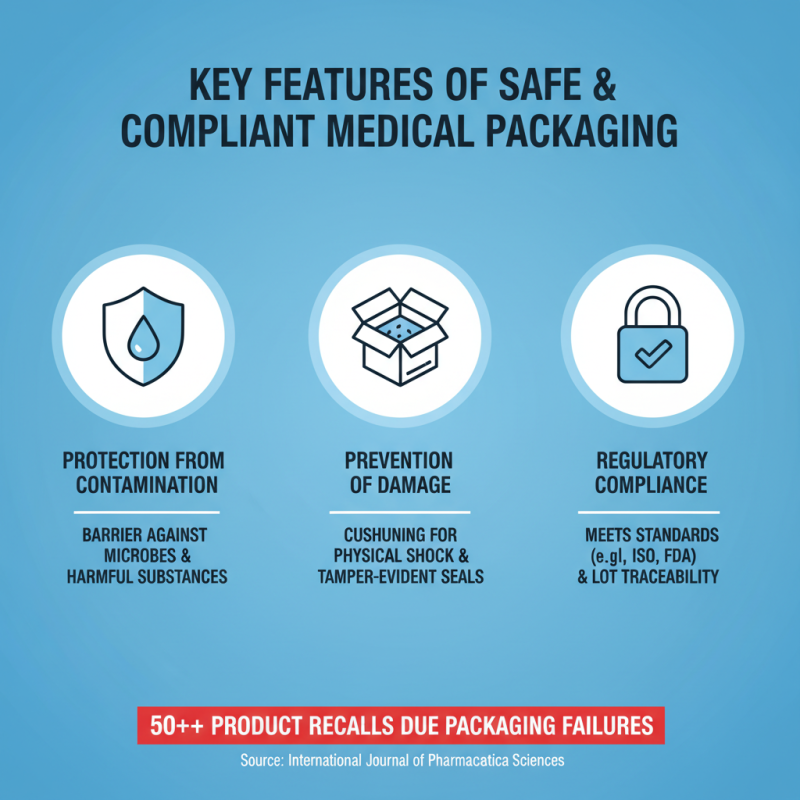
Effective medical packaging is crucial for ensuring safety and compliance. Key features must be prioritized. Packaging should protect products from contamination and damage. According to a report by the International Journal of Pharmaceutical Sciences, over 50% of product recalls result from packaging failures. This statistic highlights the need for robust packaging solutions.
Materials used in medical packaging must meet regulatory standards. Common approvals include ISO and ASTM certifications. A study showed that compliant packaging can reduce the risk of infection by up to 70%. However, many manufacturers overlook these standards. Using non-compliant materials can lead to severe consequences for patient safety.
Design is as important as materials. Packaging must be user-friendly and allow easy access. Confusing designs can lead to medication errors. The FDA emphasizes that well-designed packaging plays a role in safe usage. Yet, 30% of users report difficulties with current packaging solutions. There is a clear need for reflection on existing practices. Improving both design and compliance is essential for effective medical packaging solutions.
Selecting appropriate materials for medical packaging is critical. The right choice ensures product safety and maintains sterility. Recent studies highlight that 75% of medical products are packaged in plastic materials. Polyethylene and polypropylene are common choices. They provide good moisture barriers and mechanical strength. However, they may not always be the best option for every product type.
A significant challenge arises when balancing cost and performance. While high-performance materials often come at a premium, they do not guarantee better outcomes. According to a report by Smithers Pira, more than 30% of cases involve product failures linked to packaging inadequacies. Moreover, improper material choices can lead to contamination risks. Packaging must protect against environmental factors while being easy to handle.
Innovations in bioplastics show promise. They offer sustainable alternatives without sacrificing quality. Yet, many manufacturers hesitate to adopt new materials due to uncertainty. Up to 40% express concerns regarding functionality and reliability. This skepticism is understandable but can hinder progress towards safer medical packaging. The industry must embrace change while ensuring standards are met. For optimal medical packaging performance, an open mind towards material innovation is essential.
The role of sterilization in medical packaging integrity cannot be overstated. Proper sterilization ensures that medical devices remain free from harmful microorganisms. It is essential for patient safety. However, achieving effective sterilization can be a complex process. Factors such as material compatibility and packaging design play a crucial role.
One tip for effective medical packaging is to choose materials that withstand sterilization processes, like ethylene oxide or gamma radiation. These materials help maintain the integrity of the packaging while ensuring sterility is preserved. Another important aspect is validating the sterilization process. Regular checks and balances can prevent contamination. Packaging that fails to undergo appropriate sterilization may compromise patient health.
Be mindful of packaging design. Simple, clear designs often work best. They allow for easy opening and reduce the risk of contamination during use. Testing the durability of the package under stress conditions also reveals potential weaknesses. A package might look perfect but fail under pressure. Regular assessments can help identify those critical flaws before they become a risk.
This bar chart illustrates the importance level of various features in medical packaging solutions, focusing on how sterilization and other factors contribute to packaging integrity and overall effectiveness.
In recent years, sustainable practices in medical packaging have gained traction. Eco-friendly materials are now essential for reducing waste. Designers must prioritize recyclable and biodegradable options. This shift not only protects the environment but also meets regulatory standards. An increasing number of healthcare facilities demand greener solutions. However, this transition can be challenging. Many manufacturers struggle to balance cost and sustainability.
Designing for sustainability involves creativity and innovation. Using lightweight materials can reduce transportation emissions. Implementing efficient packaging designs may also minimize material use. Yet, finding the right balance is often complex. Some companies may prioritize cost over ecological impact, leading to wasteful practices. The challenge lies in creating effective packaging that remains functional and user-friendly.
Real success requires collaboration across the supply chain. Stakeholders must work together to share best practices. Regular feedback from end users can help refine existing solutions. Addressing shortcomings is vital for continual improvement. Emphasizing transparency in packaging processes can build trust. By focusing on genuine sustainability, the medical industry can make a meaningful difference.
| Tip Number | Tip Description | Sustainability Aspect | Implementation Example |
|---|---|---|---|
| 1 | Use biodegradable materials for packaging. | Reduces plastic waste. | Biodegradable plastics made from cornstarch. |
| 2 | Implement minimal packaging designs. | Lowers material consumption. | Using smaller boxes for shipments. |
| 3 | Utilize reusable packaging solutions. | Encourages product returns. | Returnable containers for surgical instruments. |
| 4 | Switch to smart packaging technology. | Enhances tracking and safety. | QR codes for product information. |
| 5 | Choose suppliers with sustainable practices. | Supports eco-friendly supply chains. | Certified green suppliers. |
| 6 | Optimize transportation logistics. | Reduces carbon footprint. | Combining shipments to reduce trips. |
| 7 | Design for end-of-life recyclability. | Facilitates recycling processes. | Clear recycling symbols on packaging. |
| 8 | Educate staff on sustainable practices. | Promotes a culture of sustainability. | Workshops on eco-friendly materials. |
| 9 | Regularly assess packaging impact. | Encourages continuous improvement. | Annual sustainability reporting. |
| 10 | Incorporate feedback from end-users. | Enhances user satisfaction and usability. | User surveys on packaging convenience. |