Top European Packaging Solutions for 2025: Trends and Innovations
As the packaging industry evolves, the focus on sustainability, innovation, and efficiency continues to shape the landscape of European packaging solutions. By 2025, we can expect significant advancements that not only meet consumer demands but also align with environmental goals. This introduction sets the stage for an exploration of the trends and innovations that are emerging within the industry, emphasizing the role of European packaging solutions in promoting a more sustainable future.
In recent years, the shift towards eco-friendly materials and practices has gained momentum across Europe. Companies are increasingly prioritizing packaging that minimizes waste and reduces carbon footprints. Innovations in biodegradable materials, smart packaging technologies, and the circular economy are revolutionizing how products are packaged and delivered. These developments not only enhance the consumer experience but also reinforce the commitment to sustainability that is becoming essential in today’s market.
This article delves into the alluring possibilities that lie ahead in the realm of European packaging solutions. By examining key trends and groundbreaking innovations, we aim to provide insights into how the packaging sector is poised to adapt and thrive in the coming years, ultimately contributing to a more environmentally responsible and economically viable ecosystem.

Emerging Trends in European Packaging Solutions for 2025
The packaging industry in Europe is poised for significant transformation by 2025, driven by emerging trends and innovations. According to a recent report from Smithers Pira, the European packaging market is projected to reach €400 billion by 2025, reflecting an annual growth rate of around 2.5%. This growth is propelled by a heightened demand for sustainable packaging solutions, as consumers increasingly prefer eco-friendly options. Biodegradable and compostable materials are gaining traction, with a study by Euromonitor International indicating that 57% of consumers in Europe are willing to pay more for packaging that is recyclable or made from recycled materials.
In addition to sustainability, smart packaging technologies are becoming a crucial part of the market landscape. European manufacturers are increasingly incorporating technologies like RFID, QR codes, and NFC into packaging to enhance consumer engagement and convenience. A report by Mordor Intelligence highlights that the smart packaging segment is expected to grow at a CAGR of 10.5% from 2020 to 2025, reflecting its rising importance in the sector. These innovations not only provide value-added services such as real-time tracking and inventory management but also help in reducing waste through better supply chain efficiencies. As the European packaging industry navigates these trends, companies that prioritize sustainability and technological integration will likely lead the market by 2025.
Emerging Trends in European Packaging Solutions for 2025
Sustainable Materials Revolutionizing Packaging Practices
The packaging industry is undergoing a significant transformation as businesses increasingly adopt sustainable materials to align with environmental goals. By 2025, we can expect a broader shift towards biodegradable plastics, recycled materials, and innovative alternatives derived from natural resources. These sustainable materials not only reduce environmental impact but also cater to consumer demand for eco-friendly products and practices. As more companies commit to sustainability, we will likely see a rise in the use of materials such as plant-based bioplastics, paperboard, and other renewable resources that minimize waste.
Tips for integrating sustainable materials:
1. **Conduct a Material Audit**: Assess your current packaging materials and identify which can be replaced with sustainable options. Consider lifecycle impacts to make informed choices.
2. **Collaborate with Suppliers**: Work closely with your supply chain partners to discover new sustainable materials that meet your packaging needs while also minimizing carbon footprints.
3. **Educate Your Team and Customers**: Raising awareness about the benefits of sustainable packaging can encourage more eco-conscious choices within your organization and among your customers.
As the packaging landscape evolves, innovative practices like minimized packaging and reusable designs will become crucial. The focus will not only be on using sustainable materials but also on implementing circular economy principles that foster a closed-loop system. This shift in mindset will drive broader adoption and create a positive impact on the environment, making sustainable packaging solutions a critical priority for businesses in the coming years.
Innovations in Smart Packaging Technologies
The rise of smart packaging technologies is at the forefront of innovation in the packaging industry, aiming to enhance product safety, sustainability, and consumer engagement. According to a report by Smithers Pira, the global smart packaging market is projected to reach $41 billion by 2025, reflecting a growth rate of over 7% annually. This growth is driven by increased consumer demand for interactive and sustainable packaging solutions, which allow brands to communicate more effectively with their customers.
Innovations such as QR codes, NFC (Near Field Communication) technology, and integrated sensors are transforming traditional packaging into interactive experiences. These technologies enable real-time tracking of products and provide valuable information about product freshness and origin, ultimately enhancing consumer trust. A report from Grand View Research indicates that the segment of active and intelligent packaging is expected to witness substantial growth, driven by advancements in materials science and digital connectivity. As businesses increasingly adopt these smart solutions, they not only improve efficiency in supply chains but also cater to environmentally-conscious consumers by reducing waste and enhancing recyclability.
Regulatory Impacts on Packaging Design and Materials
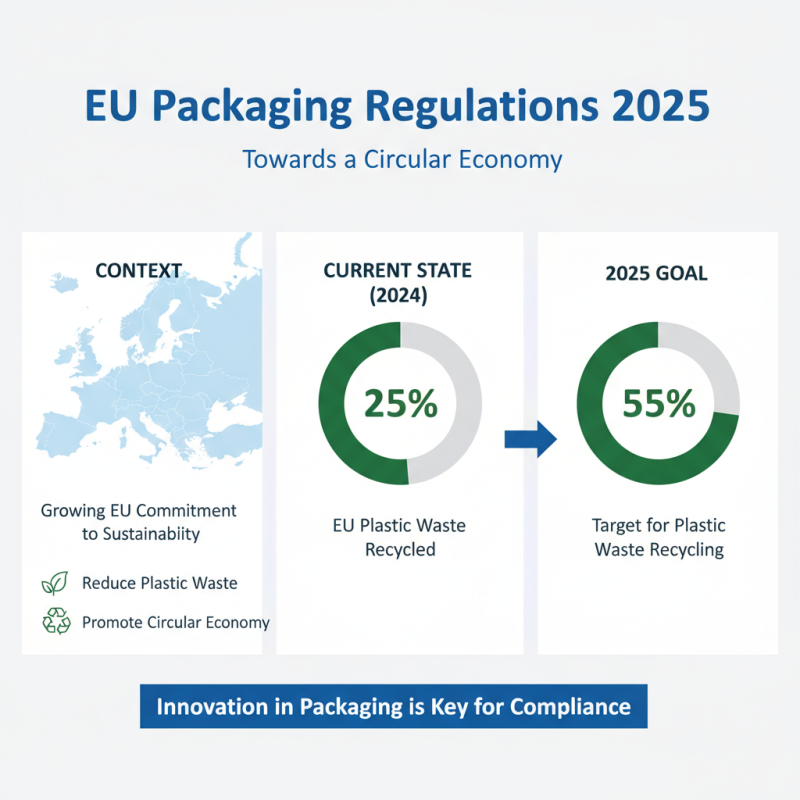
As we move towards 2025, regulatory impacts on packaging design and materials are becoming increasingly significant in Europe. The European Union's commitment to sustainability has led to stringent legislation aimed at reducing plastic waste and promoting circular economy principles. According to a report by the European Commission, approximately 25% of plastic waste in the EU is currently recycled, but the goal is to increase this figure to 55% by 2025. This shift necessitates that companies innovate their packaging solutions to comply with new regulations while maintaining product integrity.
In response to evolving regulations, many packaging designers are re-evaluating their materials and processes. The growing emphasis on biodegradable and compostable materials has prompted a surge in research and development within this sector. A study by Smithers Pira indicates that the global market for biodegradable packaging is expected to achieve a compound annual growth rate (CAGR) of 14.25% by 2025. This is driven by both regulatory pressures and consumer demand for environmentally friendly alternatives. Brands are now challenged not only to improve functionality and aesthetics but also to ensure that their packaging meets regulatory standards, which often requires a rethinking of traditional materials and design practices.
In addition to materials, labeling requirements are also under scrutiny. The EU's Packaging and Packaging Waste Directive mandates clearer labeling to aid consumer awareness regarding recyclability and proper disposal methods. A recent analysis from Packaging Europe highlights that brands that proactively adopt these changes not only comply with regulations but also gain competitive advantages in a market increasingly driven by sustainability values. As we approach 2025, the intersection of regulation and innovation will be crucial for the future of packaging in Europe.
Consumer Behavior Shaping Future Packaging Strategies
The evolving landscape of consumer behavior is fundamentally reshaping packaging strategies across Europe. As sustainability becomes a critical concern, consumers are gravitating towards environmentally-friendly options that minimize waste and reduce carbon footprints. Brands are responding by innovating with biodegradable materials, reusable packaging, and recyclable designs that cater to the eco-conscious consumer. This trend is not merely a passing phase; it reflects a significant shift in purchasing decisions where consumers are willing to pay a premium for sustainable packaging solutions.
Moreover, the rise of online shopping has further influenced packaging strategies, necessitating designs that ensure product safety during transit while also being visually appealing. Packaging must now serve a dual purpose, safeguarding the product while enhancing the unboxing experience, which has become a crucial part of the modern consumer journey. As social media amplifies consumer feedback, companies are increasingly seeking to create packaging that not only protects but also engages, telling a story that resonates with the target audience. This synergy between functionality and aesthetics is driving innovation and will continue to be a key factor in the packaging solutions of the future.
Top European Packaging Solutions for 2025: Trends and Innovations
| Packaging Trend |
Description |
Expected Impact |
Key Innovations |
| Sustainable Materials |
Increasing use of biodegradable and recyclable materials in packaging. |
Reduction of plastic waste and improved brand image. |
Innovations in compostable films, plant-based plastics. |
| Smart Packaging |
Integration of technology for tracking and consumer interaction. |
Enhanced product safety and consumer engagement. |
QR codes, NFC technology, and sensors. |
| Minimalist Design |
Focus on simple, clean designs that emphasize functionality. |
Improved shelf appeal and consumer recognition. |
Streamlined shapes and limited color palettes. |
| Personalized Packaging |
Custom packaging solutions tailored to individual consumer preferences. |
Increased customer loyalty and satisfaction. |
Variable print technologies and design options. |
| Reusable Packaging |
Encouraging consumers to return packaging for reuse. |
Reduced environmental impact and increased customer retention. |
Deposit return schemes and multi-use containers. |