How to Choose Pouching Machines in 2026?
Choosing pouching machines in 2026 requires more than comparing speed, price, and impressive product brochures. A machine may advertise 120 pouches per minute, yet struggle with dusty powders, uneven granules, or changing film thickness. Real performance depends on your product, pouch format, factory conditions, and operators. Small details matter. Film tension. Seal temperature. Cleaning access.
John D. Henry, a respected packaging machinery specialist and author of The Packaging Machinery Handbook, offers a practical reminder: “The best machine is not always the fastest machine.” That principle remains highly relevant for modern pouching machines. A reliable system should match your actual production rhythm, not an ideal laboratory figure. Check fill accuracy, sealing strength, changeover time, spare-parts availability, and technical support before signing a purchase agreement.
Manufacturers should also examine automation compatibility. Can the machine connect with multihead weighers, metal detectors, checkweighers, printers, and case packers? Does its control system provide useful production data? Ask for trials using your real product and packaging film. Request evidence, not optimistic promises.
There is no perfect choice.
Sometimes, a simpler pouching machine delivers better long-term value. A highly automated model can become expensive when trained technicians or replacement components are unavailable. My own caution is straightforward: specifications rarely reveal maintenance frustration at 2 a.m. This guide explains how to compare pouching machines carefully, reduce avoidable risks, and choose equipment that supports dependable production in 2026 and beyond.
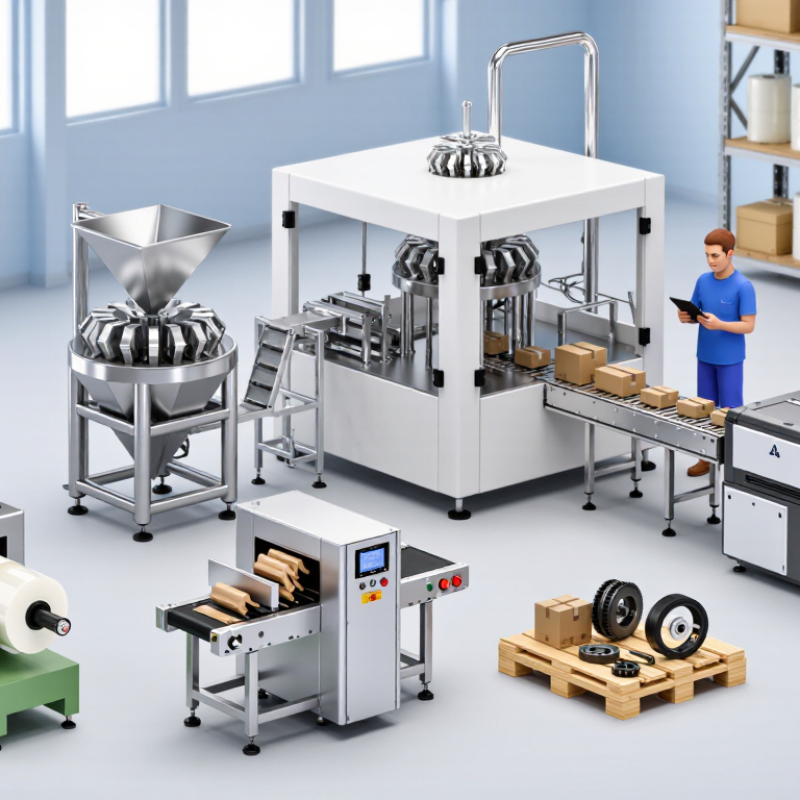
Table of Contents
[Hide]
Pouching Machine Basics and the Packaging Needs They Address
How to Choose Pouching Machines in 2026?
Pouching Machine Basics and the Packaging Needs They Address
A pouching machine forms, fills, and seals flexible packages. Its value depends on product behavior, not appearance alone. Powder may bridge inside the filling tube. Liquid can splash across the seal area. Granules often need controlled dosing to prevent weight variation. These details should guide machine selection.
Grand View Research valued the global flexible packaging market at approximately USD 283.37 billion in 2023. It also projects a 4.7% compound annual growth rate from 2024 to 2030. This expansion increases demand for adaptable pouching equipment. Buyers should compare changeover time, filling accuracy, sealing temperature control, and film compatibility. A machine running 80 pouches per minute may still perform poorly if cleaning takes hours.
PMMI’s 2024 Flexible Packaging Market Assessment identifies automation, labor availability, and sustainability as important packaging pressures. In practice, servo-driven dosing and accessible components can reduce operator strain. Recyclable films may require different sealing windows. Test them before purchase. Too many specifications look impressive on paper. I have seen equipment selected for maximum speed, then limited by unstable film feeding. That mistake deserves more attention. A practical trial should measure seal strength, waste, downtime, and real product accuracy, not only the advertised output.
How to Choose Pouching Machines in 2026? - Pouching Machine Basics and the Packaging Needs They Address
| Machine Category | Typical Output Range | Common Pouch Formats | Suitable Product Types | Main Packaging Need Addressed | Typical Filling Accuracy | Key Selection Considerations |
|---|---|---|---|---|---|---|
| Premade Pouch Machine | Approximately 20–80 pouches per minute, depending on pouch size, filling method, and product characteristics | Stand-up pouches, flat pouches, zipper pouches, spouted pouches, and shaped pouches | Snacks, powders, granules, liquids, sauces, pet food, and household products | Flexible packaging formats, frequent product changes, and premium pouch presentation | Typically ±0.5% to ±2%, depending on the dosing system and product flowability | Pouch dimensions, zipper or spout handling, product dust, changeover time, and sealing requirements |
| Vertical Form-Fill-Seal Machine | Approximately 30–120 bags per minute, depending on bag style, film width, and product properties | Pillow bags, gusseted bags, block-bottom bags, and four-side-seal bags | Rice, grains, snacks, powders, frozen foods, agricultural products, and industrial materials | High-throughput production using roll-fed flexible film | Typically ±0.5% to ±1.5% with suitable weighing or volumetric dosing equipment | Film behavior, sealing temperature, bag dimensions, dosing speed, and available floor space |
| Horizontal Form-Fill-Seal Machine | Approximately 30–150 packs per minute, depending on pack length, product loading, and sealing configuration | Three-side-seal packs, four-side-seal packs, sachets, and stick-style packs | Single-use powders, liquids, creams, wipes, medical products, and small food portions | Compact single-dose packaging and controlled portion sizes | Typically ±1% to ±3%, depending on the filling technology and product consistency | Product loading method, film structure, seal integrity, hygiene requirements, and dose size |
| Multi-Lane Sachet Machine | Approximately 100–1,200 sachets per minute, depending on the number of lanes and sachet format | Small three-side-seal sachets, four-side-seal sachets, and stick packs | Sugar, salt, sauces, cosmetics, pharmaceutical powders, and single-use samples | Very high output for low-dose products and promotional sample packaging | Typically ±1% to ±3%, subject to the dosing system, dose size, and product uniformity | Lane count, dose range, film registration, cleaning access, and synchronization of filling stations |
| Premade Pouch Liquid Filler | Approximately 15–60 pouches per minute, depending on viscosity, fill volume, and pouch opening design | Stand-up pouches, spouted pouches, flat pouches, and zipper pouches | Sauces, detergents, beverages, personal-care liquids, and viscous food products | Leak-resistant liquid packaging with convenient dispensing and resealing | Typically ±0.5% to ±1.5%, depending on pump, piston, or flow-meter filling technology | Viscosity, foaming, temperature, drip control, sanitation, and seal contamination prevention |
| Powder Pouch Machine | Approximately 20–80 pouches per minute, depending on auger size, dose weight, and dust-control measures | Flat pouches, stand-up pouches, sachets, and stick packs | Coffee, flour, spices, nutritional powders, detergents, and pharmaceutical powders | Controlled dosing of fine, dusty, or cohesive products | Typically ±1% to ±3%, depending on powder density, flowability, and auger configuration | Dust extraction, auger design, product segregation, hopper agitation, and cleaning procedures |
| Granule and Multihead Weigher System | Approximately 30–100 weighments per minute, depending on target weight, product size, and machine configuration | Pillow bags, gusseted bags, stand-up pouches, and premade bags | Nuts, confectionery, snacks, frozen vegetables, hardware, and other free-flowing solids | Accurate combination weighing for products with varied piece sizes | Often within ±0.5% to ±1%, depending on target weight and product variability | Number of weigh heads, target weight, product fragility, drop height, and integration with conveyors |
| Continuous Band-Sealing Machine | Approximately 8–25 meters of film per minute, depending on bag size and sealing conditions | Open-mouth plastic bags, lined paper bags, foil bags, and polyethylene pouches | Powders, grains, pet food, chemicals, and general industrial products | Simple, economical sealing after manual or automated filling | Filling accuracy depends on the upstream filling equipment | Bag material, seal width, seal temperature, conveyor load, print coding, and required seal strength |
Selection Note:
Actual speed and accuracy depend on pouch dimensions, product characteristics, film structure, filling technology, sealing conditions, operator skill, and the required quality-control system.
Related Posts
-
What Are Packaging Machines and How Do They Work?
-
What is Packaging Equipment and How Does It Work?
-
What is Packaging Equipment and How Does It Impact Industries?
-
Top Food Packaging Solutions Tips for Global Buyers?
-
What Is Packaging Equipment Solutions?
-
China Top 10 Bakery Packaging Equipment Manufacturers?