Why Sustainable Packaging Solutions Are Essential for Your Business Success
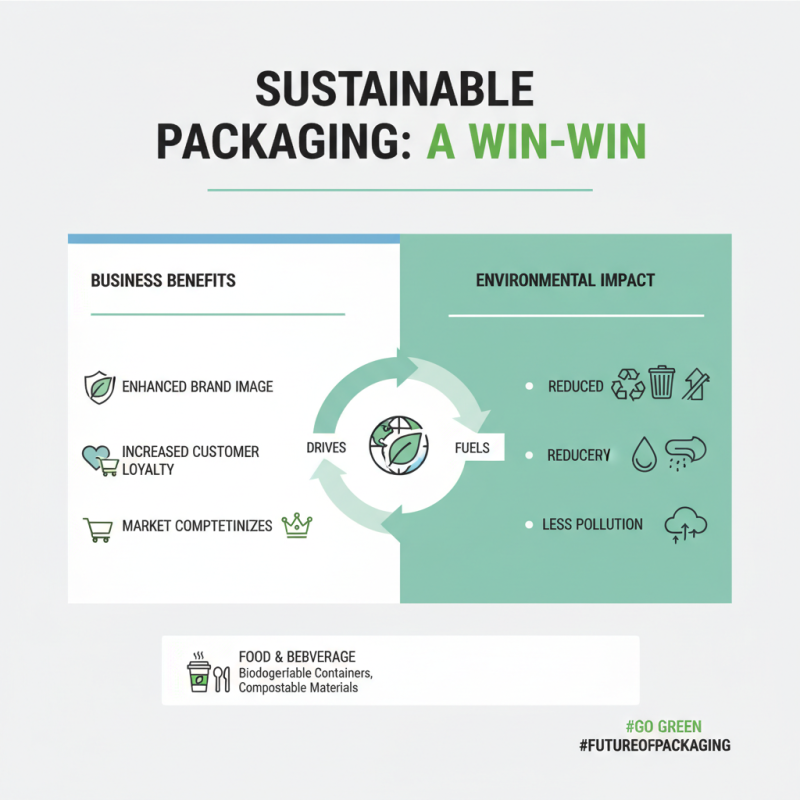
In today's rapidly evolving market, the demand for sustainable practices has become a central focus for businesses striving for success. Sustainable packaging solutions have emerged as a crucial component of this movement, enabling companies to make environmental responsibility an integral part of their operations. As consumers increasingly prioritize eco-friendly products, businesses that fail to adopt sustainable packaging may find themselves at a competitive disadvantage. Incorporating these solutions not only enhances brand image but also fosters customer loyalty and drives innovation.
The transition to sustainable packaging solutions goes beyond mere compliance with regulations; it reflects a company's commitment to sustainability and social responsibility. By utilizing materials that minimize environmental impact, businesses can reduce waste, conserve resources, and lower their carbon footprint. This shift not only supports the environment but also meets the growing consumer expectation for transparency and ethical practices.
Ultimately, integrating sustainable packaging solutions is not just an ethical choice; it is a strategic business decision that can lead to long-term growth. As businesses navigate the complexities of today’s marketplace, those who embrace sustainable packaging will not only bolster their brand reputation but also pave the way for a more resilient and sustainable future.

The Growing Demand for Sustainable Packaging in 21st Century Markets
In the 21st century, businesses are increasingly recognizing the importance of sustainable packaging solutions as consumer awareness about environmental issues grows. Today, customers seek products that align with their values, compelling companies to rethink their packaging strategies. Sustainable packaging not only reduces the ecological footprint but also enhances brand image, helping businesses stand out in competitive markets. With an escalating interest in eco-friendly practices, companies that innovate in their packaging can effectively attract a more conscientious customer base.
Tips for transitioning to sustainable packaging include evaluating your current materials and sourcing biodegradable or recyclable options. Consider partnerships with suppliers who prioritize sustainability, ensuring that your packaging aligns with your overall business ethos. Additionally, engage your customers by communicating the environmental benefits of your new packaging solutions. Educating your audience can foster loyalty and encourage them to share their positive experiences with others.
Moreover, it is essential to stay updated on the latest sustainable packaging trends and technologies. This proactive approach will not only keep your brand relevant but also provide opportunities for continuous improvement. By integrating sustainable practices into your packaging strategy, you position your business for long-term success in a marketplace that increasingly values eco-conscious decisions.
Growing Demand for Sustainable Packaging Solutions
The following chart illustrates the increasing demand for sustainable packaging solutions across various industries in the 21st century. The data reflects the percentage of companies adopting sustainable packaging practices from 2018 to 2023.
Economic Benefits of Switching to Sustainable Packaging Solutions
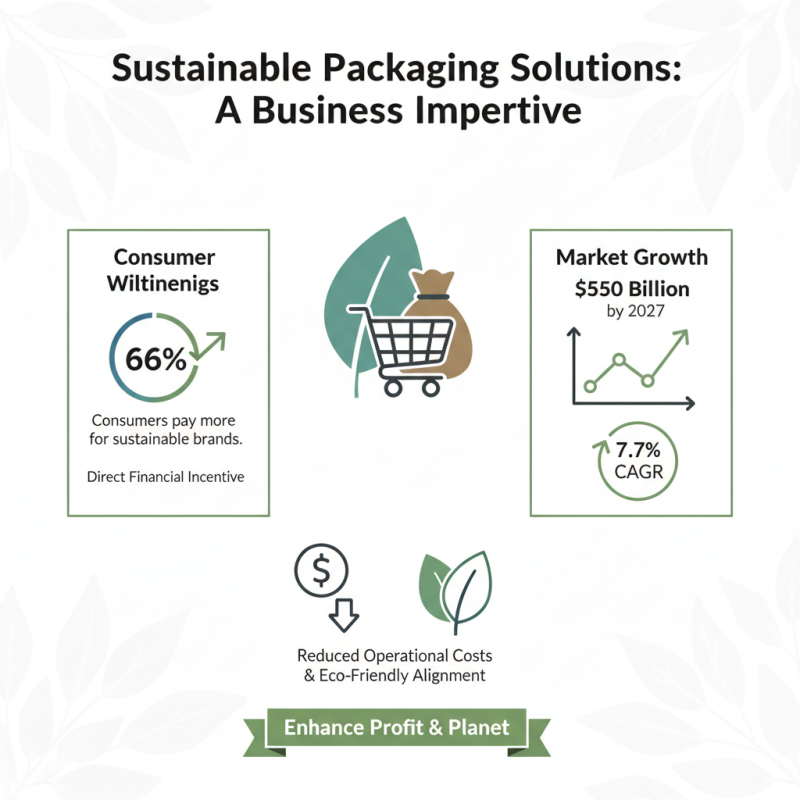
Sustainable packaging solutions have become a focal point for businesses aiming to enhance their economic performance while addressing environmental concerns. Research indicates that around 66% of consumers are willing to pay more for sustainable brands, translating to a direct financial incentive for companies to shift towards eco-friendly packaging options. By adopting sustainable practices, businesses not only align themselves with evolving consumer preferences but also reduce operational costs in the long run. The global sustainable packaging market is projected to reach $550 billion by 2027, growing at a CAGR (compound annual growth rate) of 7.7%, highlighting the increasing demand for eco-conscious packaging solutions.
In addition to consumer affinity, switching to sustainable packaging can significantly reduce waste management costs. Companies can achieve this by utilizing biodegradable materials or innovative designs that minimize material usage. According to a report by Smithers Pira, businesses could save up to 15% on their packaging costs by implementing more efficient, sustainable practices, which can also result in a decreased carbon footprint. Furthermore, regulatory frameworks are becoming increasingly stringent, making it imperative for businesses to adapt to sustainable packaging solutions not only to comply with laws but also to capitalize on potential tax benefits associated with sustainable initiatives. As environmental sustainability continues to be a critical driver in market competitiveness, the economic benefits of switching to sustainable packaging are undeniable.
Impact of Eco-Friendly Packaging on Consumer Purchasing Decisions
In today's market, eco-friendly packaging has become a significant factor influencing consumer purchasing decisions. According to a study by Nielsen, 73% of global consumers are willing to change their consumption habits to reduce their environmental impact. This shift in consumer behavior highlights the importance of sustainable packaging as not only a marketing tool but also a necessity for modern businesses. As more consumers prioritize sustainability, brands that adopt eco-friendly packaging practices are likely to attract a more conscientious customer base, thus enhancing their competitive edge.
Furthermore, a survey conducted by the flexible packaging association revealed that 60% of consumers are more likely to buy products in packaging that is environmentally friendly. This clear preference underscores the need for companies to invest in sustainable packaging solutions. Consumers are increasingly scrutinizing the lifecycle of products, from manufacturing to disposal, and they are more inclined to support businesses that share their values on sustainability. By integrating eco-conscious packaging solutions, companies not only meet consumer demands but also foster brand loyalty, as consumers feel good about supporting businesses that contribute positively to the environment.
Ultimately, as public awareness regarding environmental issues grows, the demand for sustainable practices will only intensify. Businesses that recognize and adapt to this trend will not only enhance their brand image but also position themselves for long-term success in an evolving marketplace.
Case Studies: Successful Brands Adopting Sustainable Packaging
Many brands have successfully transitioned to sustainable packaging, showcasing its positive impact on their business and the environment. For instance, several companies in the food and beverage sector have adopted biodegradable containers and compostable materials, significantly reducing waste. This shift not only enhances their brand image as environmentally responsible but also resonates with consumers increasingly concerned about sustainability. By implementing eco-friendly packaging, these brands have seen increased customer loyalty and enhanced market competitiveness.
Tips for adopting sustainable packaging include evaluating your current materials and choosing alternatives that are recyclable, biodegradable, or compostable. Additionally, consider investing in innovative designs that reduce material usage without compromising quality. Engaging your audience through transparent communication about your sustainability efforts can further strengthen customer relationships and brand trust.
Moreover, collaborating with suppliers who prioritize sustainability can enhance your supply chain's eco-friendliness. This partnership can lead to more sustainable sourcing and packaging solutions, showcasing a commitment to the environment and fostering a positive brand reputation. By making informed choices and continually assessing your packaging strategy, your business can thrive while contributing to a healthier planet.
Regulatory Trends and Their Influence on Sustainable Packaging Adoption
Regulatory trends are playing a pivotal role in the adoption of sustainable packaging solutions across various industries. With an increasing number of governments implementing stringent regulations aimed at reducing plastic waste, businesses are compelled to rethink their packaging strategies. According to a report by the Smithers Group, the global sustainable packaging market was valued at approximately $300 billion in 2021 and is expected to grow at a compound annual growth rate (CAGR) of 7.7% by 2026. This growth is largely driven by regulatory pressures that push companies to adopt eco-friendly materials that minimize environmental impact.
Additionally, initiatives such as the European Union's Single-Use Plastic Directive illustrate the urgency for compliance in packaging practices. This directive aims to ban a number of single-use plastic items, which could affect the packaging choices of many companies globally. Research from the Ellen MacArthur Foundation indicates that meeting these regulatory requirements not only helps in avoiding hefty fines but also enhances brand image and consumer trust. As more consumers prefer products packaged in environmentally friendly materials, businesses that align with sustainable practices are likely to gain a competitive edge in the marketplace. Therefore, understanding and adapting to regulatory trends is essential for any business aiming for long-term success in the sustainability space.