Packaging is no longer just a box around a product. Buyers must weigh protection, cost, shelf appeal, shipping efficiency, and end-of-life options. The scale is significant: UNEP’s 2023 report, Turning off the Tap, says packaging represents about 36% of all plastic produced. The OECD’s Global Plastics Outlook reports that packaging generated 40% of plastic waste in 2019. These figures measure different things, but together they show why packaging choices deserve closer scrutiny.
This guide compares ten packaging solutions, from corrugated cartons and molded fiber to flexible films, reusable systems, and smart labels. It considers where each option works, what trade-offs buyers should expect, and which questions to ask suppliers. Circular-economy advocate Ellen MacArthur’s guiding principle, “design out waste and pollution,” offers a useful lens for evaluating them. Yet a material’s label alone proves little. A recyclable package may still be hard to collect locally, while a heavier package can sometimes prevent product damage and replacement shipments. Details matter.
Buyers should look beyond unit price. Check protection during transit, package weight, material sourcing, available recovery systems, and evidence behind environmental claims. No single format fits every product. That is the honest part. The options ahead can help teams compare practical choices, but the best decision depends on the product, route, and real disposal infrastructure.
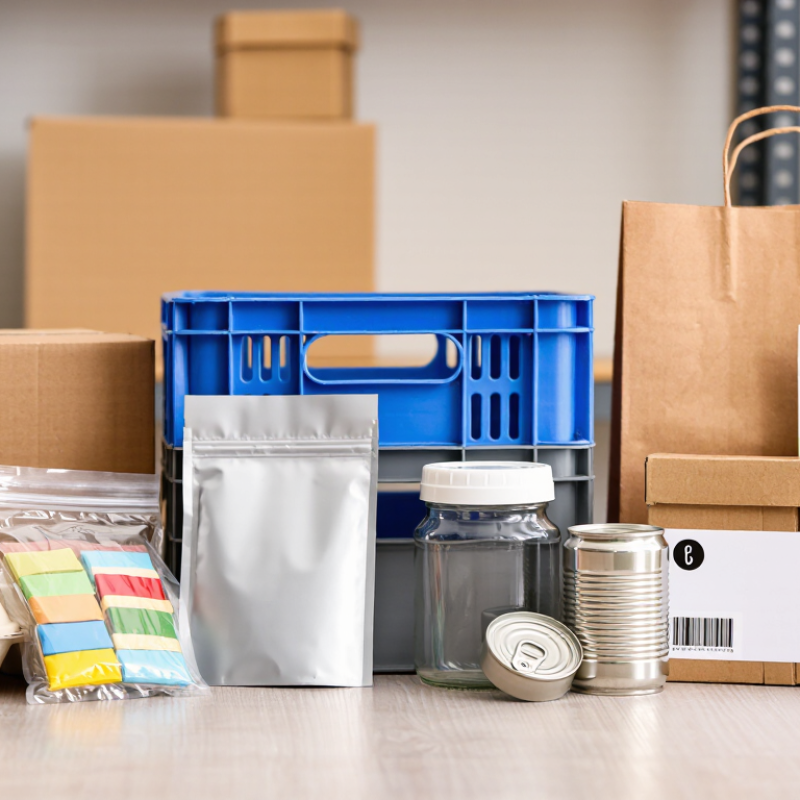
Packaging choice begins with product risk, not appearance. Ten common options serve different jobs: corrugated cartons, folding cartons, rigid boxes, mailers, flexible pouches, glass containers, metal cans, molded-pulp inserts, reusable totes, and insulated shippers. A ceramic mug needs impact protection. A dry snack may need a moisture barrier. The same package rarely suits both.
Map the journey before setting specifications. Note product weight, fragility, moisture, temperature, stacking time, and how often workers handle each unit. A carton that survives warehouse storage may fail after repeated parcel transfers. Measure pallet space and storage conditions, too. Ask suppliers for test samples, then check fit, seal strength, and opening effort with real users. Testing adds time. It can prevent costly repacking. No design is perfect: lighter packaging may be harder to stack, and stronger materials can add freight weight.
Tips: Match protection to the weakest point in the route. Keep labels readable after scuffing. Use only as much cushioning as testing supports. Confirm package dimensions against freight limits, and review damage reports after launch. Disposal instructions are easy to overlook; collection options can vary by destination. Recheck them before printing.
What Are the Top 10 Packaging Solutions for Buyers?
Criteria Buyers Use to Assess Packaging Solutions
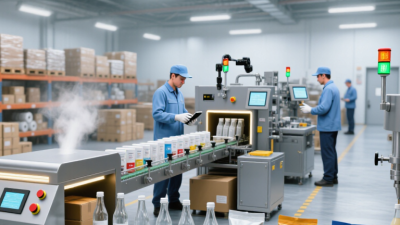
Buyers should judge packaging by how it performs in real use, not by a polished sample. Does it protect the product through vibration, stacking, moisture, and handoffs? Small tests matter. Check breakage, leakage, seal strength, and packing time using actual products and operators. Confirm that the format works with existing filling and labeling equipment. A carton that looks ideal can still slow a production line.
Compare total cost, not just the price per unit. Include freight volume, storage space, damage rates, and disposal costs. Ask suppliers for material specifications, sample packs, minimum order quantities, and test results. Then compare options under the same shipping conditions. Details get missed; I would revisit the assumptions before placing a large order.
End-of-life performance deserves careful scrutiny. The U.S. Environmental Protection Agency reported that containers and packaging generated 82.2 million tons of municipal solid waste in 2018, about 28.1% of the total. The OECD’s Global Plastics Outlook reports that only 9% of plastic waste was recycled worldwide in 2019. That figure covers plastic waste broadly, not every package. Buyers should check whether local collection systems accept the exact format, rather than relying on a recyclable label alone.
| Packaging Solution | Common Applications | Product Protection | Typical Cost Consideration | Sustainability Consideration | Key Buyer Assessment Criteria |
|---|---|---|---|---|---|
| Corrugated Boxes | Shipping cartons, e-commerce orders, and larger retail packs | Good cushioning and stacking performance when box strength and internal fit are appropriately specified | Generally economical for shipping; cost varies with board grade, size, printing, and order volume | Paper-based and recyclable where clean corrugated packaging is collected; coatings and contamination may affect recycling | Board strength, dimensions, stacking requirements, print quality, and fit with shipping operations |
| Folding Cartons | Food, cosmetics, pharmaceuticals, and consumer-product retail packaging | Provides structure and surface protection; often paired with an inner package for stronger barrier protection | Efficient for flat storage and high-volume production; setup and finishing choices affect cost | Typically paperboard; recyclability depends on local systems and on coatings, laminations, or attached components | Board grade, folding and filling performance, shelf presentation, print requirements, and required product information |
| Rigid Boxes | Premium gifts, electronics, and presentation-focused products | Strong shape retention and good protection against crushing; inserts may be needed to prevent movement | Usually higher material and assembly cost than folding cartons; complex finishes add expense | Paperboard components may be recoverable, but mixed materials, magnets, and laminations can complicate separation | Perceived quality, fit, opening experience, insert design, assembly labor, and ease of material separation |
| Flexible Pouches | Snacks, dry foods, powders, and some refill products | Can provide effective moisture, oxygen, or light barriers when the material structure and seals suit the product | Lightweight and space-efficient; material complexity and specialized barrier requirements influence cost | Some structures are difficult to recycle through conventional curbside systems, especially when made from multiple bonded layers | Barrier performance, seal integrity, shelf life, filling-line compatibility, material structure, and available collection options |
| Glass Bottles and Jars | Beverages, sauces, preserves, and products requiring a rigid container | Good barrier against gases and moisture; glass is rigid but can break during handling | Weight can increase transport costs; container, closure, and protective shipping requirements affect total cost | Glass can be recycled repeatedly without loss of material quality, where collection and processing are available | Product compatibility, breakage risk, weight, closure performance, recycled-content options, and transport distance |
| Aluminum Cans | Carbonated and non-carbonated beverages, and selected food products | Rigid, lightweight, and effective as a barrier to light and gases when correctly sealed | Production economics depend on can specifications, quantities, decoration, and filling requirements | Aluminum is widely recyclable in many regions; actual recovery depends on collection and recycling infrastructure | Can size, lining and product compatibility, seam integrity, filling-line fit, and local recovery rates |
| PET Bottles | Water, soft drinks, personal-care products, and household liquids | Lightweight and impact-resistant; barrier performance varies by bottle design and product requirements | Light weight can reduce shipping burden; resin, preform, closure, and label choices affect cost | PET bottles are collected and recycled in many markets, but availability and quality of recycling vary by location and design | Resin and recycled-content availability, product shelf life, bottle weight, closure compatibility, and local recycling guidance |
| Molded-Pulp Packaging | Protective inserts, food trays, and packaging for fragile products | Can cushion products and hold them in position when the molded shape is designed for the item | Tooling and shape complexity influence initial and unit costs; material can be shipped in formed or nested configurations | Often made from recovered paper or plant fibers; recyclability and compostability depend on additives and local facilities | Drop-test performance, moisture sensitivity, fit, surface finish, tooling cost, and end-of-life facilities |
| Protective Foam Inserts | Electronics, instruments, equipment, and fragile components | Can absorb shock and provide a close fit; performance depends on foam type, thickness, and product weight | Custom cutting or molding can add cost; lightweight inserts may reduce damage-related costs in transit | Recycling access varies by foam material and region; separation from other packaging is important | Cushioning performance, fit, cleanliness, material identification, reuse potential, and available recovery routes |
| Reusable Totes and Crates | Closed-loop distribution, retail replenishment, and repeated industrial shipments | Durable containers can protect goods across multiple trips when handled and maintained correctly | Higher upfront cost; total cost depends on return rates, cleaning, tracking, storage, and number of reuse cycles | Reuse can reduce demand for single-use packaging when return logistics are efficient and containers complete enough cycles | Container lifespan, reverse-logistics costs, return rate, sanitation needs, stackability, and loss or damage controls |
Assessment note: These are common packaging formats, not a universal ranking. Protection, cost, recyclability, and suitability depend on the product, package design, order volume, transport conditions, and local waste-management infrastructure.
Buyers can match ten common packaging solutions to different handling needs. Folding cartons suit cosmetics and small retail goods; corrugated boxes protect larger shipments. Flexible pouches work for snacks and refill products, while rigid plastic tubs and trays help with stacking and moisture control. Glass jars preserve product visibility and aroma. Metal cans provide strong light and oxygen barriers. Molded-pulp inserts cushion fragile items. Blister packs separate small components. Shrink film bundles products, and reusable totes support repeated warehouse transfers.
Material choice has real consequences. The OECD’s Global Plastics Outlook (2022) estimates that packaging generated 40% of plastic waste in 2019. UNEP’s Turning off the Tap (2023) reports that packaging accounts for about 36% of plastics produced. These figures make material weight, recovery options, and local collection systems practical buying criteria—not just marketing claims. A lightweight pouch may cut shipping bulk, but it can be difficult to sort when made from several layers.
Check pack dimensions, sealing needs, drop protection, and storage conditions with actual samples. A jar may look premium, yet add freight weight; a carton may stack neatly, yet need an insert. Trade-offs remain. Some specifications are less obvious than they seem. Compare total costs across packing, shipping, and disposal, then test the chosen format with real products before ordering at scale.
Ten common packaging solutions and their applications
Bars count the common application examples listed for each solution; they do not indicate market share, popularity, or a ranking. Hover over a bar to see examples.
Material, Protection, and Sustainability Trade-Offs
The ten options range from corrugated cartons and folding cartons to rigid boxes and paper mailers. Buyers also consider molded-fiber trays, glass, aluminum, flexible pouches, reusable totes, and insulated shippers. Each solves a different problem. None is best everywhere. Corrugated board cushions stacked goods, while glass preserves product quality but adds weight and breakage risk. Flexible pouches can use less material, yet may be difficult to recycle where collection systems are limited.
Match protection to the actual shipping journey. A light paper mailer may work for soft goods, but corners can crush during parcel handling. Rigid boxes look polished, though extra layers increase material use and freight volume. Reusable packaging makes sense when return routes are reliable; otherwise, it may simply become waste. Costs add up. I’d also question assumptions: a paper-based choice can disappoint if moisture exposure was underestimated. Check product weight, storage conditions, damage records, and local recycling access before choosing.
Tips: Request samples and test them with your real product. Drop-test filled packs, inspect seals, and compare shipping dimensions. Ask suppliers for material specifications, but verify practical performance yourself. Start with a small shipment. Then adjust cushioning or thickness based on observed damage, not appearance alone.
Choosing packaging starts with the product’s risks, not a catalogue. Is it fragile, moisture-sensitive, heavy, or shipped across several handling stages? A glass jar may need a molded-pulp insert, while a soft garment could travel safely in a lightweight mailer. Match protection to the actual journey. Too little cushioning invites damage; too much adds cost and waste. Fit matters.
Material choice deserves equal scrutiny. OECD’s Global Plastics Outlook reports that packaging generated about 40% of global plastic waste in 2019. That figure does not make plastic wrong for every application, but it makes end-of-life planning essential. Check whether local facilities accept the material, and avoid combining layers that are difficult to separate. Paperboard, corrugated boxes, molded fiber, reusable containers, and flexible films each suit different needs. There is no universal winner.
Then test the pack under realistic conditions: stack filled cartons, expose samples to humidity, and inspect corners after a representative drop test. The U.S. EPA estimated that containers and packaging made up 28.1% of U.S. municipal solid waste generation in 2018. The data is not recent, but it shows the scale of the design challenge. Record damage rates, packing time, and material weight during trials. A perfect lab result can still fail on a busy packing line. Recheck assumptions.