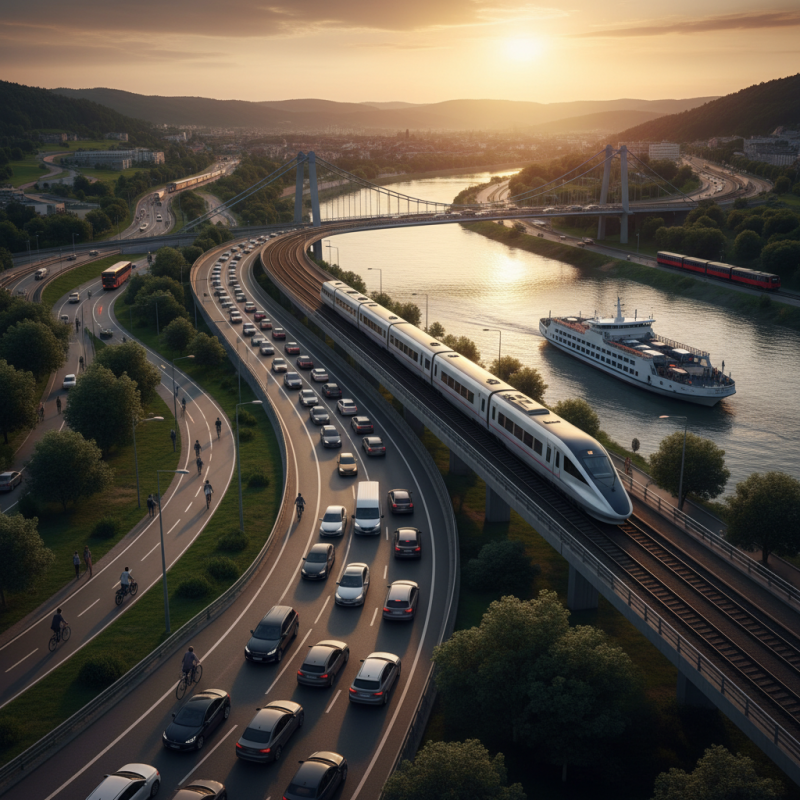
Top 10 Most Popular Transport Vehicles What Makes Them Essential?
Transport vehicles play a crucial role in our daily lives. They connect people, facilitate trade, and enhance mobility. In a world that values efficiency, the importance of these vehicles cannot be overlooked.
Consider the common car. It provides convenience for individuals and families. However, traffic congestion and pollution are pressing issues. Public transport options, like buses and trains, address these challenges but have their limitations. Sometimes, they lack coverage in rural areas.
Cycling and walking are alternatives that promote health and sustainability. Still, not everyone can rely solely on them. The balance between different transport vehicles is essential. Each has its strengths and weaknesses, reminding us of the complexities in modern transportation.
Overview of Transport Vehicles and Their Importance
Transport vehicles are essential for modern economies. They facilitate the movement of goods and people, connecting markets and communities. According to a report from the International Transport Forum, road transport accounts for nearly 73% of total freight transport activity worldwide. Without this network, supply chains would collapse.
Rail transport plays a crucial role as well. The World Railways Report indicates that railways move over 1.7 billion tons of freight per year in the United States alone. This figure highlights the efficiency of trains in transporting heavy goods over long distances. However, reliance on certain vehicle types can lead to issues. Overcrowding on roads and insufficient rail capacity sometimes makes delivery slower than expected.
Air transport is the fastest option available. It connects countries and promotes international trade. According to the International Air Transport Association, air freight supports $6.8 trillion in global trade, representing 35% of total trade by value. Yet, carbon emissions from air travel are rising. Industries must address sustainability to reduce environmental impacts. Without proper initiatives, reliance on air transport could become a liability for future generations.
Top 10 Most Popular Transport Vehicles and Their Importance
Categories of Transport Vehicles: Land, Air, and Water
Transport vehicles play a crucial role in our daily lives. They can be categorized into three main types: land, air, and water. Each category serves different purposes and has unique features.
Land vehicles include cars, buses, and bicycles. They connect cities and communities. Roads can be congested, which causes delays. Bicycles promote health but are often overlooked. Air transport features airplanes and helicopters. These vehicles save time over long distances. However, they have high costs and environmental impacts. Water transport, such as boats and ships, provides essential trade routes. Some areas are not easily accessible by land or air. Yet, weather can disrupt these travel plans.
Each vehicle type has its strengths and weaknesses. People rely heavily on them, yet we often take them for granted. Reflection is necessary here. How can we improve accessibility? How can we reduce pollution? These are pressing issues that require attention and action.
Top 10 Most Popular Transport Vehicles in the Modern World
In the modern world, transport vehicles play a crucial role in our daily lives. According to the International Transport Forum, approximately 1.4 billion cars were in use globally by the end of 2020. Cars, as one of the most popular vehicles, provide convenience. However, they contribute significantly to traffic congestion and air pollution. The dependence on personal vehicles raises questions about sustainability.
Bicycles are also gaining traction. In urban areas, many cities have increased bike-friendly infrastructure. The World Health Organization estimates that cycling can boost physical health and reduce pollution. Still, challenges remain. In some areas, inadequate cycling paths pose safety risks to users.
Public transport systems, including buses and trains, serve millions daily. Reports indicate that a single bus can replace up to 30 personal cars. This efficiency is essential for reducing urban traffic. Yet, public transport is not always reliable. Delays and overcrowding can discourage use. There is room for improvement in making these systems more attractive. Overall, transport vehicles shape how we navigate through life, reflecting both our demands and our dilemmas.
Key Features That Make These Vehicles Essential for Daily Life
Transport vehicles play a vital role in everyday life. From cars to bicycles, they serve distinct purposes. According to the International Transport Forum, personal vehicles account for 72% of all journeys in cities. Their convenience allows people to travel quickly and efficiently.
Public transport systems are equally essential. Buses and trains not only reduce traffic congestion but also decrease carbon emissions. Reports show that improved public transport can cut emissions by up to 45%. However, many systems suffer from overcrowding and delays. These issues can frustrate commuters, highlighting the need for better infrastructure and management.
Bicycles are another critical mode of transport. They promote health and reduce pollution. The World Health Organization states that cycling can reduce the risk of heart disease by 50%. However, bike lanes are often insufficient or poorly designed, creating safety concerns. Improving such conditions could encourage more people to cycle regularly.
Future Trends Influencing the Evolution of Transport Vehicles
The future of transport vehicles is shaped by several emerging trends. Electric vehicles are becoming a common sight on the roads. They promise lower emissions and a reduction in our carbon footprint. This shift is driven by public demand for sustainable solutions. Charging stations are increasingly available, making electric options more practical.
Autonomous driving technology is another key factor. Self-driving features are improving, with safety at the forefront. However, there are still challenges to overcome, like regulatory issues and public trust. The integration of artificial intelligence in vehicles helps enhance overall safety. Yet, the reliability of these systems remains a topic of debate.
Urbanization is pushing the need for efficient transport solutions. Cities grow denser, making congestion a daily struggle. Options like e-scooters and bike-sharing services are rising in popularity. These alternatives can reduce traffic and pollution. Still, they present issues like safety regulations and infrastructure adaptation. As we advance, these evolving trends will influence how we navigate our world.