China Top 10 Bagging Solutions Suppliers for Global Buyers
For global buyers, choosing reliable bagging solutions suppliers in China requires more than comparing factory prices. It demands a practical review of equipment design, production capacity, quality controls, and service support. A supplier may offer an attractive quotation, yet weak commissioning or delayed spare parts can create costly downtime. This guide introduces China’s top 10 bagging solutions suppliers and explains why each deserves attention.
The evaluation considers automatic and semi-automatic bagging machines, weighing systems, filling accuracy, sealing performance, and packaging-line integration. It also examines experience with materials such as powders, granules, seeds, feed, chemicals, and food products. Factory audits, sample testing, technical drawings, and customer references can reveal details that brochures often miss. Look closely.
Reliable suppliers should communicate clearly about tolerances, throughput, compatible bag sizes, installation, operator training, and maintenance schedules. Relevant certifications may support confidence, but certificates alone do not prove long-term performance. Buyers should confirm their validity and applicability for the destination market. This guide uses a buyer-focused perspective, informed by common procurement practices and real equipment considerations.
The ranking is not permanent. Market conditions, engineering teams, and after-sales performance can change. Some suppliers may look impressive during a factory visit but perform differently after delivery. That uncomfortable possibility deserves attention. Request a live demonstration, inspect finished packaging, and document every technical requirement before signing. With careful verification, international buyers can identify bagging solutions that balance accuracy, durability, compliance, and total operating cost. No shortlist replaces due diligence.
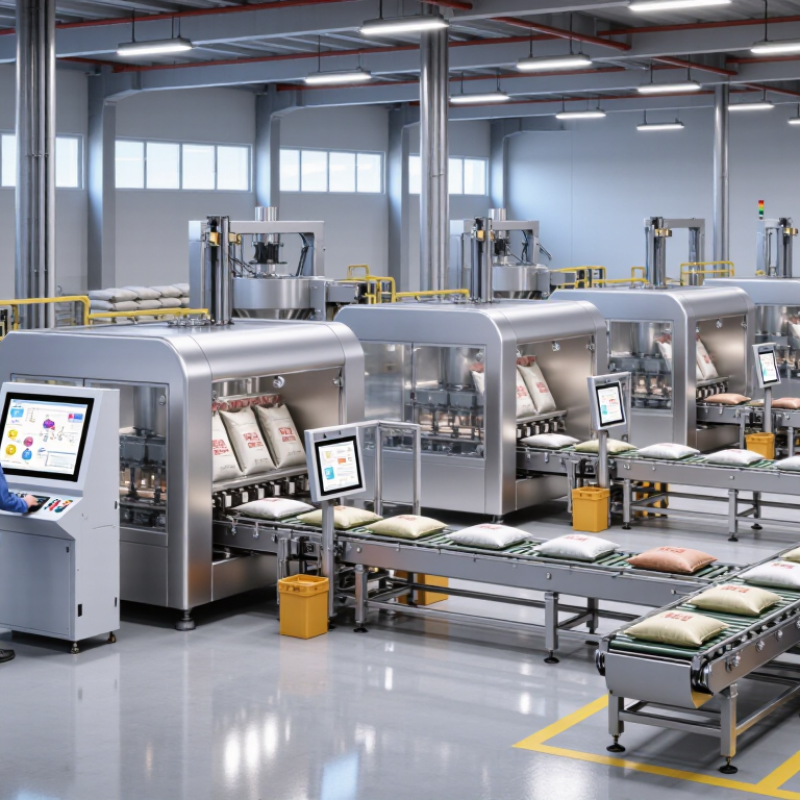
Table of Contents
[Hide]
What Bagging Solutions Suppliers Provide
Bagging solution suppliers support more than the purchase of a filling machine. They assess product flow, bag material, target weight, production speed, and available floor space. A practical supplier may recommend open-mouth, valve, or form-fill-seal equipment. The right choice depends on the product.
They commonly provide weighing systems, filling units, bag presenters, sealers, checkweighers, and coding devices. Some solutions include dust extraction for powders and gentle handling for fragile granules. Suppliers can also design conveyors, palletizing equipment, and bag inspection stations. These details affect output, cleanliness, and operator safety.
Integration matters.
Reliable suppliers usually offer sample testing before final approval. They may test filling accuracy, sealing strength, film performance, and changeover time. Installation, operator training, spare parts, and remote troubleshooting are also valuable services. Experienced teams should explain maintenance intervals in clear language, not hide them in technical documents.
Customization can include stainless-steel contact parts, different hopper sizes, recipe controls, and multiple bag formats. However, customization is not always an advantage. Complex systems may increase training needs and repair costs. A careful supplier should discuss these weaknesses openly. Buyers should request production data, safety documentation, warranty conditions, and references from similar applications. Clear communication often prevents expensive redesigns after delivery.
China Top 10 Bagging Solutions Suppliers for Global Buyers - What Bagging Solutions Suppliers Provide
A practical comparison of representative Chinese bagging-solution supplier profiles, covering equipment scope, packaging formats, automation levels, and typical operating capabilities.
| Rank | Supplier Profile | Primary Solution Focus | Compatible Bag Formats | Typical Throughput | Weighing or Dosing Method | Automation Level | Common Materials Handled | Typical Industries | Integration Services | Export-Buyer Considerations |
|---|---|---|---|---|---|---|---|---|---|---|
| 1 | Profile A | Complete automatic form-fill-seal lines for granular products | Premade bags Open-mouth bags Block-bottom bags | 20–60 bags/min, depending on product and bag size | Multihead weigher, linear weigher, or gross/net weighing system | High; PLC-controlled line with automatic bag feeding and sealing | Rice, grains, seeds, pet food, pellets, and dry agricultural products | Food processing, agriculture, animal feed, and consumer goods | Conveyors, metal detection, checkweighing, coding, palletizing, and dust extraction | Confirm electrical standards, language options, spare-parts availability, and remote commissioning support |
| 2 | Profile B | Valve-bag and open-mouth packing systems for powders | Valve bags Paper bags PE-lined bags | 5–20 bags/min for many powder applications | Auger filler, gravity filler, or air-pack filling system | Medium to high; automatic filling with optional bag placing and closing | Cement, minerals, chemicals, flour, starch, and powdered additives | Construction materials, chemicals, food ingredients, and minerals | Bag closing, dedusting, pneumatic conveying, bulk-bag unloading, and pallet transport | Assess dust-control design, hazardous-area requirements, powder flowability, and cleaning access |
| 3 | Profile C | Vertical form-fill-seal packaging for small and medium retail packs | Pillow bags Gusseted bags Quad-seal bags | 30–100 bags/min, subject to product characteristics | Multihead weigher, volumetric cup, auger, or liquid pump | High; servo-driven film handling and programmable recipes | Snacks, confectionery, frozen foods, powders, granules, and non-food items | Food, household products, chemicals, and agricultural products | Vibratory feeders, date printers, checkweighers, reject units, and case packers | Verify film specifications, sealing temperature range, changeover time, and local service coverage |
| 4 | Profile D | Heavy-duty bagging lines for industrial and bulk products | 25 kg bags 50 kg bags Woven PP bags | 6–18 bags/min for heavy industrial sacks | Gross weighing, net weighing, or loss-in-weight dosing | Medium to high; automatic filling with mechanical bag handling | Fertilizer, animal feed, plastic resin, minerals, and building materials | Fertilizer, feed, plastics, mining, and construction | Bag applicators, sewing or heat sealing, flattening, palletizing, and stretch wrapping | Check floor loading, bag strength, dust emissions, weighing tolerance, and forklift or pallet standards |
| 5 | Profile E | Small-bag packing machines for weighed food and agricultural products | Flat bags Stand-up pouches Zipper pouches | 20–70 bags/min, depending on pouch handling and sealing method | Linear weigher, multihead weigher, or combination dosing | Medium to high; automatic weighing with manual or robotic pouch loading | Grains, spices, nuts, seeds, dried foods, and hardware components | Food, agriculture, retail, and light manufacturing | Pouch opening, nitrogen flushing, vacuum sealing, coding, inspection, and carton packing | Request sample testing for pouch stiffness, zipper quality, product bridging, and target fill accuracy |
| 6 | Profile F | Big-bag filling and discharging systems for bulk handling | FIBC bags One-ton bags Liner bags | 4–15 bags/hour, depending on filling weight and material flow | Load-cell weighing with gravity, screw, or pneumatic filling | Medium; automated weighing with optional automatic loop handling | Powders, granules, pellets, minerals, chemicals, and food ingredients | Chemicals, plastics, minerals, agriculture, and food ingredients | Vibrating platforms, dust collectors, liner inflation, pallet handling, and discharge stations | Confirm FIBC dimensions, safe working load, grounding requirements, liner compatibility, and dust classification |
| 7 | Profile G | Premade-pouch packaging systems for flexible consumer packaging | Doypack pouches Spouted pouches Flat pouches | 15–50 pouches/min, depending on pouch type and filling process | Multihead weighing, auger dosing, liquid filling, or piston dosing | High; robotic pouch handling and servo-controlled sealing options | Snacks, sauces, pet treats, detergents, and personal-care products | Food, pet care, household chemicals, and personal care | Zipper closing, spout insertion, gas flushing, leak testing, coding, and carton loading | Evaluate pouch tolerance, seal contamination risk, product temperature, and format-change tooling |
| 8 | Profile H | Bagging systems for powders requiring controlled dust management | Premade paper bags Valve bags Plastic sacks | 8–25 bags/min for fine powders and difficult-flow materials | Auger, vacuum-assisted, or pressure-assisted dosing | High; enclosed filling zones and automated cleaning functions available | Flour, milk powder, pigments, pharmaceutical excipients, and fine chemicals | Food ingredients, chemicals, pharmaceuticals, and industrial powders | HEPA or cartridge filtration, dust-tight transfer, checkweighing, sealing, and batch traceability | Review hygienic design, dust-tightness testing, material-contact surfaces, and applicable regulatory documentation |
| 9 | Profile I | Robotic end-of-line bag handling and palletizing solutions | Sacks Cartons Cases | 10–30 bags/min for palletizing, depending on load and pattern | Integrated with upstream net-weigh or volumetric filling equipment | High; robotic palletizing, automatic layer forming, and recipe control | Bagged food, feed, fertilizer, chemicals, and building materials | Food, agriculture, chemicals, logistics, and manufacturing | Robotic palletizers, layer pads, pallet dispensers, stretch wrappers, conveyors, and warehouse interfaces | Confirm robot payload, pallet dimensions, guarding requirements, safety standards, and line-layout constraints |
| 10 | Profile J | Modular and semi-automatic bagging equipment for flexible production | Open-mouth bags Woven bags Plastic bags | 3–15 bags/min, depending on operator involvement and product | Net weighing, gross weighing, volumetric filling, or manual pre-weighing | Basic to medium; suitable for lower-volume or multi-product operations | Grains, seeds, powders, pellets, fertilizers, and recycled materials | Small food processors, agriculture, recycling, feed, and chemicals | Bag clamps, sewing machines, heat sealers, portable conveyors, and basic dust extraction | Compare labor requirements, machine mobility, operator training, maintenance simplicity, and future upgrade paths |
Procurement note: Throughput figures are representative operating ranges rather than guaranteed performance. Actual output depends on product density, particle size, moisture, flowability, target bag weight, packaging material, filling accuracy, and the selected line configuration.
Related Posts
-
How to Choose the Right Packaging Machines for Your Business?
-
China Best Bagging Solutions for Global Buyers?
-
Top Packaging Machines Trends to Watch in 2025 for Your Business
-
2026 How to Choose Packaging Equipment for Food Efficiently?
-
Top Food Packaging Machines in China for Global Buyers?
-
2026 Best Packaging Equipment for Global Buyers Insights?