Top 10 Meat Packaging Solutions for Freshness and Safety
In the ever-evolving landscape of the food industry, ensuring freshness and safety in meat packaging has become a paramount concern for consumers and producers alike. As Richard Eldridge, an expert in meat packaging solutions, aptly states, "The right packaging is crucial not only for extending shelf life but also for maintaining the quality and safety of meat products." This statement underscores the significance of innovative packaging techniques that enhance both preservation and consumer trust.
As the demand for fresh meat continues to rise, so too does the necessity for effective meat packaging solutions that address the diverse challenges faced by the industry. From vacuum sealing to modified atmosphere packaging, the methods employed can significantly impact not only the longevity of the meat but also its sensory qualities. With advancements in technology, packaging solutions are becoming more sophisticated, incorporating features that actively combat spoilage and contamination.
In this article, we will explore the top ten meat packaging solutions that stand at the forefront of ensuring freshness and safety. By delving into these innovative approaches, we aim to provide insights into how the meat industry can enhance product quality while meeting the growing consumer expectations for safety and sustainability.
Meat Packaging: Ensuring Freshness and Safety in the Supply Chain
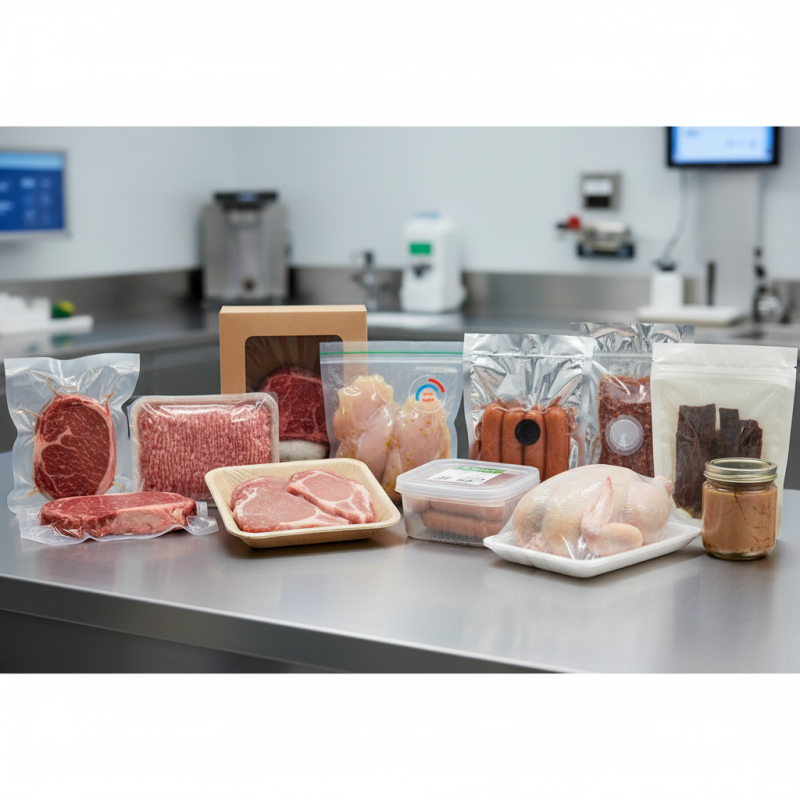
Meat packaging plays a crucial role in maintaining the freshness and safety of meat products throughout the supply chain. Effective packaging solutions are designed not only to preserve the quality of the meat but also to prevent contamination from both external and internal sources. By utilizing materials that provide effective barriers against oxygen and moisture, producers can extend the shelf life of meat products while ensuring they remain safe for consumption. Techniques such as vacuum sealing and modified atmosphere packaging are popular choices, as they significantly reduce the risk of spoilage and microbial growth.
In addition to preserving freshness, meat packaging solutions must adhere to stringent safety standards to protect both consumers and distributors. Innovative technologies are being employed to enhance traceability and transparency, enabling stakeholders to monitor the meat's journey from farm to table. Features such as QR codes and intelligent packaging that can indicate the freshness of the meat help retailers and consumers make informed decisions. As the meat industry continues to evolve, the development of sustainable packaging options that minimize environmental impact while ensuring food safety will be crucial for meeting future demands.
Innovative Materials for Effective Meat Packaging Solutions
Innovative materials play a crucial role in enhancing the effectiveness of meat packaging solutions. One of the most significant advancements is the development of active packaging materials that interact with the contents to prolong freshness. These materials often incorporate additives that can absorb oxygen or release antimicrobial agents, significantly reducing spoilage and extending the shelf life of meat products. This innovation ensures that consumers receive fresher products while simultaneously minimizing waste.
Another noteworthy advancement is the use of biodegradable and environmentally friendly materials in meat packaging. As sustainability becomes increasingly important, the meat industry is exploring packaging options that not only preserve freshness but also reduce environmental impact. Compostable films and bioplastics derived from natural resources are now being adopted, allowing for effective packaging that aligns with eco-conscious consumer demands. These materials not only maintain the safety and quality of meat but also contribute to a circular economy by reducing reliance on traditional plastic packaging.
Overall, the shift towards innovative materials in meat packaging is setting new standards for freshness and safety while addressing sustainability concerns. By leveraging technology and creativity, the industry is paving the way for packaging solutions that meet modern consumer needs while ensuring the integrity and quality of meat products.
Technological Advances in Meat Packaging for Enhanced Preservation
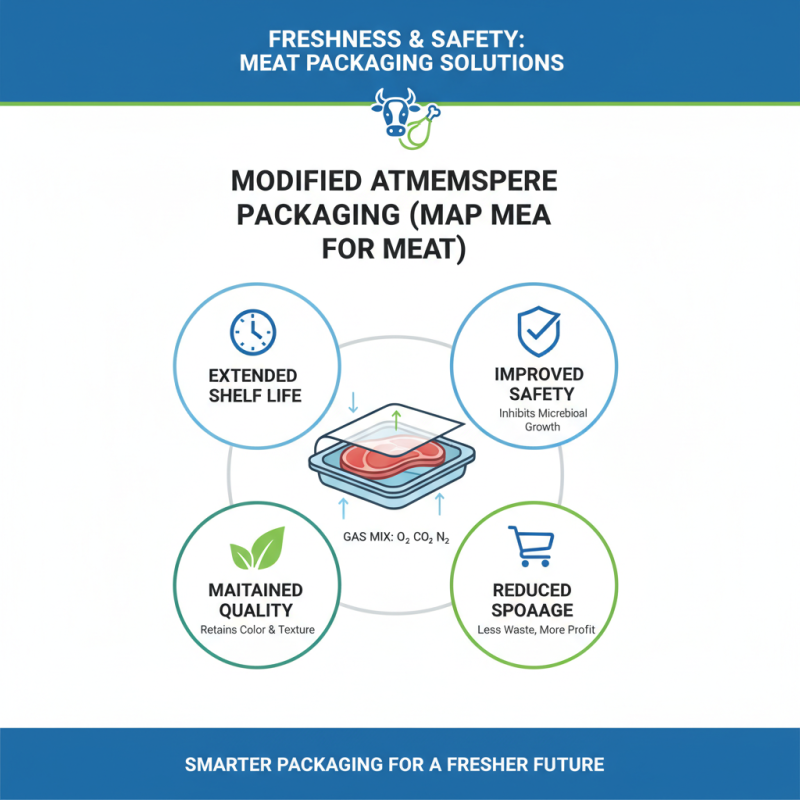
Recent advancements in meat packaging technology have significantly enhanced the preservation and safety of fresh meat products. Innovations such as vacuum sealing and modified atmosphere packaging (MAP) have revolutionized how meat is stored and transported. Vacuum sealing removes air from the packaging, reducing the growth of aerobic bacteria and delaying spoilage. Similarly, MAP involves altering the composition of gases in the packaging environment, which helps to inhibit microbial growth and maintain the meat's quality for extended periods.
Moreover, the integration of smart packaging solutions offers real-time monitoring of meat freshness. These systems often incorporate indicators that change color or display information regarding temperature and gas levels, ensuring that consumers and retailers can track the quality of the product throughout its shelf life. With such technology, any deviations from optimal conditions can be immediately identified, allowing for timely interventions and reducing food waste. As these technological advances continue to evolve, they promise to further improve the safety and quality of meat products, ultimately benefiting both producers and consumers alike.
Top 10 Meat Packaging Solutions for Freshness and Safety
This chart showcases the effectiveness of various meat packaging solutions in preserving freshness and ensuring safety. The data is based on technological advances that enhance preservation techniques.
Best Practices in Meat Packaging for Retail and Consumer Safety
When it comes to meat packaging, prioritizing freshness and safety is essential for both retailers and consumers. One of the best practices in meat packaging is the use of modified atmosphere packaging (MAP). By altering the composition of gases in the packaging environment, MAP helps to extend the shelf life of meat products while maintaining their quality. This technology minimizes spoilage and inhibits microbial growth, ensuring that meat stays fresher for longer periods, which is crucial for retail environments where turnover can vary.
Another key practice involves the use of transparent packaging materials that allow consumers to visually inspect the meat before purchase. This encourages trust and promotes informed decision-making. Furthermore, including clear labeling with important information such as use-by dates, storage instructions, and cooking guidelines is vital. Labels should also indicate whether the packaging is recyclable or compostable, contributing to sustainability efforts. Adhering to stringent hygiene protocols during meat handling and packaging also significantly reduces contamination risks, safeguarding consumer health and enhancing overall food safety in the meat supply chain.
Environmental Considerations in Meat Packaging Solutions and Sustainability
Sustainability in meat packaging has become a crucial focus as consumers increasingly demand environmentally responsible options. Traditional packaging methods often rely heavily on plastics, which contribute to significant waste and can take centuries to decompose. In response, the meat industry is exploring innovative alternatives such as biodegradable and compostable materials that can diminish environmental impact. These solutions not only preserve the quality and safety of meat products but also align with the growing movement toward sustainable practices.
Additionally, the adoption of recyclable packaging is gaining traction among meat producers. By utilizing materials that can be reprocessed, companies can reduce the amount of packaging waste that ends up in landfills. Implementing effective recycling programs and educating consumers on proper disposal methods are also critical steps in this initiative.
Furthermore, many meat packaging solutions now prioritize reducing carbon footprints by leveraging lightweight designs that require fewer resources for production and transportation. This multifaceted approach not only enhances the sustainability of meat packaging but also meets the evolving expectations of eco-conscious consumers.