What Are the Top Meat Packaging Solutions in China?
China’s meat market spans neighborhood butcher shops, supermarket counters, and high-volume processing plants. Each setting needs packaging that protects product quality while fitting its storage, transport, and sales conditions. The best meat packaging solutions are therefore not one-size-fits-all. They may include vacuum pouches, modified-atmosphere trays, thermoformed packs, and sturdy cartons for distribution. Each option offers different benefits for shelf life, presentation, material use, and operating speed.
Small details matter. A weak seal can leak during delivery, while excess packaging can add cost and waste. Chilled pork moving between a processing room and a retail refrigerator has different needs from frozen meat packed for longer transport. Equipment compatibility matters, too; a material that performs well in a test may cause delays on an existing production line. Real-world trials are worth the effort.
This guide compares leading packaging formats used in China and explains where each may fit. It considers product protection, sealing performance, display appeal, automation, and practical purchasing questions. It also looks at how suppliers support quality control and consistent production, rather than focusing only on price. No format is perfect. Businesses should verify claims with product-specific testing and clear specifications, then review results under their own storage and distribution conditions. The right choice depends on the meat, the route, and the customer.
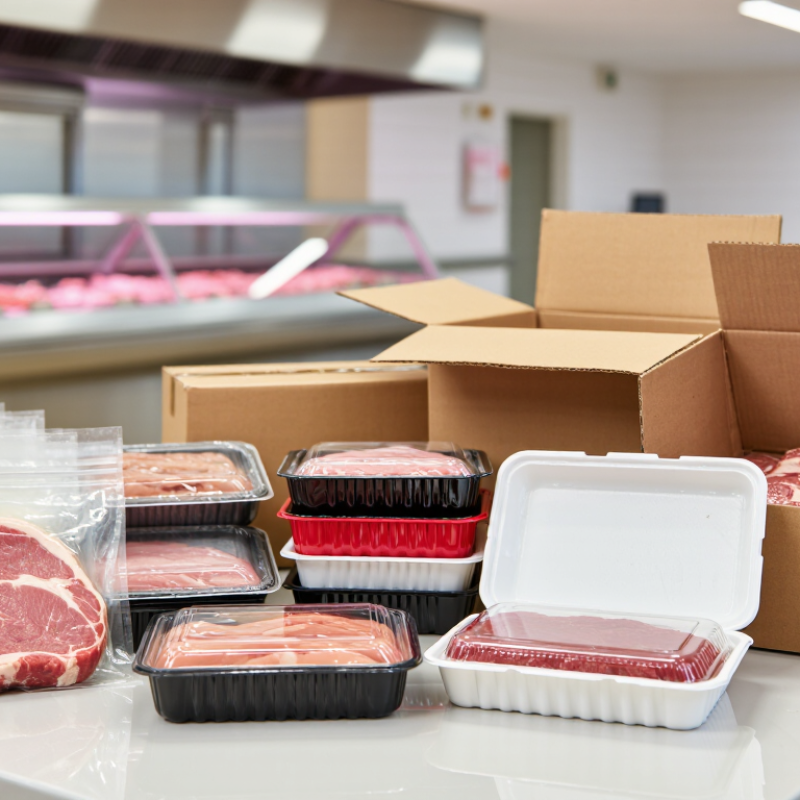
Table of Contents
[Hide]
What Meat Packaging Solutions Include in China
In China, meat packaging solutions cover more than the material around a product. They include portioning, primary packs, sealing, labeling, and temperature-controlled handling. Fresh cuts may use vacuum pouches or sealed trays with modified-atmosphere packaging. These formats can help manage oxidation and leakage, but results depend on product freshness, seal quality, and cold-chain conditions. Frozen meat often needs durable, moisture-resistant bags or films that tolerate low temperatures. For retail, clear windows and readable labels help shoppers check cut, weight, and storage instructions.
Tips: Match the pack to the route. A chilled delivery across town differs from a frozen shipment moving between provinces. Check seals after handling, not just straight off the packing line. Small leaks matter.
Packaging lines may use thermoforming equipment, tray sealers, vacuum chambers, or shrink systems. Secondary cartons protect packs during stacking and transport. Labels and date coding support stock rotation and traceability. Materials should suit the product and machinery; a film that seals well on one line may wrinkle or leak on another. Trial runs are useful. They are not perfect predictions, either: real transport brings vibration, temperature changes, and rushed handling. Keep testing with actual products and distribution conditions.
What Are the Top Meat Packaging Solutions in China? - What Meat Packaging Solutions Include in China
| Packaging Solution | Typical Format and Materials | Common Meat Applications | Main Advantages | Key Considerations |
|---|---|---|---|---|
| Vacuum Pouch Packaging | Flexible high-barrier pouches, commonly made from multilayer plastic films designed to limit oxygen and moisture transmission. | Fresh or chilled cuts, sausages, cooked meats, and processed meat portions. | Removes most air around the product, helps limit oxidation, and can reduce package volume compared with rigid packs. | Requires suitable vacuum equipment and puncture-resistant film. Product appearance changes under vacuum, and refrigeration requirements still apply. |
| Modified Atmosphere Packaging (MAP) | Meat placed in a tray or flexible pack, then sealed with a gas mixture selected for the product and storage conditions. | Chilled retail meat portions, poultry, and selected processed meat products. | Can help maintain product appearance and slow quality deterioration when the gas mix, film barrier, seal, and cold chain are properly controlled. | Gas composition must be validated for the specific meat. Packaging does not replace refrigeration, hygiene controls, or shelf-life testing. |
| Thermoformed Vacuum Packaging | A lower web is heated and formed into cavities, filled with meat, and sealed with a compatible barrier top web, often under vacuum. | Portioned fresh meat, sliced products, poultry, and processed meats produced on packaging lines. | Creates consistent pack shapes and can support high-volume, automated packing with product-specific cavity sizes. | Requires thermoforming equipment and carefully matched forming and sealing films. Tooling and setup should suit product size and production volume. |
| Vacuum Skin Packaging | A close-fitting barrier film is drawn over the product and sealed to a tray or board, with little visible air space. | Premium fresh cuts, steaks, and other products where product visibility and presentation are important. | Holds the product in place, provides a clear presentation, and can reduce purge movement inside the pack. | Needs compatible skin film, a suitable support tray or board, and specialized sealing equipment. It is not a substitute for temperature control. |
| Shrink-Bag Packaging | Meat is sealed in a heat-shrinkable barrier bag; controlled heat causes the bag to fit closely around the product. | Primal cuts, boneless meat blocks, and some large chilled meat portions. | Provides a close-fitting package that can help protect the product from handling and reduce excess air around irregular shapes. | Requires appropriate shrink and sealing equipment. Seal integrity, bag fit, and resistance to bone punctures need to be checked. |
| Tray Sealing with Lidding Film | Rigid or semi-rigid plastic trays sealed with lidding film; packs may be sealed with air, under vacuum, or using MAP. | Retail-ready minced meat, meat portions, poultry, and convenience packs. | Provides a stable shape for handling and display, while the tray size and film can be selected for the product and packing method. | Tray, film, and sealing conditions must be compatible. The material combination affects barrier performance, recyclability, and disposal options. |
| Frozen Meat Bags and Pouches | Flexible freezer-grade bags or pouches designed to withstand low temperatures and resist moisture loss during frozen storage. | Frozen cuts, poultry parts, meat portions, and bulk or food-service packs. | Flexible formats can suit a range of product sizes and help protect meat from freezer dehydration when properly sealed. | Use film suited to the intended freezing and storage conditions. Minimize trapped air where appropriate and avoid damage during handling. |
Selection note: The appropriate solution depends on the meat type, chilled or frozen storage conditions, distribution time, equipment, pack size, and local packaging requirements. Validate shelf life and food-contact suitability for the specific product and process.
Related Posts
-
What Is the Best Type of Meat Packaging Solution?
-
Top 10 Meat Packaging Solutions for Freshness and Safety
-
2025 Top Meat Wrapping Machines: Choosing the Best for Your Business
-
How to Choose the Best Meat Wrapping Machines for Your Business?
-
Best Meat Wrapping Machines for Efficient Packaging Solutions?
-
2026 Top Meat Wrapping Machines Buyers Guide and Insights?