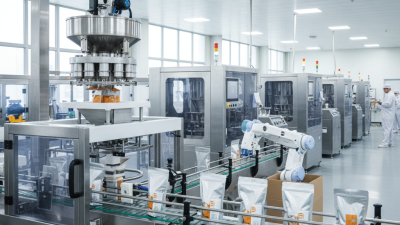
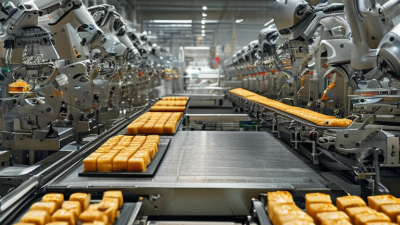
What Is Packaging Equipment Solutions?

Packaging equipment solutions connect product protection, production speed, operator safety, and dependable quality control. They include filling machines, conveyors, case packers, labeling systems, inspection units, and integrated automation. Each component matters. A poorly matched conveyor can create jams, damaged cartons, and expensive downtime.

The market is not simple. “The packaging machinery market is very fragmented, and there are a lot of niche players,” says Jorge Izquierdo, Vice President of Market Development at PMMI. His observation highlights a practical challenge: buyers must compare suppliers, machine capabilities, service coverage, and lifecycle costs carefully. A fast machine is not automatically the right machine. A reliable solution should fit the product, package format, factory space, cleaning routine, and trained workforce.

Real experience often appears in small details. Operators may need clear access to change parts. Sensors must detect crooked labels before pallets leave the line. Stainless-steel surfaces can simplify sanitation in suitable production environments. Digital monitoring can reveal repeated stoppages, although data alone cannot fix weak maintenance practices.

This guide examines packaging equipment solutions from a technical and operational perspective. It considers integration, flexibility, efficiency, safety, and measurable return on investment. Industry standards and manufacturer documentation remain essential references. Local requirements also deserve professional review.

No system is flawless. Even advanced equipment can fail when specifications are vague or commissioning is rushed. That limitation deserves attention. The strongest purchasing decision combines supplier expertise, verified testing, realistic production targets, and honest evaluation of risks.
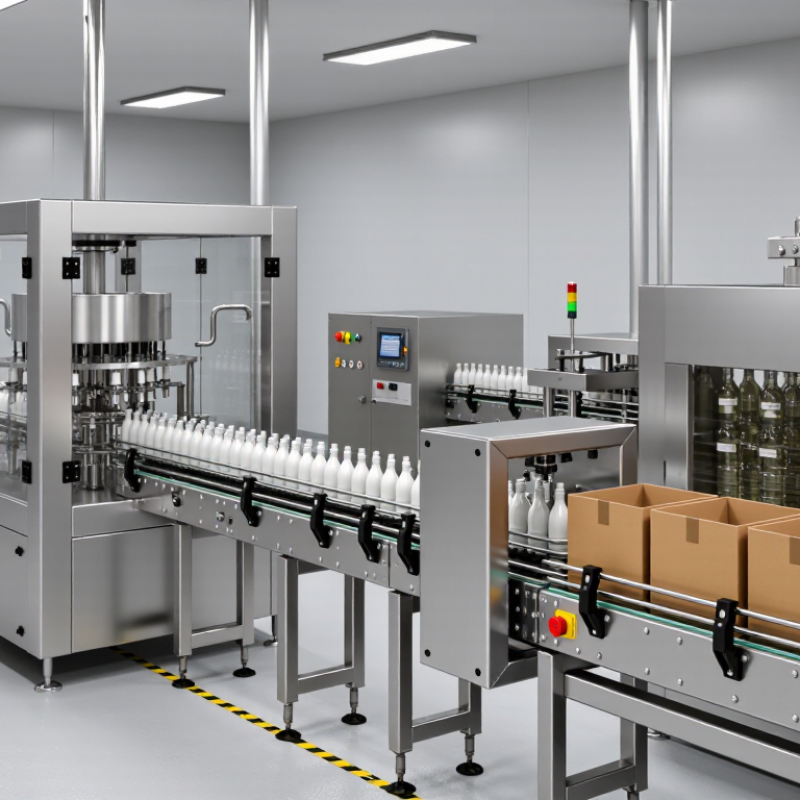
What Is Packaging Equipment Solutions?

Definition and Scope of Packaging Equipment Solutions

What Is Packaging Equipment Solutions?

Definition and Scope of Packaging Equipment Solutions

Packaging equipment solutions are integrated methods for preparing, filling, sealing, labeling, and moving packaged products. They may include individual machines, connected production lines, control systems, and supporting services. The exact scope depends on the product, package material, output target, and workplace conditions.

In practical use, a solution can begin with a conveyor and end with a pallet-ready case. Equipment may measure powder into pouches, place products into cartons, or apply labels to containers. Sensors check position, weight, and seal quality during production. Operators also need accessible controls, clear maintenance points, and safe changeover procedures. These details often decide whether equipment performs well beyond a factory trial.

A professional assessment should examine speed, accuracy, sanitation, energy use, spare parts, and staff training. Product testing is essential because film, cartons, powders, and liquids behave differently. A machine that handles one material smoothly may struggle with another. That is easy to overlook.

Reliable packaging equipment solutions also consider future adjustments. Package sizes may change. Demand may rise or fall. Modular components can reduce disruption, but they may increase initial cost. Automation is not always the best answer. A smaller operation may gain more from simple controls and dependable manual access. Real production data should guide the decision, not impressive specifications alone. Even experienced teams can misjudge maintenance time. Careful trials, documented results, and honest review make the final system more dependable.

Main Types of Packaging Equipment

What Is Packaging Equipment Solutions?

Main Types of Packaging Equipment

Packaging equipment solutions are systems that prepare, protect, identify, and move products through a packaging line. In practical production work, equipment selection depends on product shape, material, speed, and hygiene requirements. A solution may combine several machines instead of relying on one device. Small details matter. A poorly adjusted conveyor can create product jams, uneven spacing, and wasted film.

Filling and weighing machines measure liquids, powders, granules, or solid items before packing. They help maintain consistent quantities and reduce material loss. Sealing equipment closes pouches, trays, cartons, or containers with heat, pressure, adhesive, or other suitable methods. Labeling and coding machines add product information, batch details, and handling instructions. Inspection systems can check seals, weights, labels, and visible defects before products leave the line.

Cartoning machines place products into cartons, while case packers arrange sealed units into shipping cases. Palletizing equipment stacks cases for storage or transport, often using programmable movement patterns. Conveyors connect these stages and control product flow. Automation can improve repeatability, but it is not automatically better. Excessive speed may increase damage or maintenance problems. Operators still need training, cleaning routines, and regular checks. In some facilities, a simpler semi-automatic setup performs more reliably than a complex line. That choice deserves careful testing.

Packaging equipment performs different tasks along a production line. This chart shows a typical workflow sequence, not market share or equipment rankings; actual line layouts vary by product and package.

How Packaging Equipment Supports Production Processes

What Is Packaging Equipment Solutions?

Packaging equipment solutions connect filling, sealing, labeling, inspection, and case packing into a controlled production process. Each machine has a practical role. A filler measures product volume, while a sealer protects the package from leaks and contamination. Conveyors maintain spacing between containers. Sensors then detect missing caps, crooked labels, or damaged packs before shipment.

The business case is measurable. The International Federation of Robotics reported 541,302 industrial robots installed worldwide in 2023, a 10% increase from the previous year. Packaging lines use similar automation to reduce repetitive handling and stabilize cycle times. PMMI’s packaging industry research also identifies labor availability, uptime, and flexible production as major investment drivers. A well-designed line can change formats with fewer manual adjustments. That matters when cartons move from small batches to full pallets within one shift.

Automation is not magic. A poorly positioned sensor can stop a healthy line. An unsuitable conveyor speed may create product gaps, crushed cartons, or unnecessary waste. Operators should test equipment with real materials, including humid packaging film and uneven containers. Maintenance teams also need access to belts, nozzles, and control panels. Smithers’ global packaging forecasts show continued market expansion through 2028, but growth alone does not guarantee efficiency. Every solution needs documented testing, operator training, and performance checks based on actual output, downtime, and reject rates.

Key Factors in Selecting Packaging Equipment

What Is Packaging Equipment Solutions?

Key Factors in Selecting Packaging Equipment

Packaging equipment solutions combine machines, controls, and support processes for preparing products for shipment. They may include filling, sealing, labeling, weighing, and inspection equipment. The right system should match the product, package material, production speed, and available floor space.

Start with measurable needs. Record the product’s weight, viscosity, temperature, and handling sensitivity. Then compare target output with actual daily demand. A machine running at maximum speed may create more rejects, jams, and maintenance delays. Check changeover time, cleaning access, noise levels, and operator safety features. Energy use and spare-part availability also affect long-term costs. Ask for documented test results using your actual product and packaging materials. General demonstrations can hide practical problems.

Tips: Measure the line before purchasing. Leave space for maintenance and safe movement. Request a trial run with real materials. Review training, warranty terms, and service response times. A simple cost-per-package calculation can reveal unexpected expenses.

No selection is perfect. A flexible machine may cost more initially but support future package sizes. A cheaper unit may appear efficient until frequent adjustments interrupt production. In my experience, teams sometimes focus on speed and overlook cleaning time. That decision can weaken reliability. Review performance after installation, record recurring faults, and revise operating settings carefully. A documented evaluation creates stronger evidence than optimistic sales estimates.

Automation, Integration, and Future Developments

What Is Packaging Equipment Solutions? Automation, Integration, and Future Developments

Packaging equipment solutions combine machines, software, sensors, and services into one operating system. They can fill, cap, label, inspect, and palletize products with fewer manual handoffs. In a real production line, integration matters more than machine speed. A fast filler cannot compensate for a slow conveyor or weak data connection. PMMI’s 2024 State of the Industry reporting identifies labor availability and operational flexibility as major automation drivers. These pressures are visible on the factory floor.

Automation is becoming more connected and selective. The International Federation of Robotics reported 541,302 industrial robots were installed worldwide in 2023. Packaging lines increasingly use vision inspection, collaborative robots, and predictive maintenance tools. Sensors can detect a tilted carton before it reaches the case packer. Digital twins can test changeovers before operators touch the equipment. Still, integration is rarely effortless. Legacy machines may use incompatible protocols. Data can look impressive but remain poorly organized. That weakness deserves more attention.

Future developments will likely focus on flexible production, energy monitoring, and traceable performance data. Smithers’ packaging market research highlights continued demand for efficient, automated packaging operations. Modular equipment can support shorter runs and faster format changes. Artificial intelligence may improve defect detection, but it still needs clean images and reliable training data. A practical solution should include operator training, spare-part planning, cybersecurity controls, and measurable maintenance targets. More technology is not always better. Sometimes, a simpler conveyor layout performs more reliably.

What Is Packaging Equipment Solutions? - Automation, Integration, and Future Developments

Packaging equipment solutions combine machines, controls, and material-handling systems to prepare products for sale, shipment, and distribution. The equipment selected depends on the product, package format, production requirements, and applicable regulations.

Packaging stage Typical equipment Main function Automation and integration Relevant developments
Product feeding Conveyors, feeders, hoppers, and orienting systems Moves products into the packaging line in a controlled, consistent flow. Sensors and variable-speed drives can coordinate product flow with downstream machines. Improved sensing and control can help reduce jams and unplanned stops.
Filling and dosing Liquid fillers, auger fillers, volumetric fillers, and weigh fillers Measures and dispenses a product into a container or package. Filler settings can be coordinated with container handling and line controls; the suitable method depends on product properties. Connected sensors and process data can support checks on fill consistency and equipment performance.
Closing and sealing Cappers, heat sealers, induction sealers, and carton closers Closes packages to help protect the product and maintain package integrity. Interlocks and inspection devices can identify missing closures or certain sealing faults. More in-line monitoring can help operators detect process deviations earlier.
Labeling and coding Label applicators, inkjet coders, laser coders, and print-and-apply systems Applies product information, identification, and traceability codes to packages. Line controls can synchronize label application and coding with product movement; vision systems can verify print presence or readability. Digital data exchange can support more consistent code and label changes across a line.
Inspection and quality checks Checkweighers, metal detectors, X-ray inspection, and vision systems Checks selected product or package characteristics, depending on the system and application. Reject mechanisms can remove detected nonconforming items; inspection records may be connected to line or quality systems. Advances in imaging and analytics can expand automated inspection capabilities, subject to validation.
Secondary packaging Case erectors, case packers, carton formers, and case sealers Groups primary packages into cartons, trays, or shipping cases. Product collation, case forming, and sealing can be linked to upstream packaging output. Flexible changeover designs can make it easier to accommodate different package formats.
Palletizing and end-of-line handling Robotic or conventional palletizers, stretch wrappers, and pallet conveyors Arranges shipping cases on pallets and prepares loads for storage or transport. Pallet patterns, case flow, and wrapping operations can be coordinated with warehouse and material-handling processes. Robotics and automated guided or autonomous mobile vehicles can support material movement where the site is designed for them.
Line control and data Programmable logic controllers, human-machine interfaces, and production monitoring software Coordinates machine operation and provides operators with status and production information. Integration may connect machines with supervisory, manufacturing, quality, or maintenance systems, depending on the facility. Interoperable data, remote diagnostics, and condition-based maintenance are ongoing areas of development; implementation requires appropriate security and validation.

Equipment configuration, inspection capability, and automation level vary by product, packaging material, throughput needs, facility layout, and regulatory requirements.

  • November 2025
  • 18/11 - 20/11
    Prod&Pack
    (Lyon, France)
  • 25/11 - 26/11
    Deutscher Fleisch Kongress
    (Mainz, Germany)
  • February 2026
  • 02/02 - 03/02
    Cheese Affair
    (Aarau, Switzerland)
  • 07/02 - 11/02
    Intergastra
    (Stuttgart, Germany)
  • 09/02 - 13/02
    Victus open doors event
    (Budapest, Hungary)
  • March 2026
  • 03/03 - 05/03
    Nemco Packaging Days
    (Viby, Denmark)
  • 10/03 - 12/03
    CFIA
    (Rennes, France)
  • 24/03 - 26/03
    Aquasur
    (Puerto Montt, Chile)

Default