What Is the Best Type of Meat Packaging Solution?

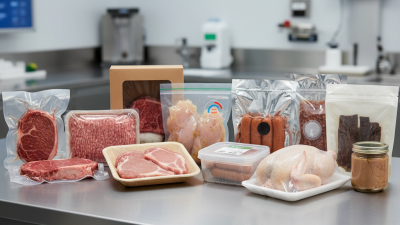
Choosing the best meat packaging solution is not simply a matter of selecting the strongest film. The right package must protect freshness, prevent leakage, support safe handling, and suit the product’s selling environment. Fresh beef, poultry, processed meats, and frozen cuts all create different packaging demands.

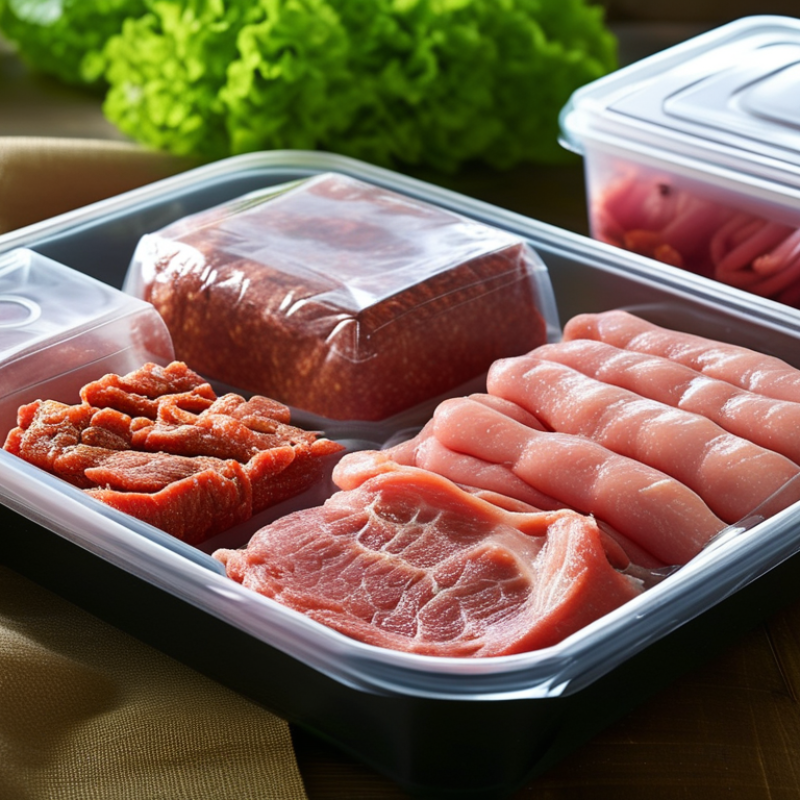
In practical operations, vacuum packaging can reduce air exposure and improve shelf presentation. Modified atmosphere packaging may preserve color and offer useful retail visibility. Skin packaging can hold irregular cuts firmly against a tray. Heavy-duty vacuum bags often perform better for large portions and frozen storage. However, no single option works everywhere. A package that performs well in a chilled display may fail during long-distance transport.

Material strength matters. So does seal quality. A small wrinkle near the seal can allow liquid to escape. Poorly controlled temperatures can also undermine excellent packaging. Reliable meat packaging solutions should therefore be evaluated through seal checks, drop testing, shelf-life trials, and transport simulations. Packaging teams should review oxygen levels, film barrier properties, puncture resistance, labeling space, and machine compatibility.

There is no universal winner.

The best choice depends on product type, processing speed, storage temperature, distribution distance, and customer expectations. Food packaging specialists should also verify that materials meet applicable food-contact requirements and facility standards. Experience helps reveal practical weaknesses, but experience can be incomplete. A familiar package may still create unnecessary waste or handling problems. Careful testing, supplier documentation, and measurable performance data provide stronger evidence than attractive samples alone. This article examines the main packaging formats and explains how businesses can select a safer, more efficient, and commercially suitable solution.
What Is the Best Type of Meat Packaging Solution?

Cold-Chain Baseline: FDA Sets Chilled Meat at 4°C (40°F) or Below

What Is the Best Type of Meat Packaging Solution?

Cold-chain control begins with temperature, not packaging appearance. For chilled meat, many processors use 4°C (40°F) or below as an operating baseline. This is stricter than the FDA Food Code 2022 cold-holding limit of 5°C (41°F). The USDA Food Safety and Inspection Service also advises keeping perishable foods at 4°C or below. That one-degree buffer matters when pallets wait near loading doors or inside crowded trucks.

Packaging must protect that temperature continuously. High-barrier films can reduce oxygen and moisture transfer, while tight seals limit leakage and contamination. Modified-atmosphere packaging may help preserve color, but its gas ratio needs product-specific validation. A lean beef tray, for example, behaves differently from fatty minced meat. The wrong film can create purge, dull color, or swollen packs.

Small details reveal real performance. Check seal strength after cold storage, not only at room temperature. Place temperature loggers near the pallet center, where warming may remain hidden. The Global Cold Chain Alliance reports that temperature control remains a major vulnerability across refrigerated logistics, especially during loading and unloading. Still, packaging cannot repair poor handling. FDA guidance emphasizes rapid cooling and continuous refrigeration. That sounds obvious. It is often missed. One practical weakness deserves attention: many specifications list packaging materials, but not actual shelf-life results under distribution conditions.

Vacuum Packaging: Commercial Beef Shelf Life Can Reach 90 Days

What Is the Best Type of Meat Packaging Solution?

Vacuum Packaging: Commercial Beef Shelf Life Can Reach 90 Days

For commercial beef, vacuum packaging can extend chilled shelf life to nearly 90 days. This result depends on the cut, processing hygiene, film performance, and steady cold storage. Whole primals usually perform better than finely cut products because they expose less surface area. A tight vacuum removes oxygen and reduces oxidation, helping preserve color, aroma, and texture. Still, vacuum packaging is not a guarantee. Even a small seal failure can allow air, moisture, and bacteria to enter.

Tips: Chill beef quickly before packing, and keep storage temperatures consistently between 0°C and 3°C. Inspect every seal for wrinkles, leaks, or trapped liquid. Use high-barrier film with strong puncture resistance. Record batch dates and temperature readings. Do not rely on appearance alone. Some spoilage risks remain invisible.

In practical operations, the 90-day figure should come from validated shelf-life testing, not a printed assumption. Testing should examine microbial growth, odor, purge, package integrity, and eating quality over time. Transport also matters. A brief temperature rise during loading can reduce the expected shelf life. This is where packaging plans often become too optimistic. Vacuum-packed beef may look stable, yet poor handling can quietly shorten its usable window. Better results come from disciplined sanitation, calibrated equipment, and honest monitoring.

MAP Performance: 70–80% Oxygen Supports Bright-Red Retail Beef

What Is the Best Type of Meat Packaging Solution?

For retail beef, high-oxygen modified atmosphere packaging (MAP) commonly uses 70–80% oxygen. This atmosphere maintains oxymyoglobin, creating the bright-red color shoppers expect. The remaining gas is usually carbon dioxide and nitrogen. Carbon dioxide helps slow aerobic microbial growth, while nitrogen supports pack stability. Research reviewed in Meat Science reports that high-oxygen MAP can preserve retail color for several days under controlled refrigeration. However, color is not proof of freshness.

High oxygen also accelerates lipid and protein oxidation. This may create metallic flavors, surface discoloration, and drip loss. USDA FSIS guidance emphasizes strict temperature control, validated shelf-life studies, and accurate package labeling. Film oxygen transmission rate, seal quality, tray design, and cold-chain handling all affect performance. A small seal leak can defeat an otherwise well-designed gas mixture. The compromise is uncomfortable: the brightest beef is not always the most stable beef.

Tips: Keep product temperatures near 0–4°C. Validate gas ratios with headspace testing. Check seals visually and mechanically. Use oxygen-barrier films suited to the target shelf life. Do not judge safety by color alone. Packaging teams should measure purge, oxidation, microbial counts, and consumer appearance together. Some facilities still rely too heavily on visual checks, which is a weakness worth correcting.

What Is the Best Type of Meat Packaging Solution? - MAP Performance: 70–80% Oxygen Supports Bright-Red Retail Beef

Packaging Solution Typical Gas or Package Condition Beef Color at Retail Typical Refrigerated Display Potential* Main Advantages Primary Considerations Best-Fit Application
High-Oxygen MAP 70–80% oxygen, commonly balanced with carbon dioxide and nitrogen Bright cherry-red oxymyoglobin appearance Approximately 3–7 days, depending on cut, temperature, hygiene, and film performance Strong visual appeal; supports bright-red retail presentation; suitable for consumer-facing fresh beef packs Higher oxygen can accelerate lipid and pigment oxidation; requires careful temperature control and leak prevention Fresh beef steaks, retail trays, and products where color is a key purchasing factor
Low-Oxygen MAP Usually less than 1% oxygen with carbon dioxide and nitrogen selected for product needs Dark purplish-red in the sealed pack; redder after exposure to air Often approximately 7–14 days, subject to validated processing and cold-chain conditions Reduces oxygen exposure; can help limit oxidative deterioration and support distribution efficiency The darker color may be perceived as less fresh before the pack is opened; consumer education may be needed Centralized processing, wholesale distribution, and products that are opened before final display
Vacuum Skin Packaging Very low residual oxygen; film conforms closely to the product surface Dark purplish-red while sealed; typically blooms red after opening Commonly approximately 14–28 days when properly processed and refrigerated Low package headspace; close product presentation; good protection from air and purge when correctly designed Requires suitable skin films, sealing equipment, and careful control of bone or sharp-edge punctures Premium steaks, portion-controlled cuts, and products requiring strong package visibility
Conventional Vacuum Packaging Air removed from a flexible pouch or bag; residual oxygen is minimized Dark purplish-red while sealed; brightens after opening Often approximately 14–35 days, depending on cut, film, sanitation, and storage temperature Well-established process; comparatively low oxygen exposure; suitable for bulk and foodservice formats Less visually appealing for direct retail display; puncture and seal integrity are critical Primals, subprimals, foodservice portions, and longer-distance refrigerated distribution
Air-Permissive Overwrap Atmospheric air remains around the product; absorbent pad may be used for purge Bright red initially, followed by browning as oxygen exposure continues Typically approximately 1–3 days for fresh retail beef Low equipment complexity; familiar retail appearance; convenient for rapid-turnover products Shorter shelf life; greater exposure to oxygen, purge, handling, and environmental contamination Local retail sales and high-turnover fresh meat counters
Selection note: High-oxygen MAP with 70–80% oxygen is generally selected when a bright-red retail appearance is the leading requirement. Vacuum and low-oxygen systems are generally better suited to longer distribution, reduced oxidative exposure, or products that will bloom after opening.
*Shelf-life figures are typical industry ranges rather than guarantees. Actual performance depends on product pH, initial microbial load, packaging material, residual oxygen, seal integrity, sanitation, storage temperature, and applicable food-safety validation.

Skin Packaging: High-Barrier Films Reduce Oxygen Transfer and Leakage

What Is the Best Type of Meat Packaging Solution?

Skin packaging uses a tight, transparent film that follows the meat’s shape and tray surface. In processing trials, this close fit has reduced trapped air around steaks and chops. High-barrier films slow oxygen transfer, helping protect color, aroma, and freshness during chilled storage. They also create a firm seal around the tray, reducing leakage from juices and marinades. That matters during transport, when shifting packages can stress weak seal areas.

The right film depends on product fat content, storage time, sealing temperature, and distribution conditions. A film that performs well for fresh beef may not suit marinated poultry. Seal contamination is another practical risk. Small traces of liquid can create channels for leakage. Packaging teams should test puncture resistance, seal strength, oxygen transmission, and performance after refrigeration. No package is perfect. I have seen attractive packs fail because the tray edge was uneven or the sealing surface was poorly cleaned.

Tips: Choose film after testing the actual meat product. Check seals under pressure, not only by visual inspection. Leave enough headspace for handling, but avoid unnecessary air. Record storage temperature and inspect packages before shipment. Recheck performance when recipes or tray materials change. Minor process changes can produce surprising leaks.

What Is the Best Type of Meat Packaging Solution?

Skin Packaging: High-Barrier Films Reduce Oxygen Transfer and Leakage

Lower oxygen transmission rates generally support longer color and shelf-life stability for fresh meat. High-barrier skin packaging films that incorporate EVOH or similar barrier layers can provide substantially lower oxygen transfer than conventional polyethylene films. Values shown are representative material benchmarks measured under standardized dry conditions; actual performance varies with film structure, thickness, humidity, sealing quality, and package design.

Final Selection: Compare Shelf Life, Seal Integrity, Waste, and Cost

The best meat packaging solution depends on what happens after sealing, not just how attractive the pack looks. For chilled beef, a high-barrier vacuum pouch can slow oxygen exposure and reduce drip loss. Rigid trays with lidding film may protect delicate cuts better during transport. Shelf life still depends on temperature, hygiene, product acidity, and handling. Packaging cannot repair poor cold-chain control.

Seal integrity deserves practical testing. A tiny channel leak may leave the package looking perfect while air slowly enters. Small leaks matter. In production trials, teams should inspect seals visually and use pressure or dye testing on sample packs. Check seal width, film contamination, wrinkles, and closure temperature. Seal failure is costly. It causes odors, discoloration, returns, and avoidable food waste. However, stronger sealing settings can increase energy use or distort thin film. That trade-off is easy to underestimate.

Waste and cost should be measured together. Lightweight materials reduce packaging weight, but rejected packs can erase those savings quickly. A cheaper film may also require slower equipment or more frequent adjustments. Calculate material cost, labor, machine downtime, disposal, and product loss per usable pack. My practical preference is to compare complete production runs, not supplier samples alone. Results can change with fat content, bone edges, and cutting accuracy. No option wins every test. The final choice should reflect measured shelf life, dependable seals, manageable waste, and the real cost of daily operation.

  • November 2025
  • 18/11 - 20/11
    Prod&Pack
    (Lyon, France)
  • 25/11 - 26/11
    Deutscher Fleisch Kongress
    (Mainz, Germany)
  • February 2026
  • 02/02 - 03/02
    Cheese Affair
    (Aarau, Switzerland)
  • 07/02 - 11/02
    Intergastra
    (Stuttgart, Germany)
  • 09/02 - 13/02
    Victus open doors event
    (Budapest, Hungary)
  • March 2026
  • 03/03 - 05/03
    Nemco Packaging Days
    (Viby, Denmark)
  • 10/03 - 12/03
    CFIA
    (Rennes, France)
  • 24/03 - 26/03
    Aquasur
    (Puerto Montt, Chile)

Default