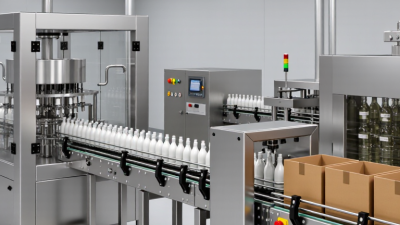
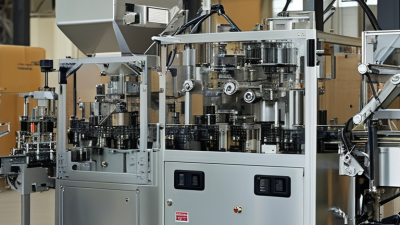
Why Are Bagging Solutions Essential for Global Buyers?

Global buyers rarely purchase packaging as a separate detail. They purchase protection, efficiency, and confidence across long supply chains. That is why bagging solutions matter. A filled sack may travel from a dry warehouse to a humid port. It may face vibration, stacking pressure, rough handling, and changing temperatures. Small weaknesses can become torn bags, product loss, delayed deliveries, or customer complaints.

Well-designed bagging solutions connect material behavior with real operating conditions. Powders may require dust control and stable filling. Granules may need stronger seams and accurate weight management. Food, agricultural, and industrial products also demand suitable materials, clean handling, and traceable quality checks. Experienced suppliers examine film strength, valve performance, sealing temperature, pallet patterns, and storage time. They also verify specifications through sampling and controlled testing, rather than relying only on attractive product claims.

Still, no packaging option fits every buyer. A lower unit price may hide higher labor, waste, or transport costs. A strong bag may be unnecessary for a short local route but essential for ocean freight. This is where careful communication becomes valuable. Buyers should share product density, filling speed, climate exposure, destination requirements, and handling methods. Suppliers should explain limitations clearly. Sometimes, early assumptions are wrong. They need review. Reliable decisions come from evidence, practical trials, and documented quality standards. With that discipline, global buyers can choose bagging solutions that protect products and support more predictable, responsible operations.
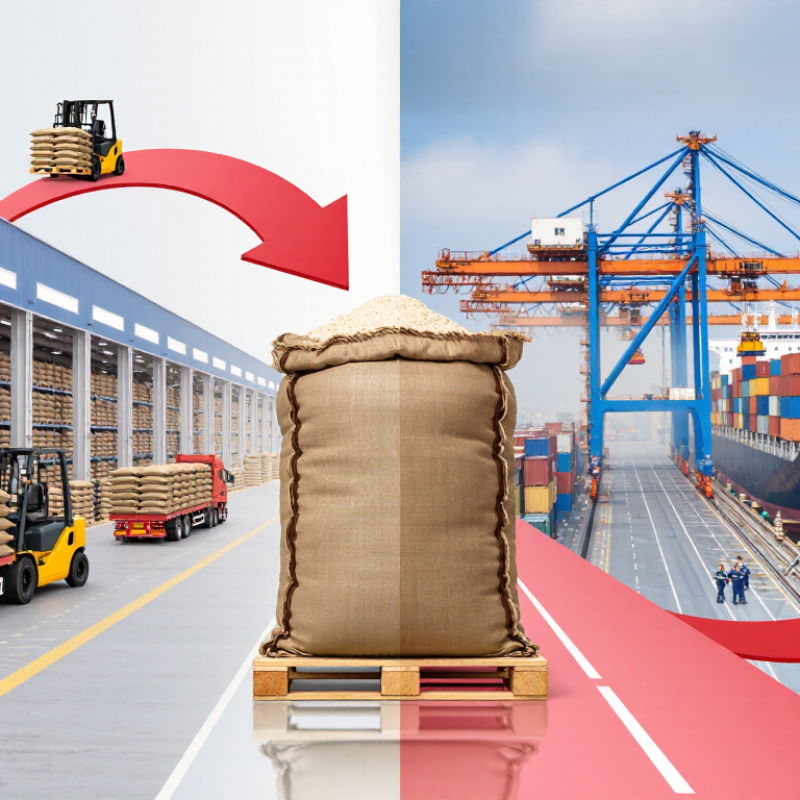
Why Are Bagging Solutions Essential for Global Buyers?

What Are Bagging Solutions and Why Do Global Buyers Need Them?

Bagging solutions are organized methods for filling, weighing, sealing, and handling products in bags.

They can include packaging materials, filling equipment, dust-control systems, inspection tools, and operator procedures. A bag is only one part of the process. The solution connects each stage.

For global buyers, this connection supports more consistent production.

Accurate weighing reduces product giveaway and prevents underfilled bags. Strong seals help protect contents during long-distance transport. Suitable bag materials can resist moisture, abrasion, and repeated handling. In a warehouse, clear labels and stable pallet patterns also reduce picking errors. These details become important when shipments pass through several countries and storage conditions change.

Experienced purchasing teams usually check more than the machine’s speed.

They review cleaning access, spare-part availability, training needs, electrical requirements, and local service support. They also confirm whether the packaging format suits the product and destination market. No system is perfect. A design that works well for dry powder may perform poorly with sticky material. Even a reliable line can lose efficiency when operators receive limited training. Buyers should test representative products, record filling accuracy, and inspect sealed bags after transport simulations. Small trials often reveal practical problems that sales specifications cannot show. That evidence supports safer investment decisions and more dependable daily operation.

How Bagging Solutions Support Efficient International Packaging

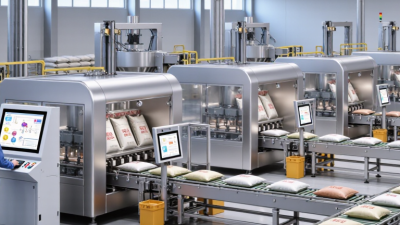
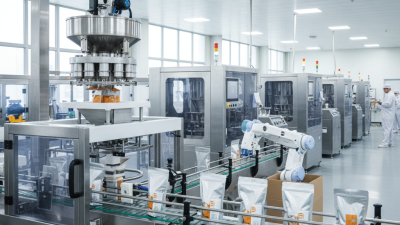
Bagging solutions help global buyers pack products consistently across different markets. A well-designed system can measure, fill, seal, and label bags with fewer manual interruptions. This matters when orders move through several warehouses before reaching customers.

In practical operations, small details often shape shipping results.

A strong seal protects powder, grains, and other dry goods from moisture and leakage. Accurate filling also reduces product loss and keeps pallet weights more predictable. Clear labels support warehouse checks and destination-specific packaging requirements. During a busy shift, operators can adjust bag sizes, filling speeds, and sealing temperatures without rebuilding the entire process. That flexibility supports both large export orders and smaller regional shipments.

The equipment still needs thoughtful handling.

I have seen minor calibration errors create uneven bags and slow down loading. Not perfect. Regular inspections, operator training, and sample checks can prevent repeated problems. Packaging teams should also test materials under realistic conditions, including vibration, temperature changes, and long storage periods. A bag that looks secure in a factory may behave differently inside a hot container. Buyers should review maintenance access, spare-part availability, and technical support before selecting a solution. These details can influence reliability more than impressive production figures. International packaging is not only about speed; it requires control at every handoff.

Which Bag Types Meet Different Global Product Requirements?

Global buyers need bags matched to the product, route, and local handling conditions. Woven polypropylene bags suit grains, minerals, and heavy powders because their fabric resists tearing. FIBC bags carry bulk materials efficiently, but lifting loops need careful load testing. Kraft paper bags offer printability and a familiar low-plastic appearance. They need inner liners when moisture is a concern. Flexible PE bags provide strong moisture protection for many products, though recycling access varies between markets.

Packaging choices also affect waste performance. The OECD’s Global Plastics Outlook reports that packaging represents about 40% of global plastic use. UNEP’s Turning off the Tap report identifies packaging as roughly 36% of all plastic production. These figures make material selection more than a purchasing decision. Buyers should check barrier performance, filling speed, pallet stability, and end-of-life options. A lighter bag is not always better. If it fails during transport, the product loss may outweigh the material saving. I have seen specifications focus on price while ignoring humid warehouses and rough unloading.

Tips: Match the bag to the product’s weight, moisture sensitivity, and filling method. Ask for drop-test and seam-strength data. Confirm whether local recyclers accept the chosen material. For food-contact packaging, request suitable compliance documentation for each destination. Regional rules can differ, and one global specification may be too simple. Small labeling details can also prevent sorting errors. Good packaging is not merely attractive; it survives real handling.

Why Are Bagging Solutions Essential for Global Buyers? - Which Bag Types Meet Different Global Product Requirements?

Bag Type Typical Material Common Capacity Best-Suited Products Protection and Performance Ventilation Requirement Key Global Buying Considerations Typical End-of-Life Option
Woven Polypropylene (PP) Bag Woven polypropylene fabric; optional liner or laminated coating 25–50 kg for many agricultural and industrial applications; custom sizes are available Rice, grain, flour, animal feed, fertilizer, seeds, chemicals and mineral products High tensile strength, low weight and good resistance to abrasion; an inner liner improves moisture and dust protection Usually low ventilation; perforation or breathable fabric can be specified for products that require airflow Check stitching strength, seam construction, food-contact suitability, printing requirements, pallet dimensions and local recycling rules Often recyclable through polypropylene recycling streams where suitable collection and processing facilities exist
Laminated PP Bag Woven PP with a PP or similar polymer coating 25–50 kg; larger formats can be produced for selected bulk products Powders, pet food, fertilizer, dry chemicals, construction materials and products needing improved presentation Better resistance to surface moisture, dust leakage and scuffing than uncoated woven fabric Limited ventilation unless designed with micro-perforations or breathable panels Confirm coating type, sealability, drop-test performance, print durability and compatibility with automatic filling lines Recyclability depends on the polymer construction, coating, ink system and available local recycling infrastructure
Paper Multiwall Bag Two or more kraft paper layers; optional paper or polymer barrier and sewn or glued closure 10–50 kg, depending on paper grade, dimensions and product density Cement, flour, starch, chemicals, mineral powders, pet food and dry blended products Good printability and stacking performance; paper can lose strength when exposed to high humidity or direct water Moderate breathability; pinholes or special paper structures may be used to release air during filling Evaluate humidity conditions, filling speed, pallet stability, burst resistance, dust control and required barrier properties Paper-based versions may be recyclable if clean and accepted by local paper-recycling systems; plastic-lined structures may require separate handling
Flexible Intermediate Bulk Container (FIBC) Woven PP body with lifting loops; optional liner, sift-proof seams, coating or discharge spout 500–2,000 kg is common; the safe working load must be specified for each design Grains, fertilizer, chemicals, minerals, powders, granules and industrial raw materials High-volume handling with reduced packaging weight; designs can be made for standard, conductive, food-contact or hazardous-area applications Standard bags provide limited ventilation; ventilated fabric or breathable panels can be selected for moisture-sensitive agricultural goods Verify safe working load, safety factor, lifting-loop design, liner compatibility, filling and discharge equipment, stacking conditions and required test documentation Clean PP FIBCs may be recyclable; bags used for hazardous or contaminated products require controlled cleaning or disposal procedures
Mesh Bag Knitted or woven PP, HDPE or other synthetic mesh 5–25 kg is common for produce; larger sizes are available for selected goods Onions, potatoes, garlic, citrus fruit, firewood and other products requiring airflow and visibility Excellent ventilation and visual inspection; provides limited protection from moisture, fine dust and compression High ventilation by design Consider mesh opening size, product abrasion, drawstring or stitching strength, UV exposure during storage and required net weight accuracy Polyolefin mesh may be recyclable where collection systems accept it; remove soil and organic residue before recovery
Jute or Burlap Bag Natural jute fiber fabric; may include an inner liner or secondary protective bag 25–100 kg, depending on fabric weight and product type Coffee, cocoa, grains, seeds, agricultural products and decorative or reusable packaging applications Breathable and made from a renewable natural fiber; comparatively more sensitive to prolonged dampness, abrasion and biological degradation High ventilation Assess fiber quality, odor, cleanliness, moisture exposure, pest-control requirements, stitching and compatibility with long-distance storage Natural jute is biodegradable under suitable conditions; laminated or heavily contaminated versions may need alternative treatment
HDPE Woven Bag Woven high-density polyethylene fabric; optional liner or coating 25–50 kg for many applications; custom heavy-duty formats are possible Animal feed, agricultural materials, minerals, chemicals, waste products and landscaping materials Good resistance to moisture, abrasion and many common handling stresses; chemical compatibility must be checked for each product Low to moderate ventilation, depending on fabric construction and perforation Confirm resin suitability, load-bearing performance, temperature exposure, seam strength, liner requirements and product-contact regulations Potentially recyclable as HDPE when clean and when suitable recycling infrastructure is available
Valve Bag Paper or woven polymer structure with an integrated filling valve 10–50 kg, commonly selected for powders and fine granules Cement, lime, gypsum, flour, starch, chemicals and other powdered materials Fast, clean filling with reduced dust release when matched with compatible filling equipment; strong closure improves handling security Air-release performance depends on paper porosity, micro-perforation or a designed degassing layer Match valve dimensions to the filling machine, confirm air evacuation, test drop resistance and specify moisture-barrier needs Paper valve bags may be recyclable when clean and compatible with local paper systems; polymer components can affect recovery
BOPP-Laminated Woven Bag Woven PP laminated with printed biaxially oriented polypropylene film 10–50 kg for retail-facing and industrial products Pet food, animal feed, rice, seeds, fertilizer and premium agricultural products High-quality graphics, improved scuff resistance and good structural strength; barrier performance depends on the complete laminate design Generally low ventilation unless perforated or combined with a breathable inner structure Review print registration, color requirements, seal and stitch design, food-contact status, pallet efficiency and recycling compatibility Recycling depends on the material combination and the ability of local facilities to process woven and laminated PP packaging

Note: Capacity ranges are typical industry-use ranges rather than fixed limits. Final specifications should be validated through product testing, filling-line trials, transport conditions, applicable food-contact or chemical-packaging regulations, and the destination market’s recycling requirements.

How Bagging Systems Improve Logistics, Safety, and Cost Control

Global buyers need bagging solutions that support more than fast filling. A well-designed bagging system improves logistics, workplace safety, and cost control at the same time. It can fill consistent weights, seal packages securely, and reduce product loss during handling. That consistency matters when shipments cross several warehouses and transport stages.

In daily operations, automated weighing helps prevent overfilling and reduces disputes between suppliers and buyers. Strong seals also limit moisture exposure, dust release, and accidental spills. Operators spend less time lifting heavy bags manually, which can reduce fatigue and handling injuries. Clear batch records make inspections easier and strengthen supply chain traceability. Small details matter. A readable label can save hours during receiving.

Cost savings appear gradually. Accurate dosing lowers material waste, while stable bag dimensions improve pallet use and container planning. Fewer damaged bags can also reduce returns, repacking, and disposal expenses. However, no system works perfectly without proper setup. A bagger designed for one material may perform poorly with another. Product flow, humidity, bag size, and operator training all require testing. This is where practical experience becomes important. Buyers should review trial data, maintenance access, changeover time, and safety procedures before choosing equipment. The cheapest quotation may create higher costs later. That lesson is easy to overlook.

Why Are Bagging Solutions Essential for Global Buyers?

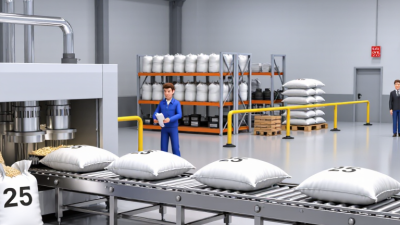
Automated bagging helps standardize pack weights, reduce manual handling, and support safer loading and unloading. The chart compares common industrial bag formats with the 23 kg load constant used in the Revised NIOSH Lifting Equation under ideal lifting conditions.

Reference basis: NIOSH Revised Lifting Equation load constant = 23 kg. Industrial pack sizes shown are commonly used nominal formats; actual specifications vary by material, destination, and applicable regulations.

What Factors Should Global Buyers Consider When Choosing Bagging Solutions?

Why Are Bagging Solutions Essential for Global Buyers?

Choosing a bagging solution requires more than comparing equipment prices. The system must match the product’s weight, texture, moisture level, and filling speed. Powdered goods may need dust control, while sharp materials require stronger film and reinforced seams. A practical trial can reveal problems that specifications miss. Watch the filled bag closely. Does it stand securely, seal evenly, and survive pallet movement?

Global buyers should examine machine compatibility, spare-part availability, operator training, and technical support across time zones. Packaging materials should suit the destination climate, especially where heat or humidity may weaken seals. Buyers also need clear documentation for local packaging, labeling, and recycling requirements. Total cost matters more than the initial quotation. Energy use, rejected bags, maintenance, and downtime can quietly increase expenses. No solution is perfect. Even experienced teams sometimes underestimate changeover time.

Tips: Request sample testing with your actual product. Measure filling accuracy over several production runs. Ask suppliers for maintenance schedules and response times. Check whether replacement parts are locally accessible. Review audit records, safety procedures, and quality controls before signing. A small pilot order may feel slower, but it can expose weak sealing, difficult cleaning, or unstable weighing early. Keep performance records after installation. Real operating data often challenges optimistic sales projections.

  • November 2025
  • 18/11 - 20/11
    Prod&Pack
    (Lyon, France)
  • 25/11 - 26/11
    Deutscher Fleisch Kongress
    (Mainz, Germany)
  • February 2026
  • 02/02 - 03/02
    Cheese Affair
    (Aarau, Switzerland)
  • 07/02 - 11/02
    Intergastra
    (Stuttgart, Germany)
  • 09/02 - 13/02
    Victus open doors event
    (Budapest, Hungary)
  • March 2026
  • 03/03 - 05/03
    Nemco Packaging Days
    (Viby, Denmark)
  • 10/03 - 12/03
    CFIA
    (Rennes, France)
  • 24/03 - 26/03
    Aquasur
    (Puerto Montt, Chile)

Default