What is the Best Bakery Packaging Solutions for Your Business?
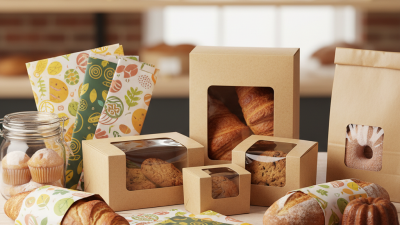
In the competitive world of baking, choosing the right bakery packaging solutions can significantly impact your business. Quality packaging not only preserves freshness but also creates a vital connection with customers. Attractive packaging can entice buyers, while sturdy materials ensure safe transportation.
Many businesses overlook the importance of selecting the right packaging. They may choose cost-effectiveness over quality, risking damage to products. This can lead to customer dissatisfaction and loss of trust. There are a variety of options available, including eco-friendly materials and customized designs that can set your brand apart.
Understanding the proper bakery packaging solutions requires consideration of your products. Whether you sell pastries, bread, or cakes, each item needs specific care. Experimentation might be necessary to find what works best for your brand. Focusing on both aesthetic appeal and functionality can enhance customer experience, ultimately driving sales.
Understanding the Importance of Packaging in the Bakery Industry
Packaging plays a crucial role in the bakery industry. It is not just about aesthetics; effective packaging protects products and extends shelf life. Freshness and quality are essential in a competitive market. Customers often judge products by their packaging. Well-designed packaging can influence purchasing decisions, enticing customers to choose one loaf over another.
Moreover, packaging communicates brand values. Eco-friendly materials can attract conscientious consumers. Clear labeling with ingredients and allergens is vital for customer trust. However, balancing sustainability and functionality can be a challenge. Not all materials provide adequate protection. Finding the right combination demands continuous testing and refinement.
In the bakery world, packaging also impacts logistics. Durable packaging helps prevent damage during transportation. That cuts loss and ensures products reach customers in ideal condition. Reflection on packaging strategies is necessary. What's working and what’s not? Regular feedback from customers can highlight areas for improvement. The journey is ongoing, and adapting to market trends is essential for success.
What is the Best Bakery Packaging Solutions for Your Business? - Understanding the Importance of Packaging in the Bakery Industry
| Packaging Type |
Material |
Best Use |
Cost (per unit) |
Sustainability |
| Bakery Boxes |
Cardboard |
Pastries, Cakes |
$0.50 |
Recyclable |
| Plastic Wrap |
Polyethylene |
Breads, Muffins |
$0.10 |
Not Recyclable |
| Pans/Baking Trays |
Aluminum |
Cakes, Pies |
$0.75 |
Recyclable |
| Custom Printed Bags |
Kraft Paper |
Cookies, Bread |
$0.40 |
Biodegradable |
| Cupcake Containers |
PET Plastic |
Cupcakes |
$0.30 |
Recyclable |
Types of Bakery Packaging Materials and Their Benefits
When choosing bakery packaging materials, it's crucial to consider their benefits and limitations. Paperboard is a popular choice for its recyclability and ease of printing. Packaging made from paperboard can enhance brand visibility. According to a recent report by the Freedonia Group, paper-based materials are projected to grow by 4.3% annually in the packaging market. However, their moisture barrier properties are not always ideal for fresh products.
Plastic packaging offers versatility and durability. It can help prolong the shelf life of baked goods. According to the Plastics Industry Association, around 40% of bakery products in the U.S. are packaged in plastic. These materials can protect from air and moisture, but they pose environmental concerns. Many consumers are becoming increasingly skeptical about single-use plastics.
A balance between aesthetic appeal and functionality is necessary. Retailers often prefer transparent packaging that showcases the product. This type of packaging can drive impulse purchases. Recycling rates for plastics remain low. Brands must reflect on their packaging choices, weighing short-term benefits against long-term sustainability.
Key Features to Look for in Bakery Packaging Solutions
When choosing bakery packaging solutions, several key features are essential. First, consider materials that ensure freshness. Bakery items like bread and pastries require breathable packaging to retain moisture. Choose eco-friendly options to appeal to environmentally conscious consumers. Their appeal can enhance your brand's image.
Durability is another important aspect. Packaging must withstand handling during transport. If it tears easily, your products may be damaged, leading to customer dissatisfaction. Invest in strong materials that offer both protection and aesthetic appeal. Eye-catching designs can attract customers and differentiate your offerings.
Tips: Reflect on your current packaging: What works and what doesn’t? Do your packages offer enough protection? Consult with suppliers about innovations in materials. Always be open to feedback from customers. Their insights can guide you in refining your packaging strategy.
Sustainable Packaging Options for Eco-Conscious Bakeries
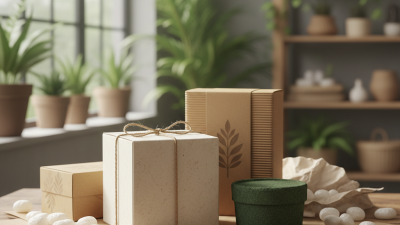
Sustainable packaging is essential for eco-conscious bakeries. A 2021 survey by McKinsey found that 60% of consumers prefer brands offering sustainable options. This trend is reshaping the bakery industry. Bakeries must consider biodegradable materials, compostable containers, and recyclable packaging. These choices reduce environmental impact while appealing to green-minded customers.
Tips: Explore alternatives like plant-based plastics. They break down more quickly than traditional plastics. Ensure your suppliers align with sustainability practices, too. This choice can enhance your credibility in a competitive market.
It’s important to recognize that not every eco-friendly option is perfect. Some compostable materials may not decompose efficiently in every environment. Research local waste management systems before committing. Staying informed about evolving packaging technologies will aid your decision-making. Invest time in testing various options to find the best fit for your bakery's needs.
Tips for Selecting the Right Packaging Supplier for Your Bakery
Choosing the right packaging supplier for your bakery is key. Quality packaging influences customer perception and can enhance product appeal. A reliable supplier should offer innovative designs that fit your brand's personality. Packaging must also ensure product freshness and safety.
When selecting a supplier, consider their expertise in food packaging. Look for suppliers who understand bakery needs. They should offer materials that are not only stylish but also functional. Ask about their sustainability practices. Eco-friendly options are becoming vital in today’s market.
Evaluate their responsiveness and customer service. A good supplier will address your concerns promptly. Reliability is crucial; delays in packaging can disrupt your operations. You might face challenges finding the right balance between cost and quality. It's essential to weigh options carefully, even when you're under pressure to cut costs.