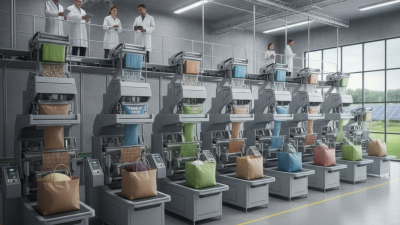
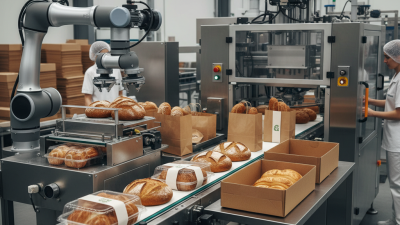
Global buyers need packaging that protects products, controls costs, and performs reliably across long supply chains. The right plastic packaging solutions must withstand vibration, humidity, temperature changes, and repeated handling. A clear pouch may suit dry goods, while a rigid container may better protect liquids or fragile components. Small design choices matter. Seal strength, material thickness, closure quality, and pallet efficiency can influence total performance.
Packaging author Walter Soroka describes packaging as “the science, art, and technology of enclosing and protecting products for distribution, storage, sale, and use.” This principle remains practical today. Effective packaging is not simply attractive plastic. It must balance product protection, manufacturing speed, shelf appeal, transport efficiency, and responsible material use. Buyers should also examine food-contact suitability, labeling requirements, recycling infrastructure, and supplier quality controls in each target market.
No format fits everything.
This guide reviews ten plastic packaging solutions for international purchasing teams. It focuses on realistic applications, including flexible films, stand-up pouches, PET bottles, HDPE containers, stretch film, shrink packaging, and protective components. Each option has strengths and limitations. A lightweight design may reduce shipping emissions, yet it could lose rigidity during storage. A multilayer structure may offer excellent barrier performance, but recycling can become more difficult.
These trade-offs deserve honest attention. Specifications should be tested with actual products, filling equipment, climate conditions, and distribution routes. The recommendations here provide a practical starting point, not a substitute for validation. Suppliers may also need to revise designs as regulations, technologies, and local recycling systems change.
Understanding plastic packaging needs across global markets starts with the product, not the container. A humid coastal route may require stronger moisture protection. A cold shipment can make certain plastics brittle. I have seen attractive packaging fail after repeated temperature changes. That experience makes testing more important than appearance. Buyers should compare flexible pouches, rigid bottles, jars, tubs, trays, films, shrink sleeves, blister packs, protective inserts, and reusable crates.
Global buyers also need practical evidence. Ask for material specifications, migration testing where applicable, seal-strength data, and transport trial results. Packaging should match local recycling infrastructure and clearly identify its material type. A technically recyclable package may still be difficult to process in a specific region. That gap is easy to overlook. I would also review supplier consistency, batch records, and quality-control procedures before approving large volumes. Cost comparisons should include freight, damage rates, storage space, and disposal expectations. Sometimes the cheapest unit creates the highest operational cost.
Global buyers often compare plastic packaging by product protection, shipping cost, filling speed, and recycling options. Ten common solutions serve different operating conditions.
Polyethylene bags and films suit lightweight goods, but punctures remain a concern. Stand-up pouches save shelf space and use less material than many rigid packs. Plastic bottles offer precise dosing for liquids, while jerrycans provide stronger handling for larger volumes. Tubs work well for creams, powders, and household products, especially with wide openings. Plastic trays protect arranged items during storage, though they may require extra wrapping. Clamshells improve product visibility and tamper evidence, but their sealed edges can slow packing lines. Shrink film creates tight bundles around cartons or multipacks. Stretch film stabilizes pallets and reduces shifting during transport. Plastic drums handle bulk liquids and solids, while intermediate bulk containers support higher-volume distribution.
Material selection needs practical testing, not only a supplier quotation. Check seal strength, drop resistance, temperature exposure, and stacking performance. A package that survives a warehouse may still fail after a humid ocean shipment. Recycled content can reduce virgin resin use, but availability and food-contact requirements must be verified. Lightweighting also lowers freight costs, yet thinner walls may create more damage. In sourcing reviews, teams sometimes focus on unit price and overlook filling equipment compatibility. That mistake can become expensive. Packaging specifications should include dimensions, resin type, closure fit, labeling area, and inspection standards. Local recycling systems also differ, so a technically recyclable pack may not be recovered in practice.
| Plastic Packaging Solution | Common Materials | Typical Applications | Protection and Barrier Performance | Typical Formats | Key Advantages | Main Limitations | Recycling Considerations | Best Fit for Global Buyers |
|---|---|---|---|---|---|---|---|---|
| 1Rigid PET Containers | Polyethylene terephthalate (PET), often clear or tinted | Water, beverages, edible oils, personal-care products, sauces and household liquids | Good clarity, impact resistance and moisture protection; moderate protection against oxygen unless enhanced with additives or multilayer construction | Bottles, jars, wide-mouth containers and thermoformed trays | Lightweight, strong, transparent and widely accepted in established recycling systems | Limited resistance to high temperatures; oxygen and light protection may require additional design features | Generally identified as resin code 1; clear, clean and mono-material PET is usually the easiest format to sort and recycle | Packaged beverages and consumer products requiring shelf visibility, low transport weight and broad market acceptance |
| 2HDPE Bottles and Containers | High-density polyethylene (HDPE), natural, white or pigmented | Milk, detergents, shampoos, chemicals, agricultural products and pharmaceutical liquids | Excellent moisture resistance, good chemical resistance and strong impact performance; limited oxygen and light barrier in standard grades | Bottles, jerry cans, drums, pails and industrial containers | Durable, leak-resistant, relatively low cost and suitable for demanding handling conditions | Lower transparency than PET; some aggressive chemicals and high temperatures require compatibility testing | Generally identified as resin code 2; natural and unpigmented HDPE is commonly preferred by sorting and recycling systems | Industrial, household and personal-care products that need robustness, chemical resistance and reliable distribution performance |
| 3PP Containers and Lids | Polypropylene (PP), including homopolymer and copolymer grades | Food tubs, microwaveable packs, caps, closures, medical items and hot-fill products | Good moisture barrier, fatigue resistance and heat performance; moderate oxygen barrier and limited protection from light | Tubs, pots, hinged lids, caps, trays and reusable containers | Good balance of stiffness, heat resistance, chemical resistance and low density | Can become brittle at low temperatures; recycling availability varies considerably by country and municipality | Generally identified as resin code 5; clean mono-material PP is increasingly accepted, but collection access is not universal | Food and consumer goods requiring heat resistance, repeated opening and closing, or durable closures |
| 4Flexible PE Film and Pouches | Low-density polyethylene (LDPE), linear low-density polyethylene (LLDPE) and related PE structures | Frozen food, fresh produce, bakery products, pet food, detergents and refill systems | Excellent moisture barrier, strong sealability and good puncture performance; gas barrier depends on film structure and thickness | Rollstock, bags, stand-up pouches, refill pouches and liner bags | Very low packaging weight, efficient material use, strong seals and reduced shipping volume | Lower stiffness and puncture resistance than rigid packaging; multilayer structures can complicate recycling | Often identified as resin code 4 when primarily LDPE; recycling generally requires dedicated flexible-film collection and compatible mono-material design | Products where low weight, compact logistics and convenient dispensing are more important than rigid pack geometry |
| 5Multilayer Barrier Films | PE or PP combined with barrier layers such as EVOH, polyamide or metallized film | Meat, cheese, coffee, sauces, medical products and shelf-stable foods | High protection against oxygen, aroma transfer, moisture and sometimes light; performance depends on layer design | Vacuum bags, lidding films, sachets, pouches and thermoformable webs | Can significantly extend shelf life and protect sensitive products from oxygen or moisture | Different polymer layers are difficult to separate; material selection and sealing conditions require technical validation | Often not compatible with conventional mechanical recycling unless designed as a recyclable mono-polymer barrier structure; check local rules | High-value or sensitive products where shelf-life extension can reduce product waste and distribution losses |
| 6Plastic-Glassine or Plastic-Paper Composite Packs | Paper or fiber substrate combined with PE, PP or another polymer coating | Dry foods, snack products, bakery items, labels, sachets and promotional packs | Paper provides stiffness and printability; the polymer layer adds moisture and grease resistance, while gas barrier varies by construction | Coated paper bags, wraps, sachets, labels and laminated cartons | Strong graphics, good shelf presentation and a paper-like appearance with added sealing or moisture protection | Mixed-material construction can hinder recycling; performance may decline when exposed to high humidity | Recyclability depends on coating weight, fiber recovery and local mill capability; composite formats should not be assumed to be recyclable | Retail products needing high-quality printing, moderate barrier protection and a paper-dominant visual appearance |
| 7Plastic Trays and Clamshells | PET, rPET, PP or other thermoformable polymers | Fresh produce, bakery goods, meat, electronics, hardware and small consumer products | Good product visibility and physical protection; barrier performance depends on resin, thickness, lidding and optional coatings | Thermoformed trays, hinged clamshells, compartment trays and produce packs | Protects shape-sensitive goods, supports product display and enables standardized packing operations | Can use more material than flexible packs; bulky empty volume may increase transport and storage requirements | Clear mono-material PET or PP is generally preferable; attached labels, adhesives and mixed components can affect sorting and recycling | Fresh, fragile or high-visibility products that need physical protection and direct product inspection at retail |
| 8Plastic Drums, Pails and IBC Containers | HDPE, PP and multilayer polyethylene for selected chemical products | Industrial chemicals, lubricants, coatings, food ingredients, powders and bulk liquids | High mechanical strength and good moisture and chemical resistance; exact performance depends on contents, wall design and closure system | Drums, pails, jerry cans and intermediate bulk containers | Reusable options, stackability, efficient bulk handling and strong resistance to impact during transport | Higher upfront cost and storage footprint; hazardous or contaminated packs require controlled handling and cleaning | Rigid HDPE and PP formats may be recycled after appropriate emptying and decontamination; regulated contents require documented procedures | Bulk shipments and industrial supply chains where durability, stackability and container reuse provide measurable logistics benefits |
| 9Plastic Tubes | PE, PP or multilayer plastic structures with plastic or aluminum barrier layers | Toothpaste, cosmetics, creams, gels, adhesives, pharmaceuticals and food pastes | Good moisture protection and controlled dispensing; oxygen and light barrier vary widely by tube construction | Squeeze tubes, laminated tubes, dispensing tubes and applicator packs | Convenient dosing, low product residue, good portability and effective protection from external contamination | Small size and mixed layers or closures may reduce sorting efficiency; some products require compatibility and migration testing | Mono-material PE or PP tubes are generally more compatible with recycling than tubes containing aluminum or incompatible layers | Viscous products requiring hygienic dispensing, portability and controlled portion delivery |
| 10Plastic Caps, Closures and Dispensing Systems | PP, HDPE, low-density PE and engineering plastics for specialized components | Beverage bottles, personal care, household chemicals, food sauces and medical packaging | Provides leak prevention, tamper evidence and controlled dispensing; barrier contribution is usually secondary to the primary container | Screw caps, flip-top closures, pumps, spouts, sport caps and child-resistant closures | Improves product safety, convenience, resealability and protection against leakage or contamination | Small components can be lost during sorting; pumps and spring-containing systems often require disassembly or specialized processing | Closures should be compatible with the main container where possible; tethered closures can help keep caps with beverage bottles during collection | Consumer products needing reliable resealing, tamper evidence, controlled flow or enhanced user convenience |
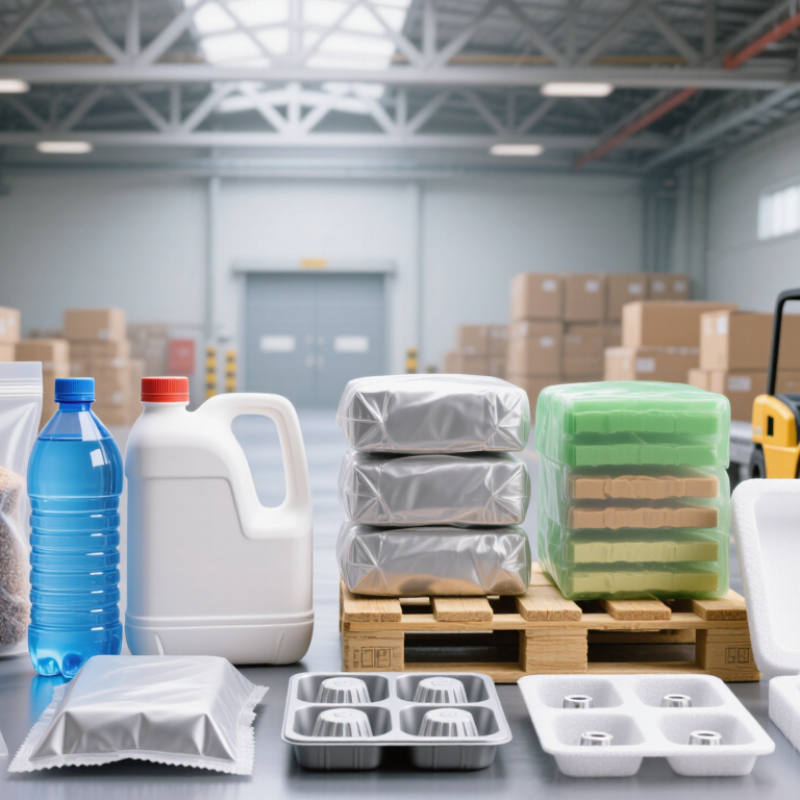
Note: Performance, regulatory acceptance and recyclability depend on resin grade, additives, packaging thickness, product compatibility, filling conditions and the collection infrastructure available in the destination market.
10 Best Plastic Packaging Solutions for Global Buyers
Evaluating Materials, Features, and Product Applications
Selecting plastic packaging requires more than comparing unit prices. Material choice affects protection, transport efficiency, recycling access, and product shelf life. No option wins every test.
PET bottles offer clarity and strong oxygen resistance for beverages and personal-care liquids. HDPE bottles suit cleaners, detergents, and thicker formulas because they resist impact and many chemicals. LDPE films provide flexibility for liners, bags, and stretch wrapping, but punctures remain a practical concern. PP tubs and jars handle heat better than many alternatives and support food, cosmetic, and household applications. Stand-up pouches reduce shipping volume, although their multilayer structures may complicate recycling. Barrier films protect moisture-sensitive products, yet buyers should verify actual performance through shelf-life testing.
Thermoformed trays hold components securely and use less material when designed correctly. Rigid clamshells improve product visibility, but difficult opening can frustrate users. Plastic jerrycans provide durable liquid storage for industrial and agricultural products, subject to regional transport requirements. Reusable crates support repeated distribution cycles and reduce disposable packaging, though they need reverse-logistics planning. PCR plastic can lower demand for virgin resin, but color variation and inconsistent supply may affect appearance and production stability.
Ask for migration data, drop-test results, seal strength, and dimensional tolerances. Confirm the resin, additives, and recycled content in writing. “Recyclable” can be misleading without local collection infrastructure. That assumption can fail. Small pilot shipments often reveal stacking, leakage, or labeling problems before full production. Specification sheets help, but real handling conditions matter more.
Evaluating materials, features, and product applications
The chart compares representative polymer densities commonly used in packaging. Lower-density materials can support lightweight designs, while higher-density materials may offer useful stiffness, clarity, or dimensional stability. Actual package performance also depends on wall thickness, additives, construction, closures, and local recycling infrastructure.
| Packaging solution | Primary material | Key features | Typical applications |
|---|---|---|---|
| PET bottles | PET | Clarity, strength, gas-barrier capability | Water, beverages, sauces, personal care |
| HDPE bottles and jerrycans | HDPE | Impact resistance, chemical resistance, rigidity | Detergents, chemicals, milk, industrial liquids |
| PP tubs and containers | PP | Heat resistance, low density, living hinges | Yogurt, food spreads, household products |
| LDPE pouches and liners | LDPE | Flexibility, sealability, moisture resistance | Powders, frozen foods, inner liners |
| LLDPE stretch film | LLDPE | Stretchability, puncture resistance, load stability | Pallet wrapping and logistics protection |
| BOPP films | Oriented PP | High clarity, printability, good stiffness | Snack packs, labels, overwraps |
| PVC blister packs | PVC | Thermoformability, transparency, rigidity | Small hardware, consumer goods, medical items |
| PS protective inserts | PS | Lightweight, formability, cushioning when foamed | Electronics, appliances, fragile products |
| PET thermoformed trays | PET | Clarity, dimensional stability, display appeal | Fresh produce, bakery, prepared foods |
| HDPE crates and reusable bins | HDPE | Durability, moisture resistance, repeated-use potential | Distribution, agriculture, warehouse handling |
Global buyers need more than attractive plastic packaging. They need ten practical options that survive compliance checks and international transport: mono-material pouches, recycled-content bottles, lightweight films, rigid containers, reusable crates, protective cushioning, tamper-evident seals, barrier trays, refillable systems, and recyclable closures. Each solution should match the product, destination, and recovery infrastructure.
Compliance starts with traceable materials.
Confirm food-contact status, restricted-substance declarations, migration testing, labeling rules, and extended producer responsibility duties. Requirements differ by market.
The European Packaging and Packaging Waste Regulation is increasing pressure on recyclability, recycled content, and packaging reduction.
The OECD Global Plastics Outlook reported 353 million tonnes of plastic waste in 2019, while only 9% was recycled.
That figure should challenge every “green” claim.
Shipping adds another test.
Packaging must resist compression, humidity, vibration, and temperature changes inside containers.
Use documented specifications, batch records, and independent laboratory testing.
A thinner film may reduce material use, but a torn shipment creates more waste and financial loss.
Reusable HDPE crates can work for closed distribution loops, but reverse logistics may cancel the benefit. Sometimes, they do.
Buyers should request life-cycle data, recycled-content evidence, and disposal guidance before approval. No checklist is perfect. Local recycling access can change the answer.
Choosing a plastic packaging supplier requires more than comparing unit prices. A reliable partner should understand your product, shipping route, storage conditions, and target market. Ask for material specifications, production photographs, sample batches, and documented quality procedures. Factory experience matters.
The right solution may be a flexible pouch, rigid bottle, thermoformed tray, protective film, or reusable container. Select by function, not appearance. A frozen-food package needs seal strength and low-temperature performance. A cosmetic bottle may need chemical compatibility, controlled dispensing, and a stable neck finish. Test samples under real conditions, including drops, compression, heat, moisture, and transport vibration.
My first supplier scorecard was too simple. It focused on price and delivery time, but missed mold ownership and backup production capacity. That mistake could have delayed a launch. Now, I check minimum order quantities, tooling charges, lead times, inspection methods, and corrective-action records. I also confirm whether the supplier can provide traceable batches and consistent color control. For international sales, request documentation supporting applicable food-contact, recycling, labeling, and import requirements in each destination. Do not assume one certificate covers every market. Clear communication helps, but written evidence is safer. A small pilot order can reveal weak seals, uneven walls, or confusing cartons before a large commitment.