China has become a major sourcing hub for buyers seeking reliable solutions pack suppliers. Its factories serve food, cosmetics, healthcare, electronics, and household brands. Many combine flexible production with competitive pricing and fast customization.
The strongest suppliers offer more than attractive samples. They explain material grades, sealing methods, filling compatibility, minimum order quantities, and production limits. Buyers should request factory photographs, recent test reports, sample approvals, and clear quality-control procedures. A supplier that answers quickly but avoids technical details deserves caution. Small details matter. A weak seal can damage an entire shipment.
Packaging analyst David Luttenberger often emphasizes that packaging must protect both the product and the brand experience. His practical view is simple: “Packaging is not just a container; it is part of the product’s value.” This principle helps global buyers evaluate a solutions pack partner beyond price.
A dependable Chinese supplier should also discuss export documentation, production lead times, inspection stages, and recyclable material options. Certifications must match the destination market and the product category. Buyers should verify them independently, rather than accepting scanned documents without review.
Experience still reveals uncomfortable truths. The lowest quotation may exclude tooling, testing, freight preparation, or later design changes. Some suppliers also show polished samples that do not represent mass production. That risk is real.
This guide compares China’s leading solutions pack suppliers through product capability, manufacturing experience, communication quality, customization support, and compliance awareness. It cannot remove every sourcing uncertainty. However, it can help buyers ask sharper questions, avoid preventable mistakes, and build a more dependable packaging supply chain.
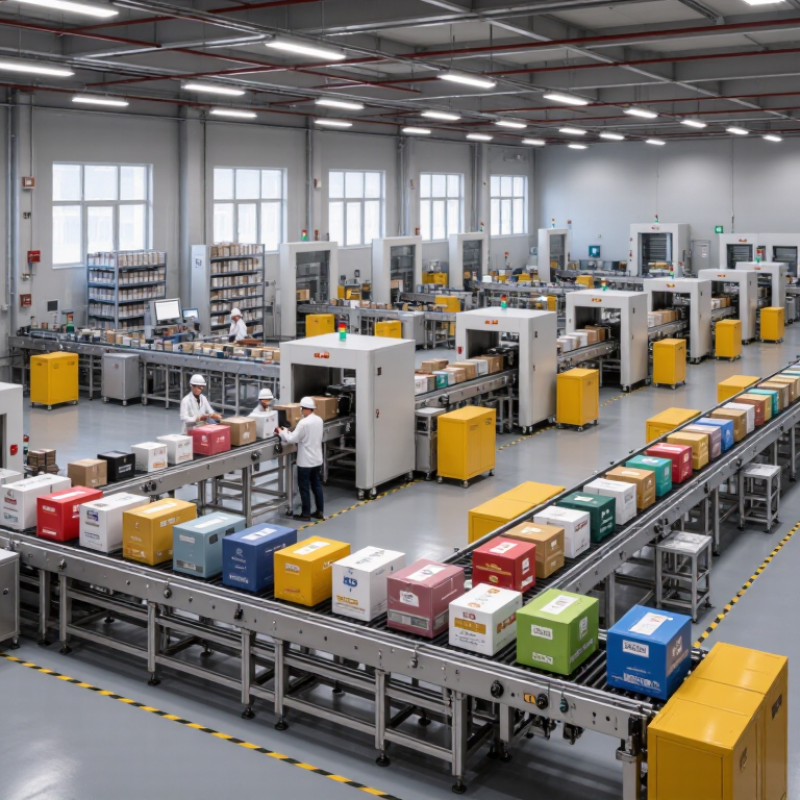
Solutions pack suppliers design, produce, and test complete packaging systems. They may provide pouches, cartons, films, labels, filling support, and custom logistics packaging. China is attractive because its manufacturing network connects material producers, converters, printers, and testing laboratories in one region.
According to Smithers’ The Future of Global Flexible Packaging to 2028, the global flexible packaging market reached about US$201.5 billion in 2023. It could exceed US$254 billion by 2028. This growth increases demand for lighter structures, reliable sealing, and lower material use. Chinese suppliers often offer flexible minimum quantities, rapid sampling, and integrated production. However, cheap quotations can hide higher inspection, tooling, or freight costs. A practical audit should review material certificates, production records, color samples, and seal-strength results. ISO 18601 packaging guidance can support this process. Experience shows that a perfect sample does not guarantee stable mass production.
Tips: Ask for a complete cost sheet, not only the unit price. Confirm food-contact or product-safety documents where relevant. Request third-party testing for barrier performance, migration, and compression strength. Check whether the supplier can trace each material batch.
China should not be chosen on price alone. Buyers need clear drawings, measurable tolerances, and written approval stages. Sustainability claims also need evidence. A recyclable structure may still fail if local recycling systems cannot process it. This detail is often overlooked.
China’s strong position in packaging supply is supported by its large manufacturing base, high share of global merchandise exports, and extensive container-port infrastructure. These factors help global buyers source flexible, scalable, and cost-efficient packaging solutions.
A leading solutions pack supplier should show more than attractive catalog images. Ask for factory details, production capacity, material specifications, and recent quality records. Reliable suppliers explain their process clearly and answer technical questions without avoiding weak points.
Request physical samples before discussing large orders. Check sealing strength, print accuracy, surface finish, dimensions, and package consistency. Use the same test conditions for every supplier. A sample that looks excellent may still fail during transport or storage. I have found that simple drop tests often reveal problems hidden in photographs.
Evaluate the factory, not only the sales representative. A video tour can help, but an independent audit offers stronger evidence. Review quality-control checkpoints, worker training, equipment maintenance, and batch traceability. Ask how defects are recorded and corrected. Good suppliers welcome these questions. Some may provide incomplete documents, and that deserves careful follow-up.
Confirm production timelines with written milestones. Compare minimum order quantities, tooling charges, inspection methods, and replacement policies. Check whether the supplier can maintain identical quality across repeated batches. References from comparable buyers can add useful evidence, but they should not replace direct testing. No checklist is perfect. Document every finding and revisit uncertain details before signing an agreement.
China’s top packaging suppliers serve global buyers with more than cartons and printed bags. Their product ranges often include corrugated boxes, folding cartons, flexible pouches, rigid containers, protective foam, labels, and retail displays. Some also provide molded pulp inserts for fragile goods. The right supplier should show material specifications, production samples, and measurable quality records.
Services can extend from structural design to prototyping, color management, testing, and export packing. Experienced teams may use compression tests, drop tests, and moisture checks before mass production. ASTM D4169 and ISO 11607 are useful references for transport and sterile-packaging requirements. According to Smithers, the global packaging market is projected to exceed $1.3 trillion by 2028, increasing demand for scalable and documented supply chains. Packaging Europe also reports continuing investment in recyclable and fiber-based formats.
Digital proofing reduces approval time, but it cannot replace a physical sample. Small color differences still appear under warehouse lighting. Suppliers may offer barcode verification, artwork checks, and inspection reports, yet buyers should review the testing method itself. A 2023 PMMI report identified automation and sustainability as major packaging investment priorities in manufacturing. That sounds straightforward. It is not always.
Some suppliers provide kitting, palletization, container loading, and shipment coordination. Others support low-volume trials before larger orders. Buyers should confirm recycled content, food-contact documentation, tolerances, and factory inspection access. A polished catalog proves little. A transparent sample trail proves more. Mistakes still happen, especially when drawings change late.
| Packaging Solution | Main Products | Common Materials | Typical Customization | Services Commonly Provided | Indicative MOQ | Market Requirements Commonly Addressed |
|---|---|---|---|---|---|---|
| Corrugated Shipping Packaging | Shipping cartons, mailer boxes, die-cut boxes, display cartons, protective inserts | Kraft linerboard, test liner, recycled paperboard, corrugated medium | Box dimensions, flute profile, printing, partitions, handles, tear strips, coatings | Structural design, sample production, compression testing, barcode printing, export packing | About 500–5,000 pieces | FSC-certified paper options, recycled-content requirements, ISTA-style transport testing |
| Flexible Film and Pouch Packaging | Stand-up pouches, flat pouches, vacuum bags, sachets, rollstock, spouted pouches | PET, PE, PP, BOPP, CPP, nylon, aluminum foil, metallized films, paper laminates | Gloss or matte finish, zipper, window, spout, hang hole, tear notch, barrier level, custom printing | Artwork prepress, laminate selection, seal-strength testing, leak testing, filling compatibility checks | About 10,000–50,000 pieces | Food-contact documentation, migration testing, REACH-related material declarations, recycling guidance |
| Rigid Plastic Containers | Bottles, jars, tubs, caps, closures, trigger sprayers, pump dispensers | PET, HDPE, LDPE, PP, PVC, recycled PET, elastomers for seals | Volume, neck finish, color, shape, closure type, embossing, labels, silk-screen printing | Mold development, prototyping, drop testing, torque testing, leak testing, assembly and kitting | About 5,000–30,000 pieces | Food, cosmetic or chemical-contact specifications; PCR-content and recyclability options |
| Glass Packaging | Glass bottles, jars, cosmetic containers, dropper bottles, spray bottles | Clear glass, amber glass, flint glass, colored glass, aluminum and plastic closures | Capacity, neck size, glass color, frosting, coating, embossing, printing, closure matching | Bottle selection, mold development, decoration, cap matching, transit protection and palletization | About 5,000–20,000 pieces | Food-contact suitability, cosmetic packaging specifications, impact and thermal-shock testing where required |
| Metal Packaging | Tin cans, metal tins, aerosol cans, aluminum bottles, tubes, lids and closures | Tinplate steel, aluminum, coated steel, food-grade internal lacquer | Shape, thickness, opening style, internal coating, lithographic printing, embossing, pull tabs | Can design, coating selection, seam inspection, pressure testing, filling-line compatibility checks | About 10,000–50,000 pieces | Food-contact coating documentation, corrosion resistance, dangerous-goods packaging support when applicable |
| Paperboard and Folding Cartons | Folding cartons, sleeves, gift boxes, rigid setup boxes, paper inserts | Folding boxboard, solid bleached board, kraft board, recycled board, specialty papers | Window film, foil stamping, embossing, spot varnish, magnetic closure, die-cut structures | 3D mock-ups, color proofing, structural engineering, finishing, packing and fulfillment | About 1,000–10,000 pieces | FSC paper options, recycled fiber content, low-migration inks and packaging-recyclability considerations |
| Molded Fiber and Sustainable Packaging | Pulp trays, protective inserts, egg cartons, clamshells, molded-fiber food containers | Recycled paper pulp, bamboo fiber, bagasse, wheat straw fiber and molded cellulose | Shape, wall thickness, texture, color, water resistance, oil resistance, stacking design | Tooling design, compression testing, fit testing, compostability documentation and packaging optimization | About 10,000–50,000 pieces | Recycled-content claims, compostability or biodegradability evidence, food-contact testing where applicable |
| Labels and Product Identification | Pressure-sensitive labels, shrink sleeves, wraparound labels, thermal labels, hang tags | Paper, PP, PE, PET, direct-thermal stock, aluminum foil, specialty films | Adhesive type, finish, variable data, serialization, QR codes, security features, die-cut shape | Artwork checking, color management, barcode verification, roll configuration and application testing | About 10,000–100,000 labels | Barcode readability, chemical resistance, food-contact or regulatory label-content requirements |
| Packaging Machinery and Automation | Filling machines, sealing machines, labeling machines, cartoners, wrapping systems, coding equipment | Stainless steel frames, food-grade contact parts, engineered polymers, electrical and pneumatic components | Speed, product format, container size, control system, tooling, sensors, line integration | Line planning, factory acceptance testing, installation guidance, operator training, spare-parts support | Usually 1 complete machine or production line | CE-marking support for applicable markets, electrical safety documentation and hygiene-oriented design |
| End-to-End Packaging Development | Concept packaging, coordinated component sets, trial packaging, retail-ready and e-commerce packaging | Paper, board, plastic, glass, metal, molded fiber and hybrid material combinations | Brand artwork supplied by the buyer, structural design, material reduction, pack-size optimization | Sourcing, prototyping, quality inspection, consolidation, warehousing, export documentation and logistics coordination | Project-dependent; pilot runs may start below mass-production MOQ | Specification control, supplier audits, product testing, sustainability documentation and shipment inspection |
Note: MOQ ranges, lead times, testing scope and certifications vary according to material, tooling, order quantity, printing method and destination-market requirements.
Choosing a China-based packaging supplier requires more than comparing quotations.
I examine production records, material traceability, and shipment samples. The ISO Survey 2023 reported about 1.26 million ISO 9001 certificates worldwide. Yet certification alone proves little. Buyers should verify the certificate’s scope, issuing body, renewal date, and factory address.
Quality checks must match the destination market. Request migration, strength, moisture, and dimensional test reports from accredited laboratories. For printed packs, review ink adhesion and color tolerance under actual lighting.
OECD’s Global Plastics Outlook reported 353 million tonnes of plastic waste in 2019, with only 9% recycled. That makes recycled content claims worth testing, not merely trusting. Documentation can fail.
Capacity needs practical evidence. Ask for monthly output by product type, equipment lists, staffing levels, and recent production schedules. A factory may quote a large annual capacity, but peak-season availability could be much lower.
Request a controlled pilot order before signing a long-term agreement. Track defect rates, inspection results, lead times, and corrective actions.
I would also compare declared capacity with power usage, warehouse space, and loading activity. These details are imperfect, but they reveal gaps. A supplier that welcomes independent audits, production trials, and transparent reporting is usually easier to manage across borders.
China offers many packaging solution suppliers, but the lowest quotation is rarely the full cost. A reliable comparison includes material, dimensions, printing, tooling, packaging, and inspection fees. Ask suppliers to separate these items clearly. One missing mold charge can change the budget.
Request a sample before placing a large order. Check folding accuracy, color consistency, surface finish, and carton strength. Confirm the minimum order quantity and production timeline in writing. A quote should also state its validity period. Raw material prices can move quickly. That detail is often overlooked.
Shipping needs equal attention. Compare EXW, FOB, and DDP prices only after defining the delivery address and customs responsibilities. Calculate the landed cost, not just the factory price. Sea freight may suit bulky cartons, while air freight helps urgent samples. Delays happen. Leave buffer time for inspection and port congestion. Supplier selection should include factory experience, quality controls, export documents, and communication speed. Request recent product photos, test records, and a video inspection when travel is impossible. A polished website proves little. Clear answers matter more. Sometimes, buyers focus too heavily on price and regret that decision later.