Choosing among the 10 best solutions pack suppliers for global buyers requires more than comparing catalog prices. A reliable partner must understand product protection, labeling needs, shipment planning, and regional market expectations. This article examines suppliers that support practical packaging and fulfillment requirements across multiple industries.
The term “solutions pack” can mean different things. It may include custom boxes, protective inserts, retail-ready packs, or complete packaging programs. Buyers should review materials, production capacity, quality controls, minimum order quantities, and communication standards. Samples matter. A photograph cannot reveal weak seams, inaccurate colors, or poor internal fitting.
Experience often appears in small details. A capable supplier may provide clear specifications, measured prototypes, inspection records, and realistic delivery schedules. Certifications can strengthen confidence, but they should be verified rather than accepted automatically. References from comparable buyers are also valuable, especially for international orders involving several transport stages.
No supplier is perfect. Some may offer excellent customization but limited flexibility for small orders. Others may provide competitive pricing while requiring longer production windows. I have found that the “best” choice depends on product risk, order volume, destination, and required support. This ranking therefore considers performance, transparency, responsiveness, and documented capabilities instead of promotional claims alone. Buyers should still conduct their own checks before signing a contract. Small omissions can become expensive later. The goal is not merely to find packaging. It is to build a dependable supply relationship.
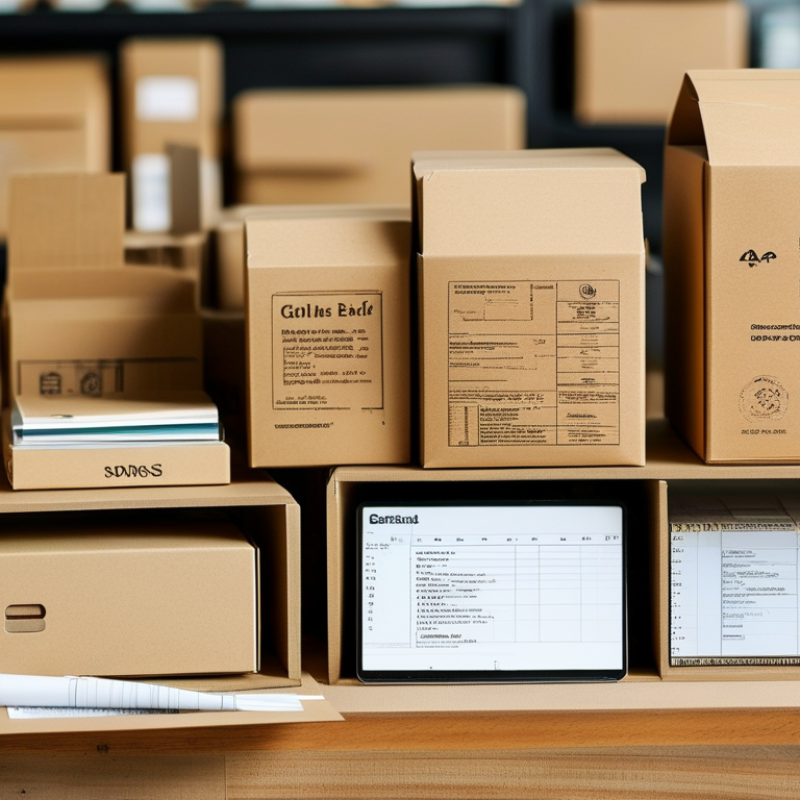
Solutions pack suppliers provide coordinated packaging services for global buyers. They may support product design, material selection, sampling, printing, filling, labeling, and shipment preparation. Instead of managing several factories, buyers can work with one experienced partner. This reduces communication gaps and helps keep dimensions, colors, and delivery schedules consistent. A reliable supplier should explain material performance, production limits, quality checks, and documentation clearly. Small details matter. For example, a carton designed for a dry warehouse may fail after long exposure to humidity during ocean transport.
Global buyers need these suppliers because markets rarely share the same expectations. Packaging may require different languages, sizes, recycling information, or transport protection. Skilled suppliers can adjust solutions without changing the product’s identity. They can also provide prototypes, batch records, inspection photos, and test reports. These documents support better purchasing decisions and improve traceability. However, a polished sample does not guarantee stable mass production. This is where many buying teams become too confident. Factory visits, independent inspections, and small pilot orders remain sensible safeguards.
Tips: Ask for a complete production timeline, not only a shipping date. Check whether samples use the same materials as full production. Request clear tolerances for weight, color, sealing, and dimensions. Compare at least two quotations with identical specifications. Keep approval records in writing. If a supplier avoids technical questions, pause before committing. A cheaper package can create higher costs through damage, rework, or delayed delivery.
When evaluating international solutions pack suppliers, begin with measurable evidence, not polished catalogs. Request batch samples, material specifications, compression results, and migration testing where food contact applies. The OECD’s Global Plastics Outlook reports that global plastic waste reached 353 million tonnes in 2019, while only 9% was recycled. This makes material traceability and recovery planning essential.
Check whether the supplier controls quality across factories, not only at headquarters. Ask for ISO 9001 records, recent audit findings, corrective-action reports, and production-capacity data. Verify lead times using real shipping lanes, seasonal demand, and customs documentation. A strong supplier should explain tolerance limits clearly. Vague answers are costly.
Sustainability claims also require practical proof. Request recycled-content percentages, chain-of-custody documents, and packaging weight comparisons. The United Nations Environment Programme projects municipal solid waste could reach 3.8 billion tonnes annually by 2050. Suppliers should therefore show how designs reduce material use without weakening protection. Price still matters, but landed cost is more useful than unit price. Include tooling, freight, inspection, rejected goods, and currency risk. Some buyers overlook after-sales support. That mistake is avoidable. Test communication during a small pilot order, because impressive samples can hide inconsistent production.
Global buyers need more than low prices from the top 10 solutions pack suppliers. They need dependable materials, stable production, and clear export documentation. The strongest suppliers usually cover flexible packaging, rigid containers, cartons, labels, closures, protective packaging, packing machinery, automation, sustainable materials, and contract packing.
Industry data shows why this market matters. Smithers’ The Future of Global Packaging to 2028 forecasts the global packaging market will exceed US$1 trillion by 2028. Grand View Research also reports that sustainable packaging is expanding rapidly, supported by a projected 7.3% CAGR from 2023 to 2030.
These figures suggest that global suppliers must offer measurable material savings, recyclable structures, and reliable performance. In practice, I would examine barrier testing, seal strength, moisture resistance, and batch traceability. A polished catalog is not enough. Some suppliers still provide vague sustainability claims, which deserves careful questioning.
Tips Request three recent test reports, one pilot sample, and a realistic production timeline. Check whether the supplier can support multiple languages, currencies, and destination-market requirements.
Also compare minimum order quantities, tooling fees, shipping terms, and after-sales response times. A supplier may look excellent during sampling but struggle during seasonal demand. That risk is easy to overlook. Evaluate ten suppliers using the same scorecard, then conduct a small commercial trial before signing a larger agreement.
Global buyers should judge packaging-solution suppliers beyond attractive quotations. Product quality starts with repeatable specifications, not polished samples. Ask for material composition, dimensional tolerances, batch records, and independent test results. The ISO Survey 2022 recorded more than 1.26 million ISO 9001 certificates worldwide. That figure shows certification is common, but it does not guarantee flawless production. I would still request recent inspection data and a small pilot order.
Pricing needs a landed-cost view. Include tooling, packaging, freight, duties, inspection, and possible rejection costs. Smithers’ global packaging research forecasts continued market growth through 2029, increasing pressure on materials and production capacity. Low prices may hide weaker substrates or longer queues. Compare at least three quotations using identical specifications. Small details matter. A thinner film can reduce cost, yet create sealing failures during humid transport.
Certifications should match the application and destination market. Check ISO 9001, ISO 14001, recycled-content evidence, and applicable food-contact documentation. Verify certificate numbers directly with issuing bodies. Delivery performance deserves equal attention. The World Bank’s Logistics Performance Index 2023 shows major differences in customs, infrastructure, and shipment reliability across economies. Request a written lead-time schedule, production milestones, buffer stock options, and an on-time delivery history. My experience suggests suppliers often promise shipment dates too confidently. Build contingency time into the purchase plan.
Anonymous supplier comparison based on commonly available international packaging capabilities and indicative market ranges
| Supplier | Primary Production Region | Main Packaging Solutions | Material Options | Typical Quality Evidence | Relevant Certifications to Request | Indicative Price | Typical MOQ | Production Lead Time | Estimated Delivery | Best Fit |
|---|---|---|---|---|---|---|---|---|---|---|
| Supplier 01 | East Asia | Flexible pouches, sachets, roll stock | PET, PE, PP, aluminium foil, recyclable mono-material films | COA, AQL inspection, seal-strength testing | ISO 9001; food-contact compliance; migration testing where applicable | US$0.04–0.28/unit | 10,000–50,000 units | 18–35 days | 15–45 days by sea; 3–8 days by air | Retail and food products |
| Supplier 02 | South Asia | Paper bags, cartons, corrugated cases | Kraft paper, recycled board, corrugated fibreboard | Bursting strength, GSM, compression tests | ISO 9001; FSC chain of custody if certified material is required | US$0.08–1.20/unit | 5,000–20,000 units | 15–30 days | 18–50 days by sea; 4–10 days by air | E-commerce and consumer goods |
| Supplier 03 | Southeast Asia | Stand-up pouches, spouted packs, retort packaging | High-barrier laminates, retort film, PE and PP | Barrier testing, retort validation, leak testing | ISO 9001; HACCP or FSSC 22000; applicable food-contact rules | US$0.07–0.42/unit | 20,000–100,000 units | 25–45 days | 15–40 days by sea; 4–9 days by air | Sauces, snacks and wet foods |
| Supplier 04 | Europe | Rigid containers, jars, lids and closures | HDPE, PET, PP, glass and recycled-content polymers | Dimensional inspection, torque tests, drop tests | ISO 9001; BRCGS Packaging Materials; REACH compliance where relevant | US$0.12–1.80/unit | 10,000–50,000 units | 30–60 days | 3–14 days by road; 3–7 days by air | Cosmetics and premium products |
| Supplier 05 | North America | Industrial sacks, bulk bags and liner systems | Woven PP, PE liners, coated fabrics | Load testing, stitching inspection, UV testing | ISO 9001; UN packaging certification for regulated goods where required | US$2.50–18.00/unit | 500–5,000 units | 20–45 days | 2–7 days domestically; 15–35 days internationally | Chemicals, minerals and agriculture |
| Supplier 06 | Middle East | Plastic films, liners and industrial wrapping | LLDPE, HDPE, PP, stretch film and barrier structures | Thickness, tensile strength and puncture testing | ISO 9001; ISO 14001; food-contact documentation if used for food | US$1.40–3.80/kg | 1–10 metric tons | 20–40 days | 10–30 days by sea; 3–8 days by air | Industrial and export logistics |
| Supplier 07 | Latin America | Folding cartons, labels and retail displays | Paperboard, recycled board, coated paper and water-based inks | Color control, print proofs, rub and scuff testing | ISO 9001; FSC chain of custody where claimed; ink compliance documentation | US$0.06–0.95/unit | 5,000–30,000 units | 15–35 days | 3–12 days regionally; 15–35 days internationally | Brand presentation and retail launches |
| Supplier 08 | East Asia | Cosmetic tubes, airless packs and dispensing systems | PE, PP, PCR plastics, acrylic and aluminium | Pump-cycle, compatibility and leakage testing | ISO 9001; ISO 22716 for cosmetic manufacturing environments; REACH documentation | US$0.18–1.60/unit | 10,000–50,000 units | 25–50 days | 15–45 days by sea; 3–8 days by air | Personal care and beauty |
| Supplier 09 | Eastern Europe | Corrugated shipping boxes and protective inserts | Kraft liner, testliner, corrugated board and moulded fibre | ECT, box compression and dimensional testing | ISO 9001; ISO 14001; FSC documentation where applicable | US$0.20–3.50/unit | 1,000–10,000 units | 10–25 days | 2–10 days by road; 15–35 days by sea | E-commerce and subscription shipping |
| Supplier 10 | Oceania | Sustainable packs, compostable films and fibre packaging | Paper fibre, moulded pulp, bio-based films and certified compostable materials | Compostability, migration and shelf-life testing | ISO 9001; AS 5810, EN 13432 or ASTM D6400 where relevant; FSC documentation | US$0.15–1.40/unit | 5,000–30,000 units | 25–55 days | 3–10 days domestically; 20–50 days internationally | Sustainability-led product lines |
Choosing a solutions pack supplier starts with defining the job, not browsing catalogues. Describe product type, filling volume, material, closure, monthly demand, and destination markets. Request samples that match real conditions, including heat, moisture, stacking, and transit vibration. A pack may look strong on a clean desk but fail after three weeks in a warehouse. Test it there. This is practical experience, not a brochure promise.
Review technical evidence before discussing price. Request material specifications, batch traceability, quality-control records, and recent test reports. Confirm whether production capacity can handle seasonal peaks without changing dimensions or tolerances. A reliable supplier should explain defect rates, inspection points, lead times, and corrective actions clearly. Ask how complaints are recorded and resolved. Slow answers matter. They may reveal weak internal control. Still, one missed email is not proof of poor performance; check the pattern.
Compliance must fit every intended market. Verify labeling, recycling claims, and applicable requirements with qualified local advisers. Do not rely on a copied certificate. Check its scope, date, issuing body, and product match. Review payment stages, tooling ownership, replacement policies, packaging damage, and delivery responsibilities. I would use a small trial order and compare measured results with sales claims. My own mistake was choosing a lower quote before calculating inspection and delay costs. Cheap was not cheap.